EU agrees accelerated phase-out of Russian gas by autumn 2027
The EU Council and the European Parliament overnight on December 3 agreed on a phased ban on imports of Russian gas, with different timelines for liquefied and pipeline gas; the European Commission is to submit a legislative proposal on oil in 2026.

By Oleg Bazylewicz
December 3, 2025 · 2 min read
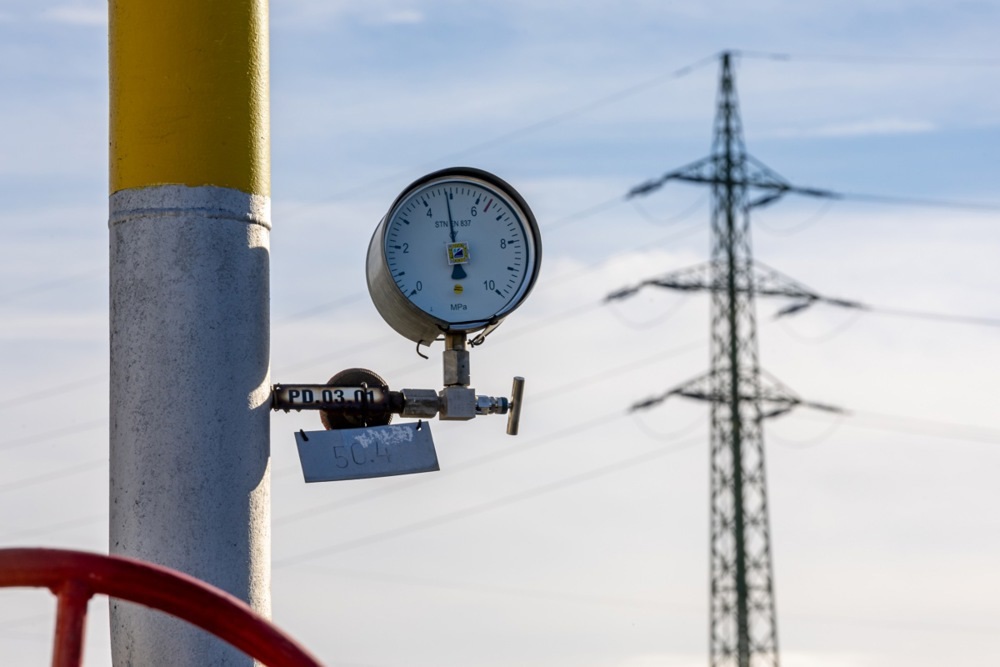
The Council of the European Union and the European Parliament, on the night of 3 December, agreed on provisions for a gradual ban on imports of Russian gas and preparations for a ban on oil.
Timelines and initial proposals
The Council's initial draft envisaged a prohibition on imports from 1 January 2026 with a two-year transition period: short-term contracts concluded before 17 June 2025 would remain in force until 17 June 2026, and long-term contracts until 1 January 2028. The European Parliament insisted on shortened deadlines, proposing to begin the phase-out on 1 January 2027.
Terms of the compromise
The agreement sets the following deadlines: short-term contracts concluded before 17 June 2025 remain valid until 25 April 2026 for liquefied natural gas (LNG) and until 17 June 2026 for pipeline gas. Long-term LNG contracts will remain in effect no later than 1 January 2027. For pipeline gas supplies, the ban will take effect in autumn 2027 — from 30 September provided storage-filling targets are met, but no later than 1 November.
Amendments to existing contracts are permitted only for clearly defined operational needs and must not lead to an increase in supply volumes.
Oil, exemptions and next steps
The European Commission agreed to prepare a legislative initiative in 2026 for a full ban on imports of Russian oil by the end of 2027. Countries that still import such oil are required to present national diversification plans to end supplies.
The agreement also includes a mechanism to temporarily suspend the ban in the event of an emergency threat to the energy security of one or more Member States, but such a suspension may be applied only under strict conditions and for a limited period.
To enter into force, the text must be approved by the European Parliament and the Council. A vote is scheduled for the second half of December.
This agreement is a major victory for all of Europe. We must put an end to dependence on Russian gas
– Lars Aagaard, Denmark's Minister for Climate, Energy and Utilities
- As of 2024, ten EU countries imported Russian natural gas, and three imported Russian oil.



