Tuesday, May 26, 2026
Today's Edition

EveryNews

Stories that matter, signal over noise

Business

"Eurotech" closes Arsen, Fresh, Soyuz and Kvartal: end of Lviv's 24-year-old retail network

The "Eurotech" group is ceasing operations of all its retail networks. Arsen, which survived two crises and a pandemic, could not withstand the third blow.

Tetiana Suchkova-Ladik

By Tetiana Suchkova-Ladik

May 13, 2026 · 1 min read
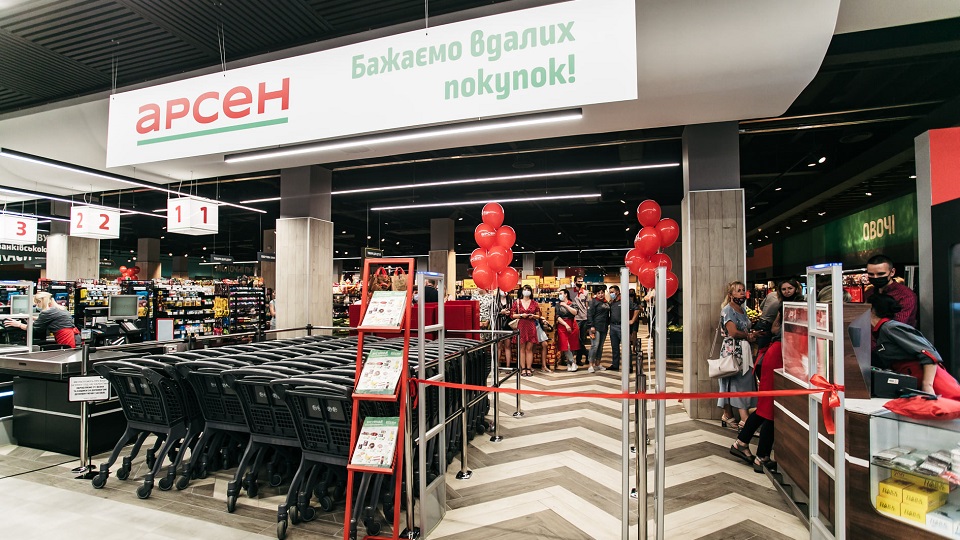
"Eurotech" closes Arsen, Fresh, Soyuz and Kvartal: end of Lviv's 24-year-old retail network
Фото: АРСЕН мережа супермаркетів / Facebook

The Lviv-based group "Eurotek" announced the closure of all four of its retail networks — supermarkets Arsen, Fresh, Soyuz, and Kvartal. For Arsen, this marks the end of 24 years of operations on the Ukrainian market.

The company has not published an official explanation, but the context is clear: the full-scale invasion has shrunk the consumer market in the Lviv region, logistics costs have risen, and competition from federal chains — ATB, Silpo, Novus — has only intensified. Regional players have found themselves in a structural trap: too small to get the best conditions from suppliers, and too inflexible to quickly reformat themselves.

Arsen opened in 2001 and became part of the everyday geography of Lviv residents — not just a store, but a landmark in the neighborhood. There are fewer and fewer such networks in Ukraine: since 2022, regional retail has suffered disproportionately greater losses than national giants.

The closure of "Eurotek" is not merely a business failure. It is a symptom of how the war reshapes not only the front line, but also the economic map of the rear: medium-sized businesses are being washed away, leaving either major players or small-scale trade.

How many people will lose their jobs and whether they will receive appropriate compensation remains unclear. This is the most pressing question now: if "Eurotek" is liquidated without settling its obligations to employees, the scale of the closure will take on a different dimension.

Related

Latest

Business

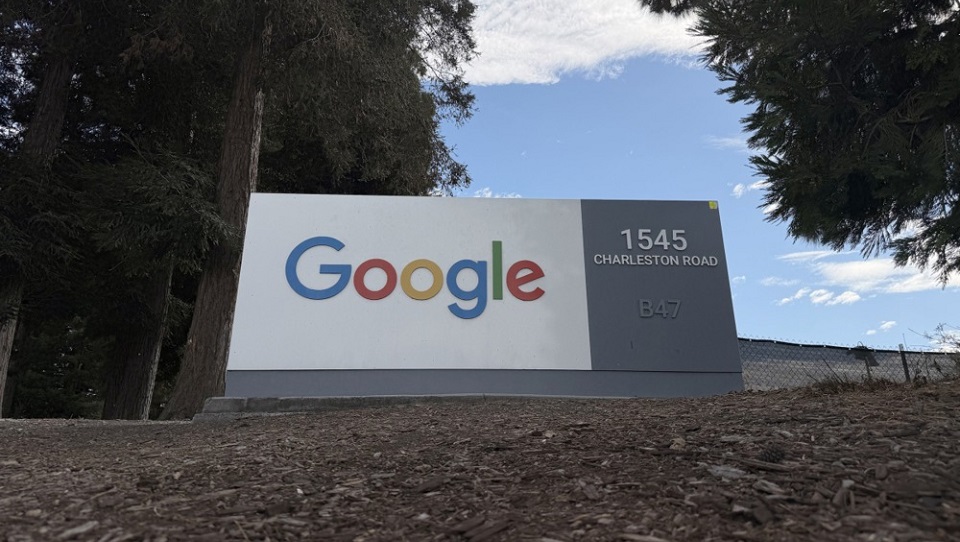
EU Against Google: Why the Latest Fine Could Change More Than Previous Ones

# European Regulators Target Google Again — This Time Over Digital Markets Act Violations. What's Behind the Accusations and Why It Matters Beyond the Corporation European regulators have renewed their scrutiny of Google, this time focusing on alleged violations of the Digital Markets Act. The charges underscore Brussels' increasingly aggressive stance on big tech monopolies and what officials say are anticompetitive practices. The accusations center on how Google leverages its dominance across multiple digital services — from search to advertising to mobile platforms — to disadvantage competitors. Regulators claim the company is using its market power in ways that stifle innovation and limit consumer choice. The case carries significance far beyond Google itself. It signals how the EU is attempting to enforce its landmark Digital Markets Act, legislation designed to curb the gatekeeping power of tech giants. A potential penalty could set precedent for how other large technology companies face similar scrutiny. For consumers and smaller tech firms, the outcome could reshape the digital landscape by creating more room for competition. For Google, fines and operational restrictions could fundamentally alter its business model in Europe, the world's most stringent regulatory market. The case also reflects a broader geopolitical divide, with the EU pursuing a regulatory approach that contrasts sharply with the lighter-touch oversight favored in the United States.

May 26, 2026