Food with ticket purchase: Ukrzaliznytsia adds menus to flagship trains — convenience for passengers and a chance for extra revenue
Coffee, hot meals and even books — Ukrzaliznytsia allows ordering snacks and full meals together with a ticket. We examine how it works and why it matters right now, as most routes remain unprofitable.

By Tetiana Suchkova-Ladik
March 20, 2026 · 2 min read
Briefly
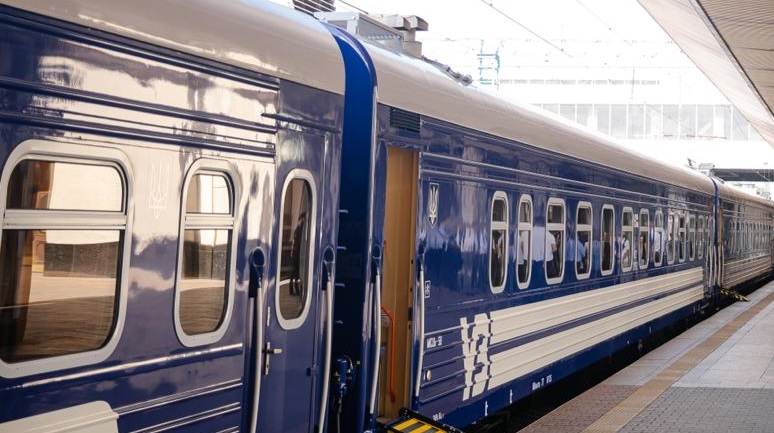
Ukrzaliznytsia has expanded the list of items that can be ordered when buying a ticket on eight flagship trains: now, along with a ticket, a passenger can order coffee, snacks and full meals that will be delivered directly to the compartment, the company's press service reported.
What's new on the menu
Among the new items are signature drip coffee (sold individually and in sets), branded bars named after the trains, as well as hot dishes: porridge with Parmesan, noodles with chicken and vegetables, soups and granola. For children there are smoothies, pastila (fruit paste) and chicken strips. Planned additions include treats for pets and books that can be ordered together with tea.
Quote
"The project's goal is to make journeys more comfortable and save passengers' time, which they now often spend in queues or searching for food outlets at the station"
— Press service of Ukrzaliznytsia
Why this matters
This is not just convenience: in the context of the carrier's unprofitability (according to LIGA.net, only 5–7% of passenger routes are profitable, while suburban routes are loss‑making) such services are a way to diversify revenue. For the passenger the implication is simple: less stress before departure and the option to receive ready service during the trip.
Trend of station commercialization
Ukrzaliznytsia's initiative fits into a broader trend: in 2025–2026 other services opened at stations — bookstores, cafeterias and shared spaces. This is social proof: transport hubs are being turned into service points where passengers spend less non‑essential time.
Routes of flagship trains
- No. 1/2 Kharkiv – Vorokhta «Yednist»
- No. 15/16 Kharkiv – Yasinia «Les Kurbas»
- No. 17/18 Kharkiv – Uzhhorod «Skovoroda»
- No. 79/80 Dnipro – Lviv «Sicheslav»
- No. 91/92 Kyiv – Lviv «Leopolis»
- No. 105/106 Kyiv – Odesa «Chornomorets»
- No. 7/8 Kyiv – Chernivtsi «Bukovyna»
- No. 95/96 Kyiv – Rakhiv «Hutsulshchyna»
What's next
The practical effect will depend on two factors: how well delivery into the carriages is organized and how much passengers actually use the new options. For Ukrzaliznytsia it is a chance to improve service and increase revenue; for society — less hassle during interregional trips, which is important for Ukraine's internal mobility.
Conclusion
This is a step toward modern service that combines practical benefits for the passenger with an opportunity for additional revenue for the carrier. The question is whether these small improvements will be turned into a systematic strategy that helps reduce dependence on loss‑making routes.



