From January 1, 2026: passport booklets get pricier — what each person will pay and why it matters
Issuance of ID cards, foreign passports and residence permits will become more expensive due to a price hike by the "Ukraina" printing plant. We explain who will feel the changes, how to avoid overpaying, and what budgetary rationale lies behind it.

By Tetiana Suchkova-Ladik
December 31, 2025 · 2 min read
In brief — why read
From January 1, 2026, issuance of internal and international passports, as well as residence permits, will become more expensive. The reason is an increase in the cost of document blanks at the manufacturer level; administrative services and the state fee remain at their previous levels. This is a small but real change for those who plan to apply for documents next year.
"The price increase is related to the fact that the 'Ukraine' printing plant changed the cost of blanks for certain biometric documents."
— State Migration Service
Who will pay more and by how much
ID card: up to 20 working days — UAH 618 (instead of UAH 558, +UAH 60); urgent (up to 7 working days) — UAH 988 (instead of UAH 928, +UAH 60).
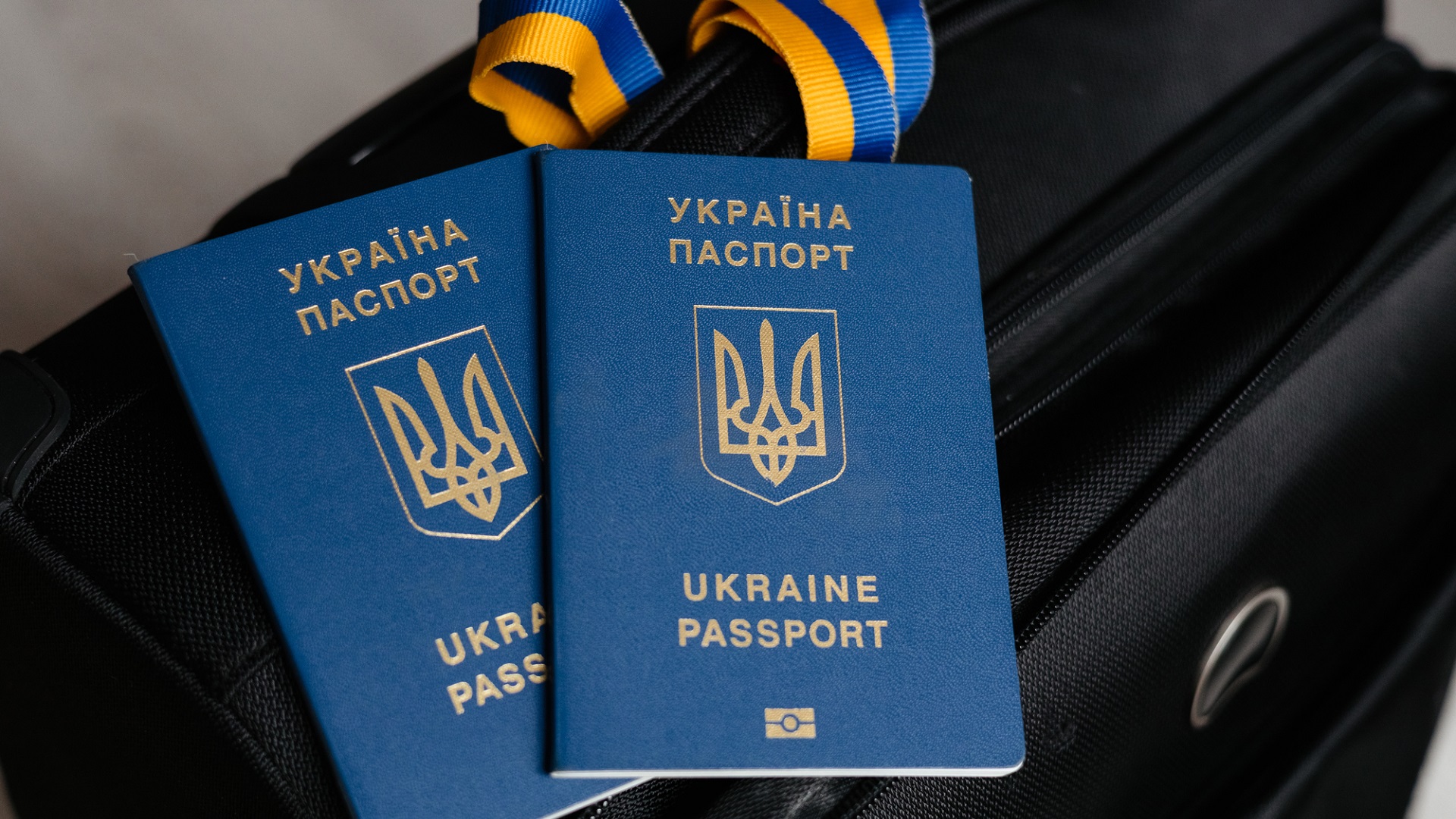
Passport for travel abroad: up to 20 working days — UAH 1,147 (instead of UAH 1,042, +UAH 105); urgent — UAH 1,787 (instead of UAH 1,682, +UAH 105).
Residence permits: permanent — UAH 1,235 (instead of UAH 1,175, +UAH 60); temporary — UAH 1,140 (instead of UAH 1,080, +UAH 60).
Who can avoid overpaying
Citizens who paid for administrative services and submitted applications by December 31 will receive documents at the old price. If payment was made before December 31 but the application has not yet been submitted — the applicant will have to pay the difference according to the tariff in force at the time of submission.
Why this matters — context
For an individual this may seem like a small amount. But on a national scale such steps point to the vulnerability of supply chains for state services: prices for blanks are set by the manufacturer, and if the state does not adjust budgetary mechanisms, the costs are passed on to citizens. It also serves as a reminder that "paper" costs affect mobility: in 2025 the Ukrainian passport ranked 33rd in the global visa-free index (144 destinations), so a more expensive passport for travel abroad adds another hurdle for travel and business.
What next — a question for authorities and citizens
The question is simple: who will absorb the additional costs — the state, the manufacturer, or the end user? The answer will depend on budgetary decisions and procurement policy. We advise citizens planning to apply to consider the new tariffs or submit their documents before the end of the year to lock in the old price. For analysts and politicians, this is a signal to review the funding model for critical state services.



