From January 1, buy Kyiv city electric train tickets in advance — how it will affect trips
Ukrzaliznytsia is shifting Kyiv City Express to a metro-style ticketing model: a few clicks instead of buying on the train. We explain why this is more than just convenience — and what it will mean for Kyiv during the war.

By Tetiana Suchkova-Ladik
December 29, 2025 · 2 min read
Briefly
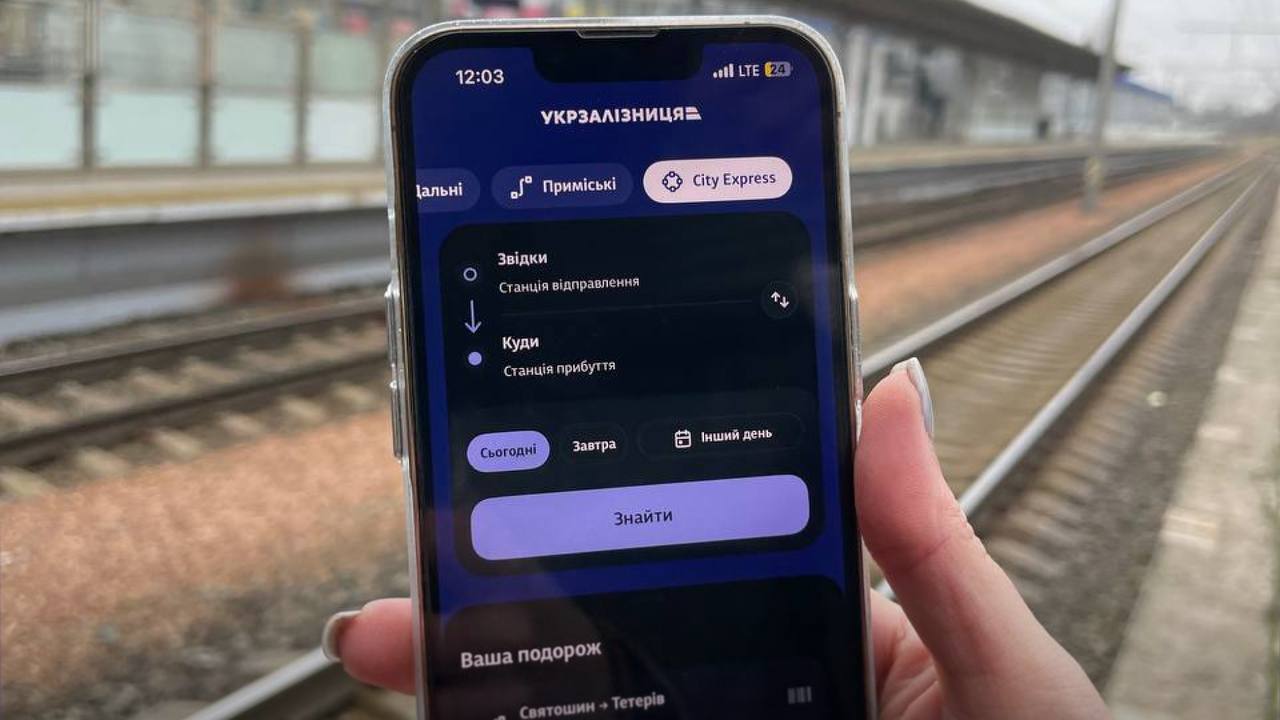
From January 1 tickets for the Kyiv city electric train will no longer be sold directly on board. Ukrzaliznytsia asks passengers to switch to advance purchase via mobile apps, terminals or ticket offices.
What exactly is changing
The main news — cashiers on the carriages will stop selling tickets. Instead, access control at stations will be strengthened, and the cashiers on trains will perform the role of inspectors. Tickets can be purchased via the Ukrzaliznytsia app, "Kyiv.Digital", validators, terminals and at ticket offices with cash.
"This is a gradual transition to a model that is clear and familiar for the city — like the metro, tram or bus. We understand that the habit of buying a ticket on the train was convenient, but now we ask you to gradually switch to buying in advance"
— Ukrzaliznytsia, Telegram
Why this is being done — simple logic
In its statement, Ukrzaliznytsia lists several reasons: to increase revenue without changing the fare, reduce cash circulation and obtain more detailed analytics of passenger traffic. This is a classic step toward digitizing the service, which makes the route more predictable and resilient from a management point of view.
"This ticket-purchasing process for the Kyiv ring electric train is intended to increase revenue without changing the fare, digitize payments (less cash), which in turn will allow us to have more complete analytics on passenger traffic"
— Ukrzaliznytsia
What this means for passengers
In short: a few clicks instead of buying while en route. Advantages — fewer queues on platforms, faster access to trains, more accurate information about crowding. The downside — it requires getting used to and basic app skills or access to ticket offices/terminals.
Context and significance for the city
Since the start of the full-scale war, the Kyiv city electric train became part of Kyiv City Express and has gone through a number of changes: from platform restorations to rolling stock upgrades. The shift to electronic sales is a logical stage of modernization that improves operational management of transport in challenging times.
Transport analysts note that such digitization allows for quick responses to changes in demand and for planning resources under crisis conditions. For the city, this is a tool to increase efficiency without additional pressure on fares.
What's next
Now the task lies with passengers and operators: passengers — to adapt to the new purchase model; operators — to ensure simple and accessible payment methods at all key stations. This is not a triumphant flourish; it is a step toward a more reliable and transparent transport system that will operate even under heightened challenges.
Question for the future: can rapid digitization make Kyiv City Express not just more convenient, but also a more resilient resource for the city during the recovery and development of infrastructure?



