From Thailand to the front lines: Bloomberg — Chinese drones re-exported to Russia. Why this is dangerous for Ukraine
While attention is riveted on the headlines, trade tables reveal a different reality. Bloomberg has uncovered a large-scale surge in drone exports from Thailand to Russia — we examine how this works and what the implications are for the security situation in Ukraine.

By Tetiana Suchkova-Ladik
February 20, 2026 · 2 min read
What happened
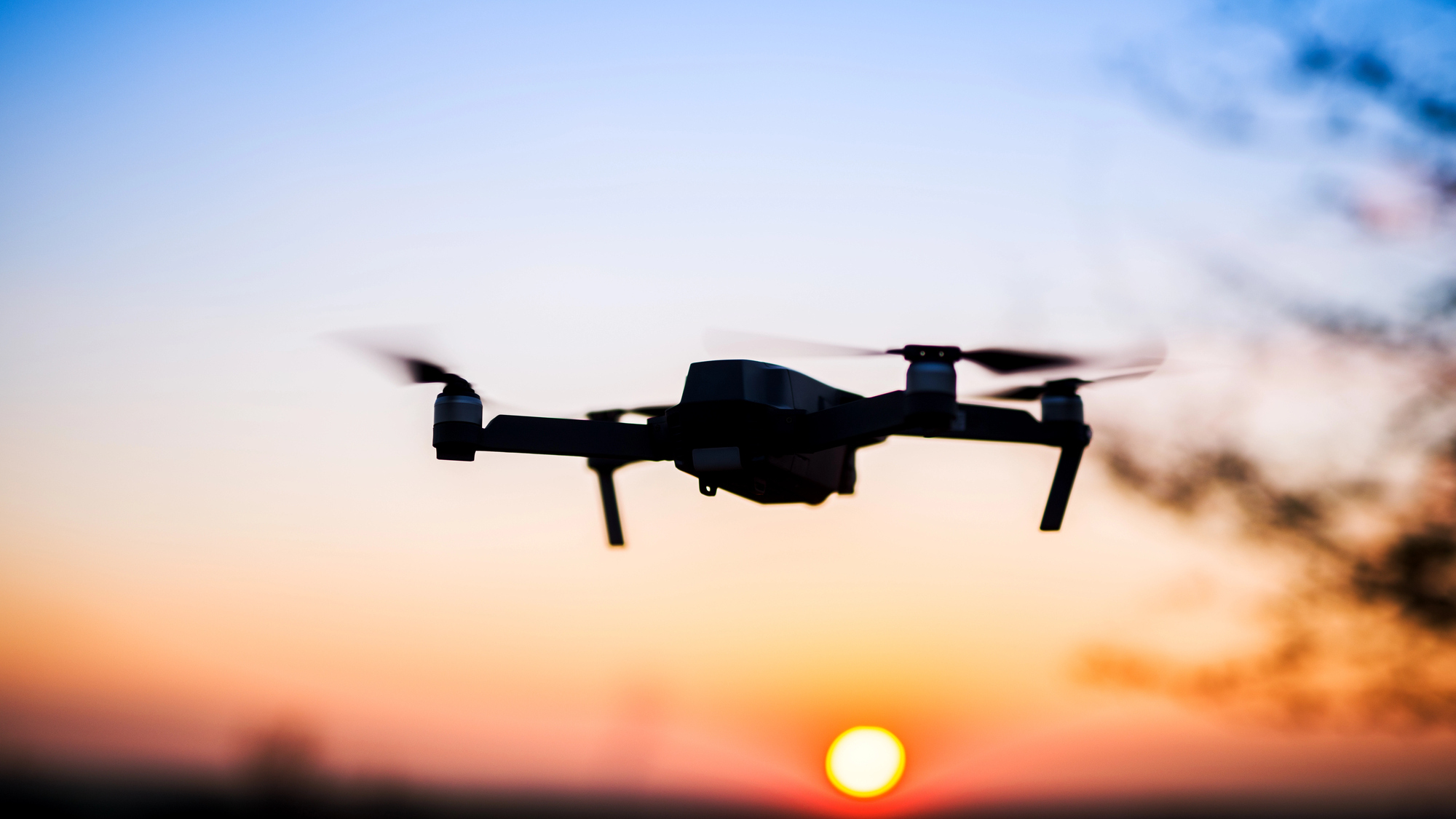
Bloomberg published an investigation which, based on trade data, asserts that over the first 11 months of 2025 Russia imported drones from Thailand worth $125 million. That is about 88% of Thailand's total UAV exports and eight times more than in 2024.
How the scheme works
The agency points to several elements indicating re‑export of Chinese products through Thai companies. Among them is the firm Skyhub Technologies, which, according to registration documents, changed its business profile, as well as a company previously known as China Thai (later — Lanto Global Logistics). Trade data shows deliveries of hundreds of units of a model that carries the same code as the Autel EVO Max 4T — roughly 976 units at about $9,000 each.
Why it matters for Ukraine
First, even civilian or “dual‑use” drones significantly enhance reconnaissance, fire‑adjustment and massed attacks. Second, if supplies are taking place around sanctions, this means sanctions pressure and control of technological channels remain vulnerable. Third, the intention of the Russian company Aero HIT to localize production of the EVO Max 4T, reported by Bloomberg, indicates a desire not only to import but to replicate critical capabilities inside the Russian Federation.
What manufacturers and authorities say
“Autel did not cooperate with Aero HIT and was not aware of this proposal. Our drones are intended for civilian use and are equipped with a geofencing system that prevents flights in the war zone between Russia and Ukraine.”
— Autel Robotics, official statement
“The export of drones from Thailand takes place within the legal framework… We are ready to act, but first a law must be passed.”
— Phantong Loikulnanta, Director‑General of Thailand’s Customs Department
The US State Department declined to comment on specific shipments via Thailand, instead reiterating warnings about China’s role in supplying dual‑use components. Reuters and The Telegraph add context: across different supply chains that use third countries, not only drones but other technologies can pass through and help Russia evade sanctions.
How it works in practice
Analysis of trade data shows a typical set of circumvention mechanisms: use of little‑known intermediary firms, changing company profiles, rewriting commodity codes and regrouping shipments through third countries. Often a legal declaration does not require a detailed end‑user designation — and that creates a window for abuse.
What partners and Ukraine can do
An effective response must be comprehensive: strengthening export controls on dual‑use components, pressuring transit jurisdictions, targeted sanctions against intermediaries and intelligence on supply chains. At the same time, technical measures are important — improving geofencing systems, marking equipment and tracking batches at the manufacturer level.
Conclusion
Bloomberg recorded a clear signal: part of the drone supply chain ran through Thailand, and that opened the way to strengthening Russia’s capabilities. For Ukraine this is not just statistics — it is a matter of battlefield security and the effectiveness of sanctions. Now the ball is in partners’ courts: will international institutions and individual countries turn analytical findings into policies that will shut down those channels?
Sources: Bloomberg; statements from Autel Robotics; interviews and data from Thailand’s Customs Department; Reuters; The Telegraph.



