Behind closed doors: Armenia rejects Russia's participation in TRIPP
Yerevan's decisive response has thwarted the Kremlin's attempt to intervene in the strategic TRIPP corridor — a sign of a shifting balance of power in the region, Western analysts say. Why this matters right now and what it means for the security of Europe and our partners.

By Tetiana Suchkova-Ladik
December 16, 2025 · 2 min read
More is decided behind closed doors than in press releases. In Yerevan they gave a clear response: Russia's participation in the international TRIPP project is not up for discussion — and this is no longer just a diplomatic gesture but a signal to the whole region.
What they said in Yerevan
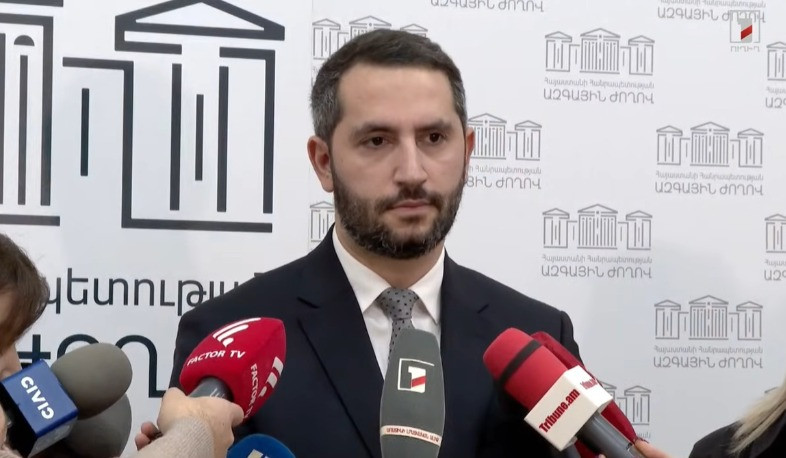
Deputy Speaker of Parliament Ruben Rubinyan responded directly to Moscow's proposal: Armenia is not conducting any negotiations about Russia's potential participation in the "Trump Route." He stressed that no such discussions have taken place, and underlined the country's position before the cameras and the international community.
"Very happy for them"
– Ruben Rubinyan, Deputy Speaker of the Parliament of Armenia
Earlier that day, Russian Foreign Ministry representative Mikhail Kalugin said that Moscow is "open to discussion" of participation in TRIPP and that there are "enough grounds for this." But in Yerevan such "openness" was met with refusal — and that changes the rules of the game.
What TRIPP is and what it's for
TRIPP (The Trump Route for International Peace and Prosperity) is an international transport and logistics project initiated by the United States to create a new transit corridor through the South Caucasus. The aim is to integrate logistics for Europe, the South Caucasus and Central Asia, restore trade links and consolidate peace after the declaration of mutual recognition in August 2025.
The project has already produced concrete steps: in early November Armenia, for the first time since 1991, resumed transit rail shipments through Azerbaijan. For Western analysts this is a historic moment: borders are opening for trade, not for Kremlin influence.
What will happen next
Western analysts and insiders call Yerevan's reaction a turning point. The world is intensely debating this position: for Europe and for us it is confirmation — transit corridors must serve peace and prosperity, not the political monopoly of a single center of influence.
This is a historic moment that forces a reassessment of the Kremlin's ability to dictate terms in the region. Next comes action: can TRIPP develop without Russian participation, and how will Moscow and other actors respond? Our partners are watching closely — and that means one thing: defending the sovereignty of transport corridors will be not only Yerevan's task but that of the wider international community.
Insiders warn: political and economic tests lie ahead, but Armenia's very resolve has already changed the rules. For Ukraine and its allies this is another signal: the region is capable of choosing a future independent of Kremlin ambitions.



