Zaporizhzhia restores five-story apartment building after strike — 96 residents return home
A building damaged during heavy shelling in October 2022 has been rebuilt from scratch: 59 apartments were renovated, work began in November 2023, and the financing combines state tenders and European aid.

By Tetiana Suchkova-Ladik
December 30, 2025 · 2 min read
What happened
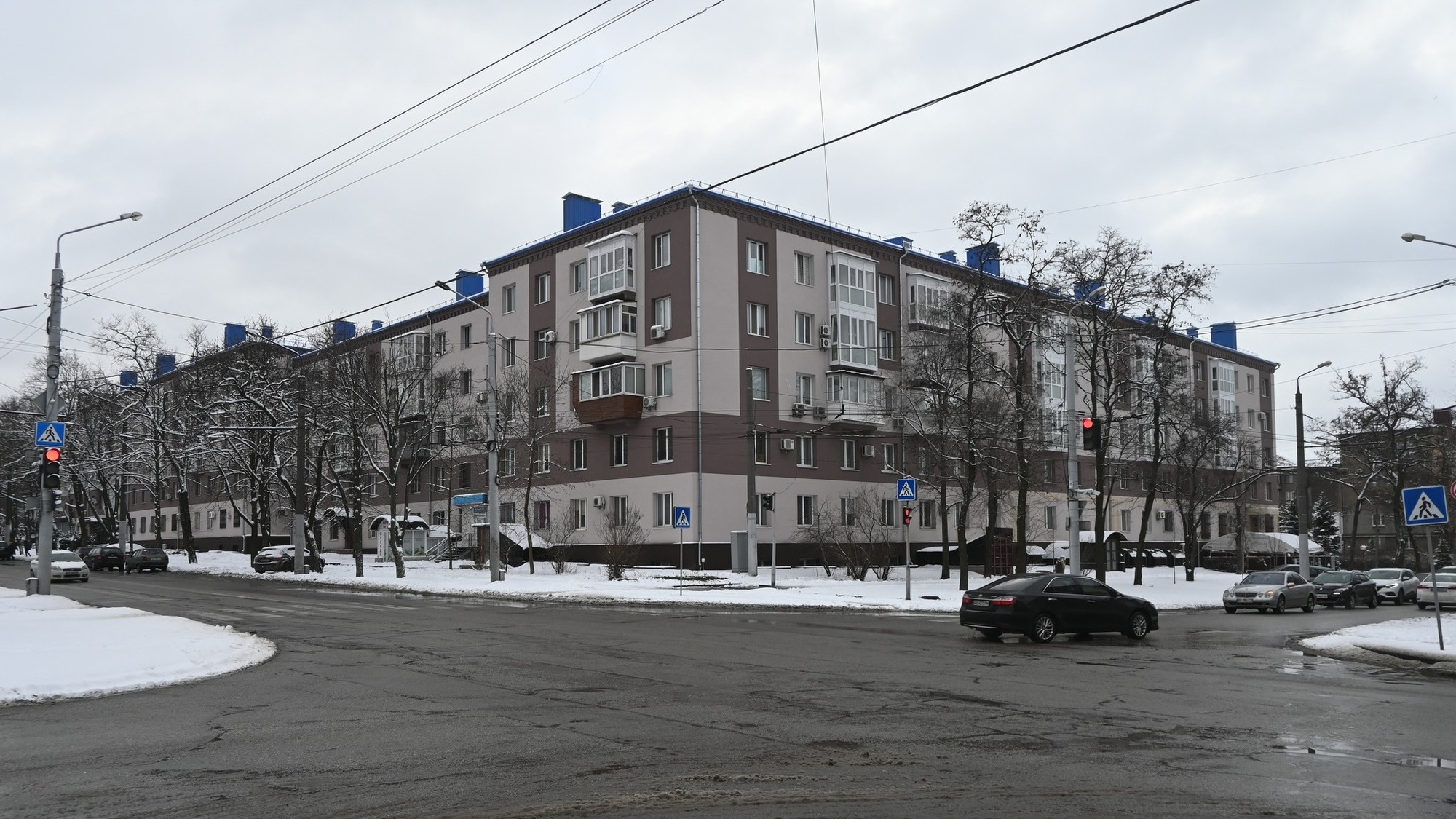
In Zaporizhzhia, the reconstruction of a five-story residential building at Nezalezhnoi Ukrainy St., 80 / Yakova Novytskoho St., 3 has been completed. The building was hit in October 2022 by a heavy Russian strike. At that time one entrance (stairwell) was completely destroyed, about 20 apartments were gutted, and windows were blown out in all eight sections. The building has 150 apartments in total.
How it was rebuilt
Work began in November 2023. Contractors restored the destroyed sections of the second and third entrances, installed an insulated roof, and laid main utility networks for water supply, sewage and heating. They also completed interior work in the apartments and improvements to the building’s grounds.
“Work was carried out with inclusivity and accessibility in mind. In total, builders restored from scratch and repaired 59 apartments”
— Service for Restoration and Infrastructure Development in Zaporizhzhia Oblast
Finances and the contractor
According to the Prozorro portal, in August 2023 a tender was announced for major repairs including restoration of load-bearing structures after munitions strikes for the amount of UAH 214.2 million. The winner was the Dnipro-based company «Consul», and the contract was signed on 18 October 2023.
Context and international support
This local story fits into the broader reconstruction context: the EU, together with Denmark, Germany, France and Lithuania, launched the EU4Reconstruction initiative for €37 million, and the European Investment Bank allocated €100 million for repairs of schools, hospitals and housing and communal facilities. Such coordination of financing and technical assistance strengthens the capacity to rebuild homes faster and more transparently.
Who this benefits
Bringing the building back into service will allow 96 residents, including 12 children, to return to their homes. For families who lost housing due to the shelling, this is not only a roof over their heads but also the restoration of routines, access to schools and neighborhood ties — an important element of social resilience during the war.
Why this matters
The reconstruction of a single five-story building is not only a local success: it is proof that, with a combination of state procedures (tenders on Prozorro), professional contractors and international support, reconstruction works at the community level. Such a pace and quality of work is a strong argument in discussions with partners about large-scale funding and technical assistance.
Now the question for partners and local authorities is whether these practices can be scaled so that hundreds of such rebuilt homes become the norm, not isolated cases?



