Deputy general director of Ukroboronprom suspected of embezzling UAH 32 million — risks to confidence in the defense sector
The National Anti-Corruption Bureau of Ukraine (NABU) and the Specialized Anti-Corruption Prosecutor's Office (SAP) uncovered a scheme from 2014–2019 involving intermediaries in the United Kingdom and the Czech Republic. We examine how the scheme operated, who is under suspicion, and why this matters for national security and reforms in the defense industry.

By Tetiana Suchkova-Ladik
March 10, 2026 · 2 min read
The essence of the suspicion
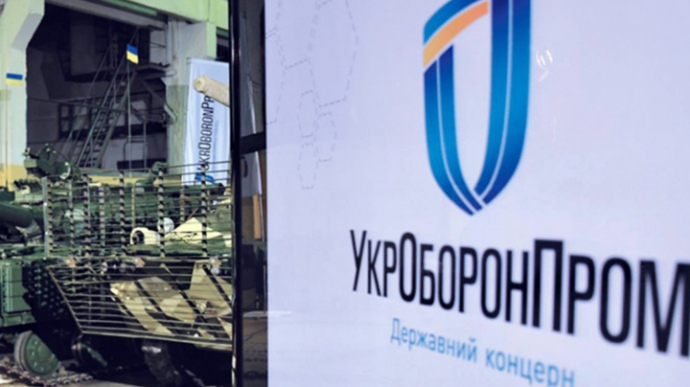
The National Anti-Corruption Bureau and the Specialized Anti-Corruption Prosecutor's Office reported uncovering a scheme to misappropriate funds of the state concern "Ukroboronprom" in 2014–2019. In total this concerns approximately UAH 32 million, transferred through a network of foreign and fictitious companies — suspicions were announced to three individuals, among them a current deputy general director of the concern.
How the scheme worked
The investigation established a typical mechanism: the special exporter enterprise artificially engaged foreign intermediaries — companies registered in the United Kingdom and the Czech Republic. These firms effectively performed no real services: the work was carried out by employees of the state enterprise, while the money went to the accounts of the intermediaries and then to the accounts of fictitious companies for distribution among the scheme participants.
According to the investigation, more than $560,000 (approximately UAH 13.3 million) and nearly €670,000 (approximately UAH 19.3 million) were transferred through the intermediaries. Separate prepared documents envisaged additional payments — about $172,000 and nearly €500,000 — but these were not implemented due to active investigative actions by NABU and the SAPO.
"Three individuals received suspicions, among them a current deputy general director of the concern."
— NABU press service
Who is suspected
The case involves three individuals: a former director of the state enterprise who currently serves as deputy general director of JSC "Ukrainian Defense Industry"; a former adviser to the director of the special exporting enterprise; and the beneficiary of a private company. The actions have been classified under articles on embezzlement, money laundering and official forgery.
Context: not an isolated case
This episode correlates with other criminal proceedings against officials in the defense sector. In July 2025 NABU and the SAPO referred to court the case of former general director of Ukrspecexport Dmytro Perehudov (accused of misappropriating and legalizing more than $23 million), and earlier an international search was announced for a former head of Ukrinmash on charges of embezzling nearly UAH 3.5 million. Experts note that the multiplication of such episodes undermines partners' trust and complicates international contracts.
Why it matters and what the consequences are
This case is important not only because of the figures. It reveals systemic weaknesses in the supply and control chain: when state resources pass through a series of intermediaries without real delivery of services, the risk of losses and money laundering increases. For citizens it is a question of the efficiency of defense spending; for partners it is a question of transparency and Ukraine's readiness to carry out reforms in public procurement and corporate governance of defense enterprises.
What next
The pretrial investigation continues — investigators are checking other possible episodes of this group's activity. Important steps that could reduce the risk of recurrence include strengthening internal audit within the concern, digitizing contracts and payments, and promptly bringing individuals to account in existing cases. For now the key question for society and authorities is whether these criminal investigations will turn into a systemic purge and real institutional change.



