The "Smoly" plant has changed hands: what the sale means for Kamyanske and why it matters to Ukraine
The State Property Fund sold 100% of the shares of the "Smoly" plant to Kyiv-based LLC Mashbudsystem. We examine how the transaction will affect the region, critical infrastructure and employees.

By Tetiana Suchkova-Ladik
March 11, 2026 · 2 min read
Briefly about the deal
The State Property Fund held a Dutch auction for the sale of 100% of the shares of JSC «Smoly» (Kamyanske, Dnipropetrovsk Oblast). The winner of the auction, published on Prozorro.Sales, was Kyiv-based LLC «Mashbudsystem» with an offer of 37.54 million UAH. The starting price of the auction was 72.03 million UAH.
What is being sold
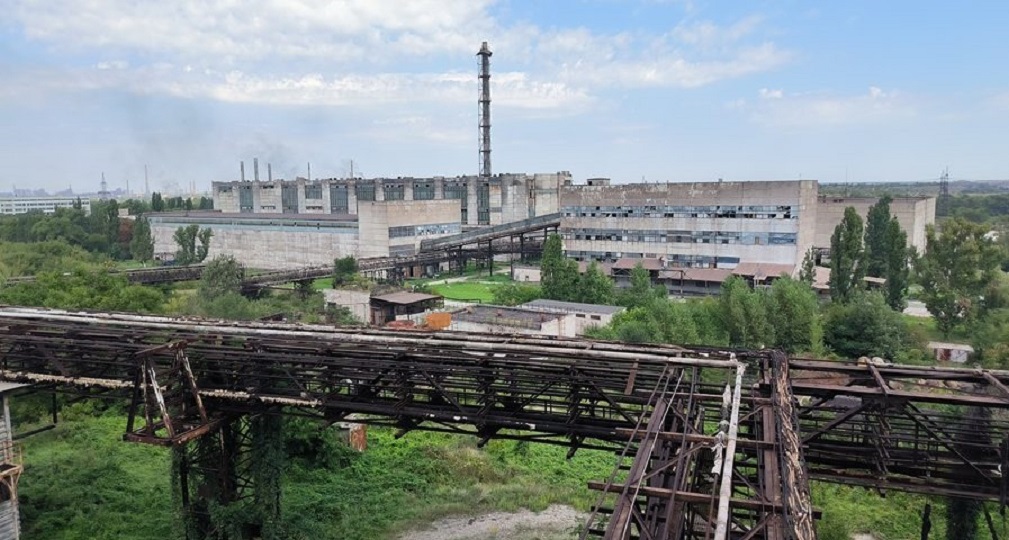
«Smoly» produces plastics in primary forms, in particular ion-exchange resins — materials used for water purification at nuclear and thermal power plants, in hydrometallurgy, pharmaceuticals and the food industry. The asset includes 104 real estate units (52,518.64 sq. m), 41 land plots (27.3 ha), 41 vehicles and other movable property. The JSC's authorized capital exceeds 144 million UAH.
“The auction for the sale of 100% of the shares of JSC ‘Smoly’ has concluded. The winner of the auction is LLC ‘Mashbudsystem’,”
— Press service of the State Property Fund
Sale conditions and safeguards
One of the key conditions of the privatization is the repayment of wage arrears and debts to the budget within six months after the transfer of ownership. Also, the new owner may not dismiss the company's employees during the first six months. These restrictions are a standard mechanism to protect the interests of workers and the community during the transfer of strategic assets into private hands.
Who bought it and what it means
LLC «Mashbudsystem» was registered in Kyiv in May 2019; its main activity is wholesale trade of machinery and equipment for the mining industry and construction. The founder is Andriy Novosad. The buyer is acquiring not only production capacities but also a significant land and infrastructure base, which provides potential for modernization or diversification of production.
Context and risks
The Fund put «Smoly» up for sale back in July 2023 with a starting price of 190.3 million UAH — that auction did not take place due to a lack of participants. A partial price reduction and the use of the Dutch format made it possible to find a buyer, but also raised questions about the adequacy of investments in modernization and the preservation of production. Analysts note that the low purchase price places expectations on the buyer for rapid investments and fulfillment of social obligations.
What’s next: possible scenarios
In the best-case scenario the new owner will invest in equipment upgrades, ensure stable wage payments and develop production of critical components for energy and industry. In a realistic scenario — the transformation process will take time, and oversight by the state and the community will remain key to ensuring the privatization terms are met. The example of the recent successful privatization of the Kolomyia Agricultural Machinery Plant (February 2026) demonstrates that sales of regional assets can kick-start the local economy if followed by investments.
Conclusion
The sale of «Smoly» is not just another transaction on Prozorro. It is a test for the privatization model during the war: whether new owners will be able to turn acquired assets into jobs, technological capacity and contributions to critical infrastructure. The answer depends on monitoring compliance with the deal's conditions and the willingness to invest in modernization — and it is an issue that concerns not only Kamyanske but the overall strategy for industrial recovery in Ukraine.



