Sunflower Oil Processing Plants Stop Operations — Impact Already Visible in Oil Exports
When raw materials are more expensive than the final product, it makes more sense to shut down the production line than to start it up. Ukrainian oil processing enterprises have reached exactly this logic — and the market is already feeling the effects.

By Tetiana Suchkova-Ladik
May 20, 2026 · 2 min read
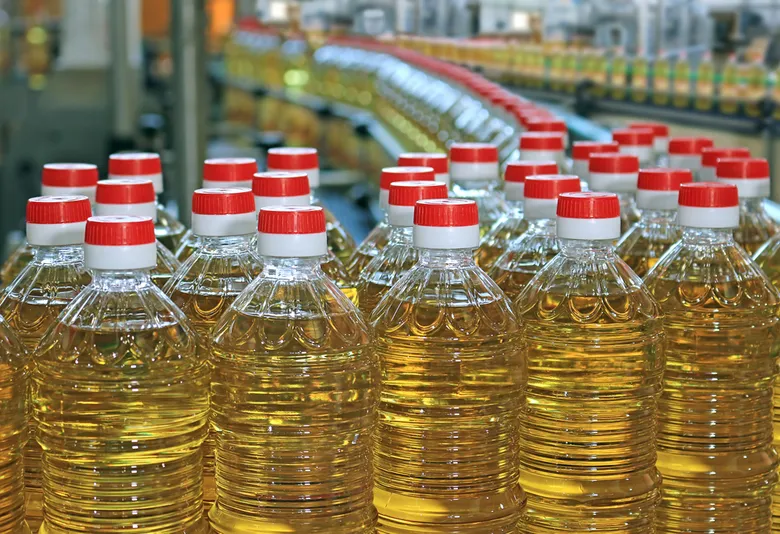
Sergiy Repetskyi, partner of Swiss brokerage company Sunstone Brokers, described the situation concisely: at sunflower prices of 33,000–34,000 UAH per ton, processing margins simply do not exist. The plants that are still operating do so using raw material stocks formed in March-April. Taking new batches at such prices is unprofitable.
The gap between raw materials and oil
The problem is not that sunflower prices suddenly surged — but rather that sunflower prices rose faster than prices for the finished product. According to Spike Brokers data, the sunflower indicative price rose to $709 per ton (CPT, processing), while sunflower oil did not respond to such dynamics. The difference between raw material value and product value — that is the margin that disappeared.
The consequence is massive reorientation. Most processing plants switched to soy and rapeseed, where profitability remained. Domestic prices for crude sunflower oil jumped to 58,000–60,000 UAH per ton ($1,160–1,200/t) on FCA-plant terms, while just a few months ago the picture was fundamentally different.
What this means for the market
A shortage of sunflower oil within the country is already a fact recorded by APK-Inform. But there is also an external dimension: according to Forbes Ukraine, in August 2025, sunflower oil exports fell to a three-year low. The 2024/2025 season turned out to be the most difficult for sunflower processing in recent years.
"In Ukraine, at the end of the 2024–2025 marketing year, there is a deficit in sunflower oil supply caused by limited sunflower supply and the transition of most plants to processing soy and rapeseed."
APK-Inform
In parallel, another story is unfolding — the rapeseed story. Thanks to the export duty on raw rapeseed, domestic processing in the 2025/26 marketing year increased 2.6 times, and rapeseed oil exports, according to UKAB forecast, will increase 2.7 times — to 576 thousand tons. Plants are not idle — they have simply switched focus.
Structural shift, not seasonal pause
An important nuance: Ukraine traditionally processed all sunflower domestically — this was the main competitive rule of the industry. Now the same processing capacity serves other crops. The infrastructure has not disappeared — its content has changed.
- Sunflower oil becomes more expensive due to shortage, but this has not yet created new incentives to process sunflower — the raw material price is not falling either.
- Rapeseed received structural protection through the duty, and processors have already incorporated this signal into their plans.
- Soy occupies an intermediate position — both processed and exported depending on market conditions.
If in the new 2025/26 season the sunflower price does not drop back to levels where processing becomes profitable again, Ukraine may enter the next year with chronically reduced sunflower oil production — and lose part of the markets that have already begun seeking alternative suppliers, including India, which actively purchased Ukrainian oil this season.



