Tuesday, May 26, 2026
Today's Edition

EveryNews

Stories that matter, signal over noise

Business

Zelensky and Erdoğan discussed Turkey's role in gas supplies

The Turkish energy minister said that during the November meeting the issue of Ankara’s assistance with supplying gas to Ukraine was raised. BOTAŞ and Naftogaz are working on mechanisms, and Ukraine has large underground storage facilities.

Tetiana Suchkova-Ladik

By Tetiana Suchkova-Ladik

December 4, 2025 · 1 min read
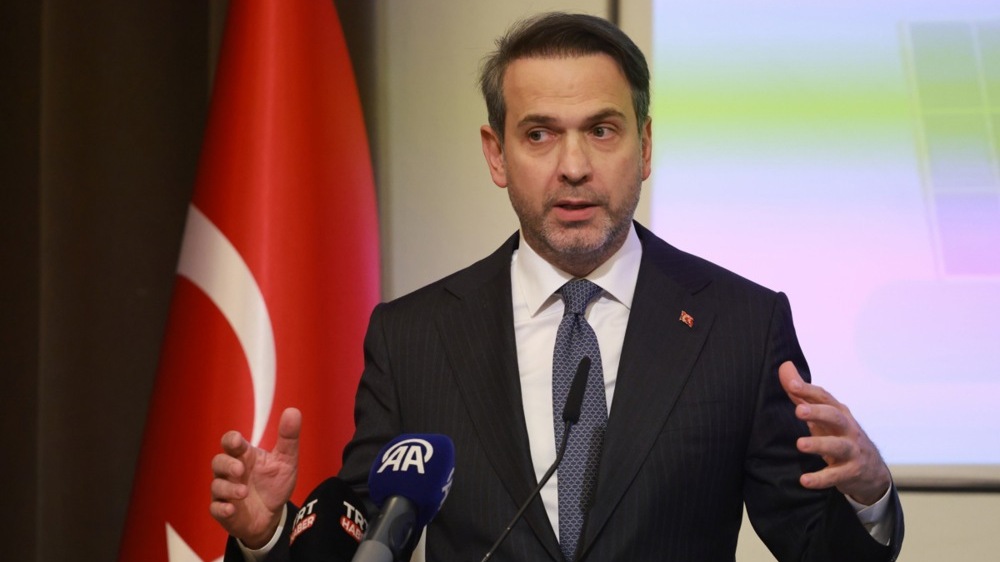
Zelensky and Erdoğan discussed Turkey's role in gas supplies

Energy Minister Alparslan Bayraktar said that during President Volodymyr Zelensky's meeting with the Turkish leader in November, the issue of Turkey's support in supplying gas to Ukraine was raised.

Discussion about supplies

The issue we discussed with Zelensky in the room was, of course, that they asked us to help them with supplying gas to Ukraine

– Alparslan Bayraktar, Turkey's Energy Minister

According to Bayraktar, Ukraine has a similar agreement with Greece.

The minister added that the state energy company BOTAŞ, together with Naftogaz, are working on possible ways in which Ankara could help Kyiv with supplies.

He also pointed to the significant capacity of underground storage facilities in Ukraine, which allow energy supplies imported at lower prices in the summer to be stockpiled for use in the cold season.

Plans with Greece

  • Zelensky visited Turkey on November 19.
  • On November 16, the president said that gas supplies from Greece to Ukraine are due to begin in January 2026.
  • Ukraine and Greece signed an agreement between DEPA Trading and Naftogaz on the supply of American liquefied natural gas from December 2025 to March 2026.


Related

Latest

Business

EU Against Google: Why the Latest Fine Could Change More Than Previous Ones

# European Regulators Target Google Again — This Time Over Digital Markets Act Violations. What's Behind the Accusations and Why It Matters Beyond the Corporation European regulators have renewed their scrutiny of Google, this time focusing on alleged violations of the Digital Markets Act. The charges underscore Brussels' increasingly aggressive stance on big tech monopolies and what officials say are anticompetitive practices. The accusations center on how Google leverages its dominance across multiple digital services — from search to advertising to mobile platforms — to disadvantage competitors. Regulators claim the company is using its market power in ways that stifle innovation and limit consumer choice. The case carries significance far beyond Google itself. It signals how the EU is attempting to enforce its landmark Digital Markets Act, legislation designed to curb the gatekeeping power of tech giants. A potential penalty could set precedent for how other large technology companies face similar scrutiny. For consumers and smaller tech firms, the outcome could reshape the digital landscape by creating more room for competition. For Google, fines and operational restrictions could fundamentally alter its business model in Europe, the world's most stringent regulatory market. The case also reflects a broader geopolitical divide, with the EU pursuing a regulatory approach that contrasts sharply with the lighter-touch oversight favored in the United States.

May 26, 2026

