Zelensky appoints Chrystia Freeland as economic development adviser — a signal for investors and for defense resilience
Decree No. 15/2026: Kyiv invites a Canadian female politician with ten years of ministerial experience to accelerate investment, drive economic transformation, and bolster resilience during the war. We explain why this is needed now.

By Tetiana Suchkova-Ladik
January 5, 2026 · 2 min read
What happened
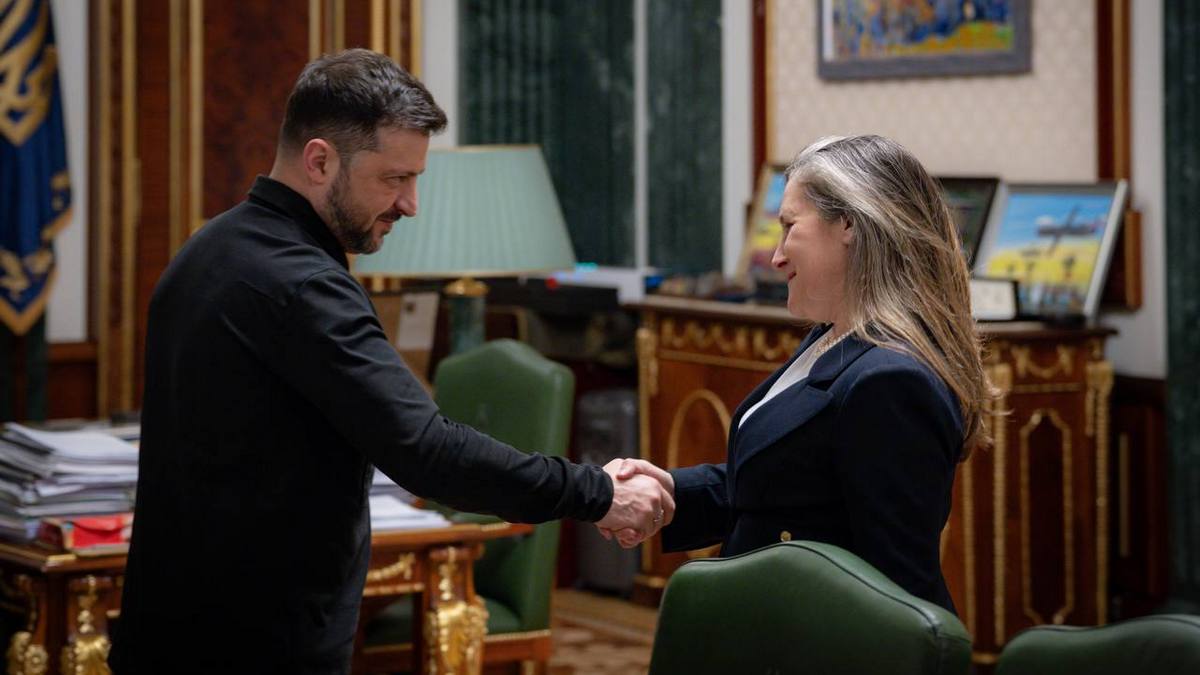
On January 5, President Volodymyr Zelenskyy signed Decree No. 15/2026, appointing Chrystia Freeland as a non-staff adviser on economic development. Freeland held various ministerial positions in the Government of Canada during 2015–2025 and is known for her work on attracting investment and economic reforms.
Why this matters
The appointment is not only about an individual. It is a signaling mechanism: the government is showing international investors and donor circles that economic recovery and strengthening domestic resilience are priorities. The conditions in which Ukraine operates make two components key — rapid mobilization of capital and the synchronization of economic policy with defense needs.
"Chrystia is professionally versed in precisely these issues and has considerable experience in attracting investment and carrying out economic transformations. Right now Ukraine needs to increase internal resilience — to enable Ukraine's recovery if diplomacy works as quickly as possible, and to strengthen our defense if, due to partners' delays, we have to work longer to bring the war to an end"
— Volodymyr Zelenskyy, President of Ukraine
What investors and citizens can expect
Analysts point to several practical consequences of this move: strengthened coordination with international financial institutions; more active engagement with private investors and the reconstruction fund; acceleration of reforms that increase transparency and protect investors' rights. For citizens this potentially means more jobs and faster restoration of critical infrastructure, if these signals turn into money and projects.
Risks and challenges
An asserted reputation alone does not guarantee results. The main question is whether Freeland's team will receive levers of influence: access to budgetary decisions, public procurement tools, and coordination with the defense industry. It is also important that the appointment does not remain merely a diplomatic statement but is accompanied by concrete plans and implementation timelines.
What’s next
We expect a public outline of the adviser's powers and the first steps in communication with investors and international partners. If these steps are systemic and transparent, the appointment could become an important tool to accelerate recovery. Whether it will be possible to convert international authority into real investments is the main test for this role.



