Grain trader from Zdolbunov bought abandoned alcohol plant on 9 hectares — for the price of a one-bedroom apartment in Stryi
The Hnizdychiv spirits factory has been idle since 2010, has creditor debts, and occupies eight buildings on nine hectares. Rivne-based agroholdng Tradex Agri, which has already converted a cement plant into a grain elevator, purchased it for 3.7 million hryvnias — less than the cost of a new truck.

By Tetiana Suchkova-Ladik
May 6, 2026 · 2 min read
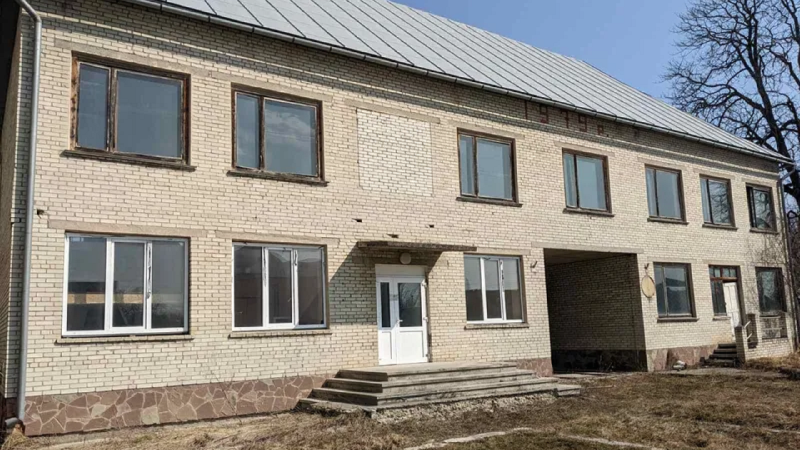
On May 6, the State Property Fund sold the sole property complex of the State Enterprise "Hnizditchivsky State Alcohol Plant" in the Stryy District of Lviv Region. The auction winner on the Prozorro.Prodazhi platform was LLC "Tradex Agri" from Zdolbuniv in Rivne Region — for 3.7 million hryvnias.
What was sold
The plant in the village of Hnizditchiv, Konovaltsya Street, 4, has not operated since 2010 — that is, for 15 years. Eight real estate objects on a land plot of 9 hectares were put up for sale. The starting price was 3.26 million hryvnias, the final price was 3.7 million hryvnias. For comparison: the average price of a one-bedroom apartment in neighboring Stryy is about 1–1.5 million hryvnias; that is, the state sold an industrial site of nine hectares for the price of two or three such apartments.
The second bidder — Lviv-based ADR-TRANS-GROUP — offered 300,000 hryvnias less and came away empty-handed.
Who bought it
"Tradex Agri" is a grain trading company registered in December 2016, headed by Volodymyr Metkyi. According to the Tradex Agri Group profile on Elevatorist, the company manages a land bank of over 8,100 hectares and trades in grain and oilseeds in almost 10 countries worldwide.
The company already has experience converting industrial ruins: in 2017, they purchased a plot of the former cement plant in Zdolbuniv and built a 30,000-ton elevator there, integrating old concrete silos into the new infrastructure. This very experience makes the purchase of the alcohol plant similar to a logical expansion of storage capacity — rather than real estate speculation.
Why this is not ordinary privatization
The Hnizditchivsky plant is one of several dozen state alcohol plants included by the government in the list of small privatization objects. Most of them have not operated for years, accumulating creditor debts and requiring funds for maintenance. According to Zaxid.net, as of the end of 2024, the enterprise's creditor debt remained significant.
"We are creating a company that is called to bring good to people, creating anew and transforming ruins into something that cannot be ignored"
— Tradex Agri Group, company description on Facebook
The rhetoric is corporate, but the precedent with the cement plant gives it some foundation. At the same time, the auction conditions contain no public commitments regarding repurposing or preserving jobs in Hnizditchiv — standard practice in small privatization in Ukraine.
The Rivne grain trader now controls 9 hectares in Stryy District without any development plan attached to the contract. If "Tradex Agri" repeats the Zdolbuniv scenario — Hnizditchiv will get a working facility instead of neglected buildings. If not — the state simply got rid of a problematic asset at a price that will not even cover equipment dismantling.



