Discount on Urals crude rises for the first time since Iran war began — but not due to sanctions
The price of flagship Russian oil has fallen below $81 per barrel: the discount to Brent has widened to $23.9, rolling back to levels that Moscow wanted to leave behind after the February price spike.

By Tetiana Suchkova-Ladik
May 11, 2026 · 2 min read
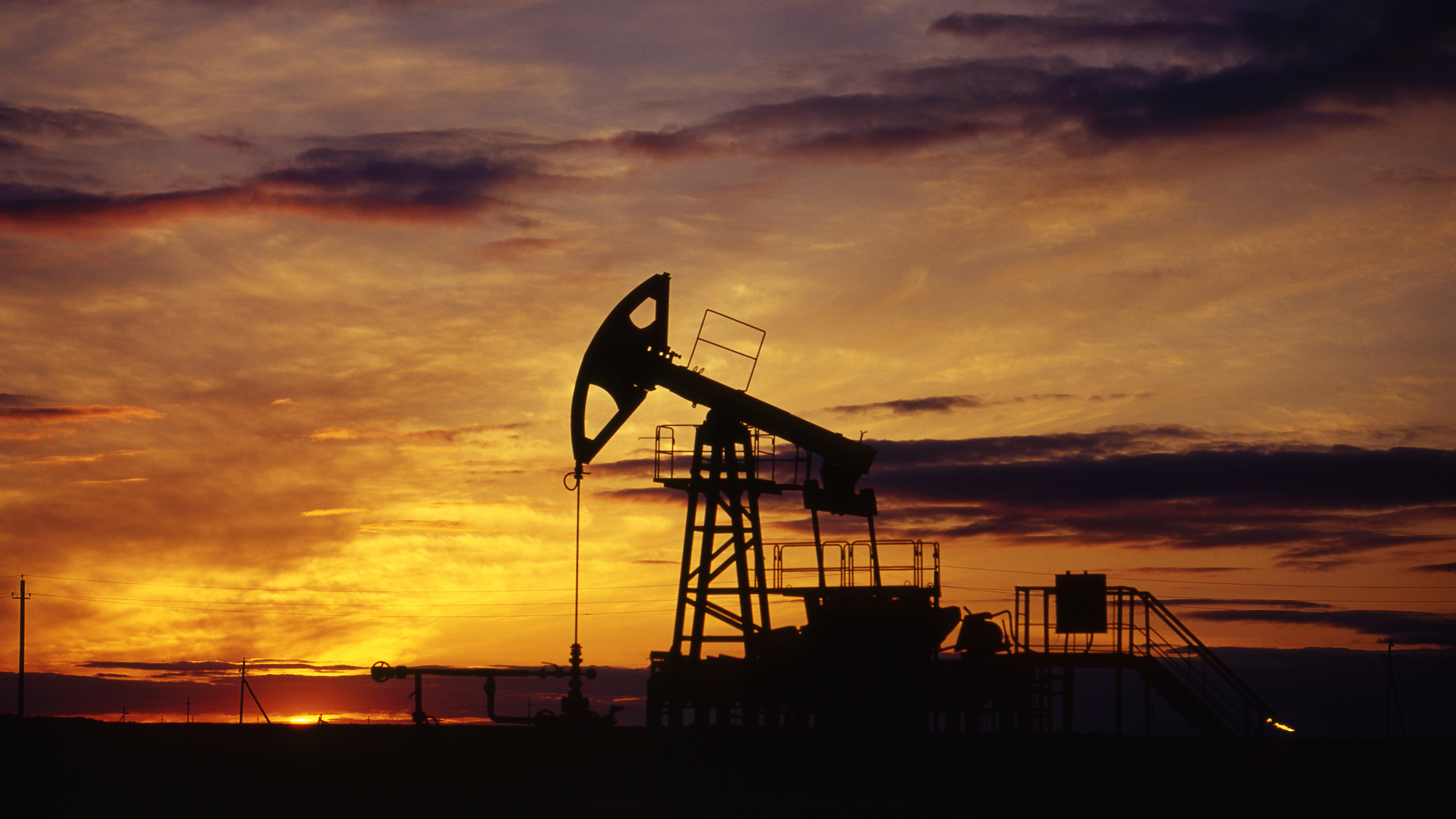
Since the beginning of the American-Israeli operation against Iran in late February, Urals crude oil has lived in an unusual mode: global panic pushed prices up so much that the discount to Brent temporarily nearly disappeared. The Moscow budget got a break. But on May 7-8, that pause ended.
What happened to the numbers
According to Argus Media data cited by Bloomberg, the average discount on Urals from Russia's western ports — Primorsk and Novorossiysk — widened to $23.9 per barrel below Brent, whereas on May 5 it was $22.67. Absolute price: $80.61 per barrel on May 8.
For comparison: in November-February, before the Iranian crisis, Urals traded at approximately $8-13 below Brent — the "standard sanctions discount," as Euromaidan Press describes it. Whereas at the peak moment after the 2022 invasion, the discount reached $30-32 per barrel.
Why this matters right now
The Iranian crisis gave Moscow an effect it did not expect: Brent jumped above $100, and even with the sanctions discount, Urals ended up at the most favorable levels in years. According to Bloomberg calculations, weekly revenues from Russian oil exports at the height of the crisis reached $2.48 billion — the highest figure since April 2022, a 120% increase compared to late February.
Now the market is "normalizing" — and for Russia, this is bad news. Analysts noted that discounts above $20 per barrel directly threaten budget execution: oil and gas revenues make up 35-40% of the Kremlin's federal revenues.
"The discount is a direct value expression of sanctions on Russia's revenues, barrel by barrel."
Euromaidan Press, analysis of the Iranian crisis
Discount mechanics: why it's growing again
The sanctions discount exists due to risk: the buyer assumes the threat of secondary sanctions, insurance refusals, freight complications. The lower the price — the more acceptable the risk. When the Iranian crisis raised global prices, this logic was temporarily overridden by frenzied demand. Now, as the acute phase of the crisis subsides, buyers are returning to basic haggling.
- India — the largest buyer of Urals after Europe's departure — has reduced contracts: according to Kpler, in December 2024 Indian refineries took 1.2 million barrels per day compared to 1.75 million earlier.
- Russia's "shadow fleet" faces new restrictions: the EU and Britain have tightened sanctions against vessels.
- Moscow's budget price for Urals in the 2025 plan — $69.70 per barrel. With a discount of $23.9 and Brent near $80, the actual price approaches the budget minimum.
It is notable that the current discount expansion is occurring not due to new sanctions, but through simple market return to equilibrium after the shock. This makes the situation structurally more resilient: one-time pressure measures can be endured, but fundamental market mistrust — is harder to overcome.
If Brent falls below $75 by the end of May amid OPEC+ production growth — and Goldman Sachs forecasts just such a trajectory — Urals could end up in the $50-52 range, which is already below any realistic budget scenario for Moscow and would question war financing without new internal loans.



