Discounts on Urals to ~$15: how falling oil revenues are hitting the Kremlin's budget
Urals is trading nearly $15 below Brent — this reduces Russia's revenues, alters export routes, and has a direct impact on the Kremlin's ability to finance the war. We break down the numbers and the consequences.

By Tetiana Suchkova-Ladik
February 10, 2026 · 2 min read
Price drops and discounts: what's happening
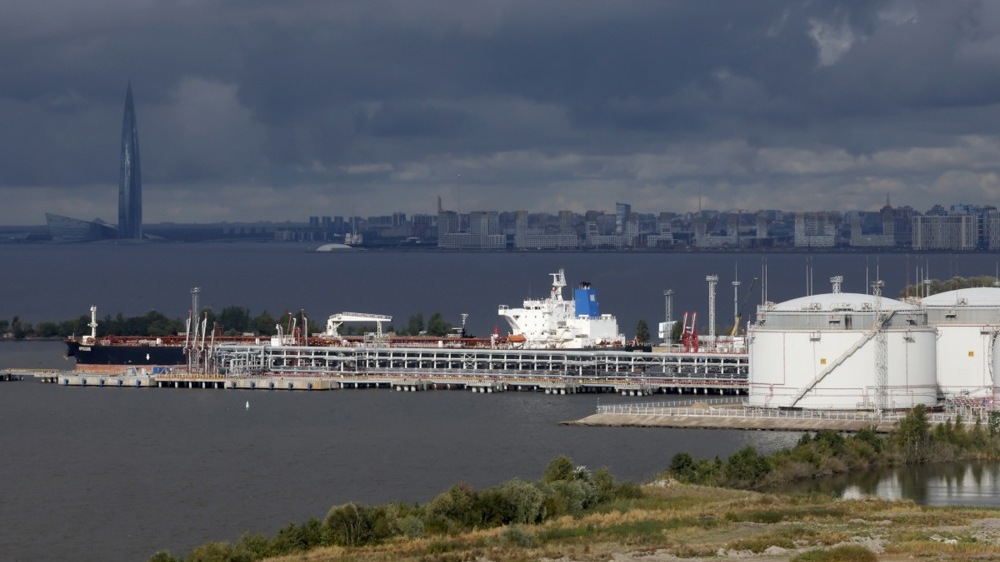
Bloomberg reports: supplies of Russian oil remain steady, but sellers are being forced to offer ever-deeper discounts — already taking a tangible hit on the Kremlin's oil and gas revenues. According to Argus Media, the Urals grade is being offered at almost $15 per barrel cheaper than Brent when delivery and other costs are taken into account; at the start of the year the discount was about $10 per barrel.
"Russia's oil supplies remain stable, but it is being forced to sell at larger discounts, which hits the Kremlin's oil and gas revenues."
— Bloomberg (citing Argus Media data)
Where the flows are going: India cuts back, China ramps up
By vessel-tracking cited by Bloomberg, average export volumes were about 3.33 million barrels per day in the four-week period to 8 February — slightly higher than a week earlier, but roughly 540,000 barrels per day less than before Christmas.
A key change in routes: supplies to India have fallen by more than half from the peak — to ~900,000 barrels per day in the first week of February (from peak >2 million b/d in summer 2023). At the same time, shipments to China have surged — about 2.2 million barrels per day in early February, which has reduced volumes of oil sitting at sea.
Economic pressure and production
Besides deeper discounts, Russia's budget is being squeezed by lower global prices and a stronger ruble. Bloomberg also notes: output in January fell for the second month in a row — nearly 300,000 barrels per day below the level permitted under the OPEC+ agreement. The same report says Russia's oil and gas revenues in January fell by almost half compared with January 2025.
"Difficulties finding buyers may lead to cuts in oil production in Russia."
— Bloomberg
What this means for Ukraine
Lower Kremlin revenues are a direct economic blow to its ability to finance the war. At the same time, partial compensation through the rerouting of flows toward China mitigates the effect of sanctions. In other words, we see two interconnected trends: a temporary weakening of Russia's financial resources and simultaneous market adaptation that may reduce the long-term impact of restrictions.
Practical implications for us: the decline in revenues opens a window of opportunity for international pressure — from diplomatic sanctions to controls on transactions and ship insurance. The more effectively partners synchronize their actions, the greater the chance of turning market fluctuations into a sustained reduction of the Kremlin's resources.
Conclusion. Bloomberg's data show that economic pressure is working: discounts on Urals have risen, export routes are shifting, and production is falling. But the final outcome depends on partners' policies and market adaptation. Whether these disruptions can be turned into a long-term weakening of funding for aggression is the key question for the coming months.



