Premium Diesel - Over 92 UAH: Who Pays the Difference Between Gas Station Networks
# Fuel prices in Ukraine rose again over the weekend: premium diesel at OKKO, WOG, and SOCAR exceeded 92 hrn, while the price difference for gasoline between networks reaches over 7 hrn. This isn't chaos — it's market structure, where some pay for the brand, while others seek out Shell.

By Tetiana Suchkova-Ladik
May 25, 2026 · 2 min read
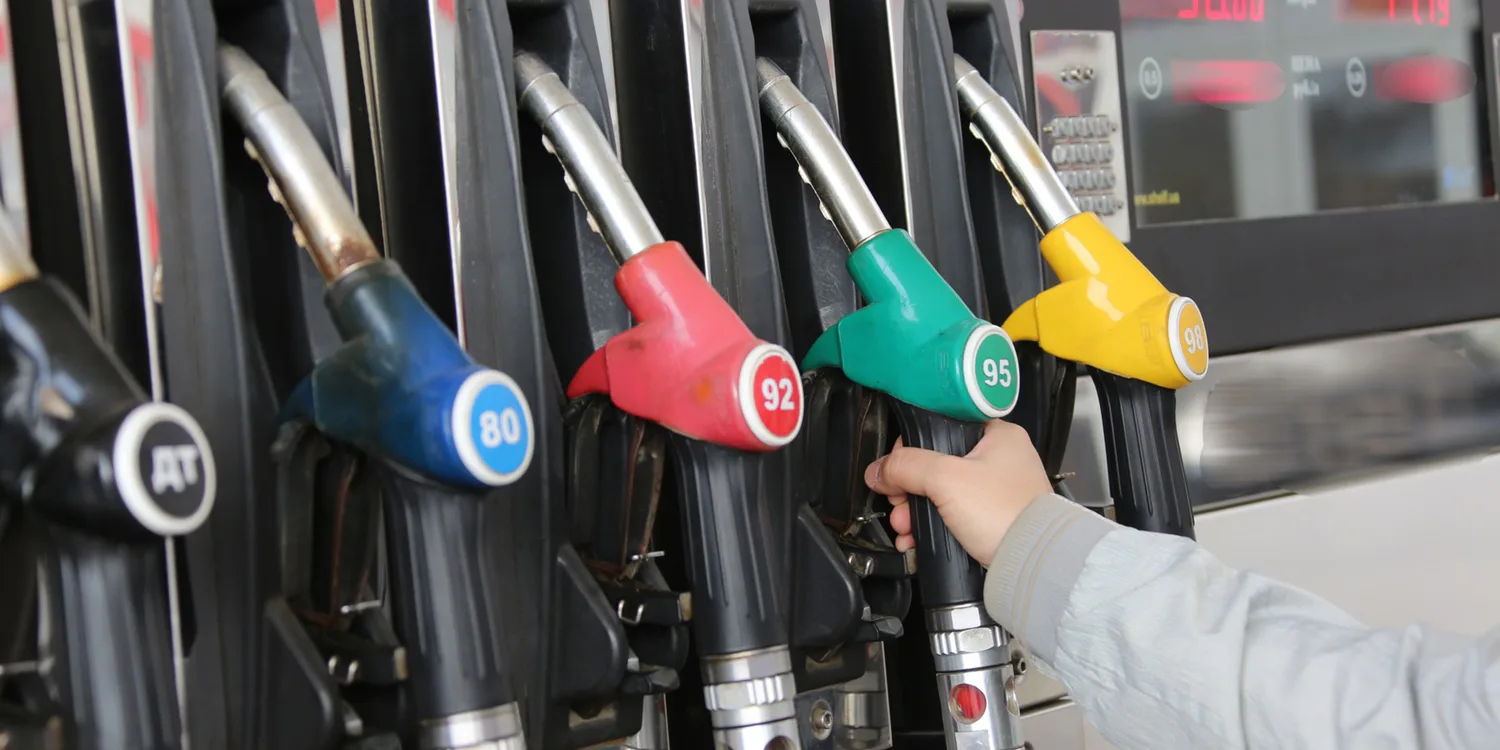
As of May 25, 2026, a driver pulling into OKKO or WOG pays over 92 hrn per liter for premium diesel. Those stopping at Shell pay significantly less. The difference between networks for A-95 gasoline already exceeds 7 hrn — and this is not a temporary glitch but a stable pricing model on the Ukrainian fuel market.
What and how much it costs now
Premium diesel (Mustang+, analogues) at the three largest networks — OKKO, WOG and SOCAR — exceeds 92 hrn/l. Standard Euro5 diesel hovers around 89.90 hrn. A-95 gasoline at most networks is around 79–80 hrn, but this is where the spread between operators is most noticeable: the lowest prices are fixed at Shell.
According to UNN monitoring, fuel prices rose across the spectrum over the weekend of May 24–25 — both gasoline and diesel.
Why prices are rising — and why now
Two factors are at work simultaneously. The first is global: the Middle East conflict keeps world oil prices at elevated levels. According to the NBU's assessment, March's oil price increase has already added 0.4 percentage points to Ukrainian inflation and forced the regulator to postpone a cut to the discount rate.
The second factor is exchange rate-related. Taras Lesovyy, director of the financial markets department at Globus Bank, called "dampening fuel prices" one of the factors that restrained exchange rate volatility in May. In other words: hryvnia stability was partly maintained by fuel not rising sharply — but this buffer is running out.
Who really overpays
A difference of 7+ hryvnias between networks is not just a matter of convenience. For small businesses, truckers, and farmers who refuel diesel-powered equipment daily, this amounts to hundreds of hryvnias per week from the choice of gas station alone. Meanwhile, fuel "premium" status is often a marketing overlay on the Euro5 standard rather than a technical necessity for most vehicles.
The lowest prices for gasoline and diesel fuel in May 2026 were recorded at the Shell gas station network.
UNN, fuel price monitoring, May 2026
- Mustang+ Diesel (OKKO/WOG/SOCAR): from 92.90 hrn/l
- Euro5 Diesel: 89.90 hrn/l
- A-95 Gasoline: ~79–80 hrn/l (spread between networks — over 7 hrn)
- Autogas: 48.90 hrn/l
If world oil prices do not retreat by the end of June and the dollar exchange rate approaches 44.5 hrn, the next psychological threshold for retail diesel in Ukraine will be 95 hrn/l. Whether demand can sustain this level without a noticeable reduction in driving — will be shown by the summer vacation season, when consumption traditionally increases.