12 criminal suspicions at Kyiv's municipal enterprises: how will this affect winter road maintenance
Twelve officials of the municipal enterprise have been named as suspects in investigations into winter road maintenance amid staff shortages caused by mobilization and investigative actions. We examine what risks this poses for the city and what the authorities must do to minimize the consequences.

By Tetiana Suchkova-Ladik
February 13, 2026 · 2 min read
Details of the suspicions and consequences for winter maintenance
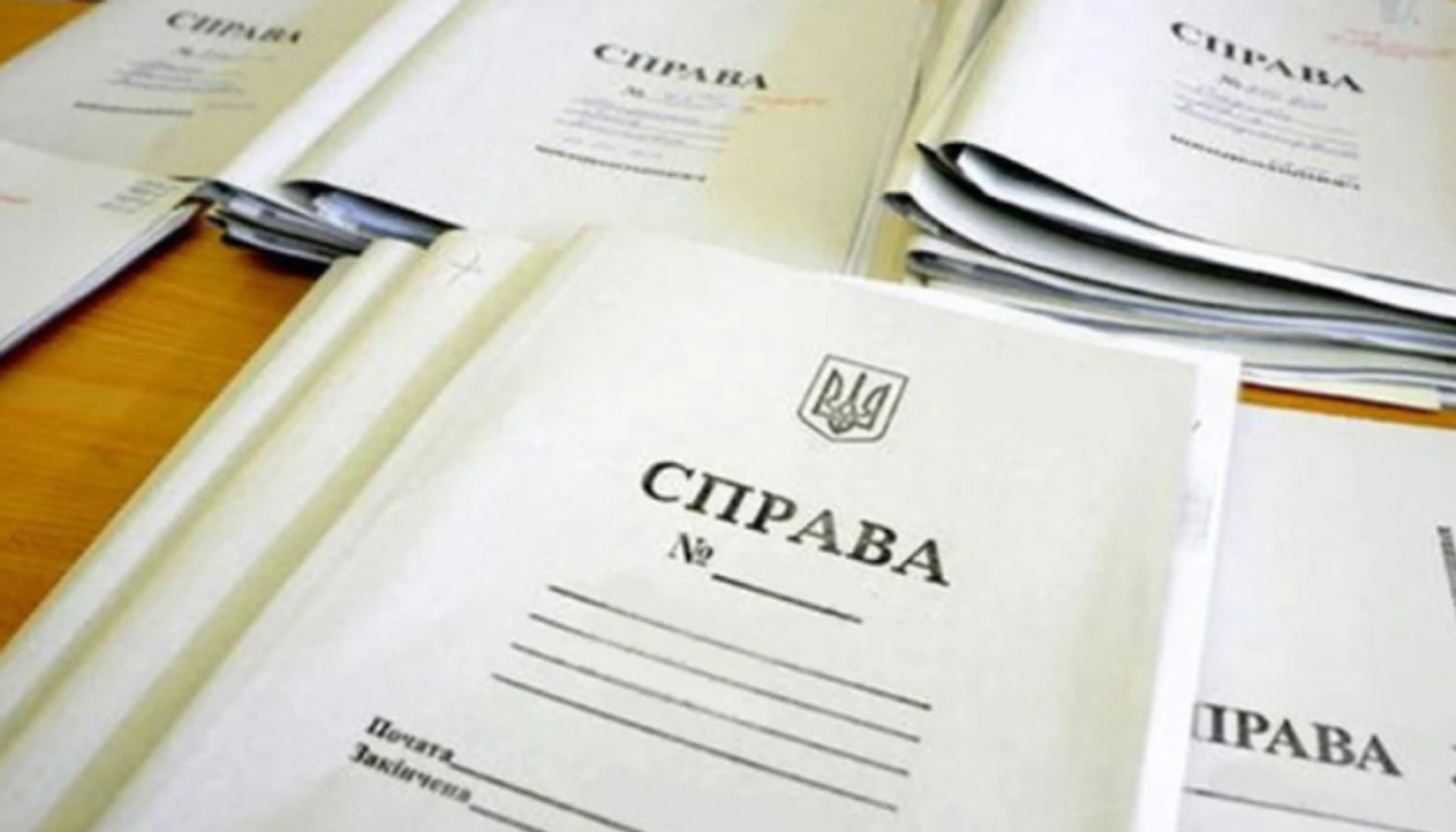
In Kyiv, 12 officials of municipal enterprises have been notified of suspicions as part of investigations linked to winter road maintenance, UNN reports citing the KMDA. Investigative actions began after the official start of the autumn‑winter period in October 2025 and coincided with peak pressure on the services.
Why this matters: the investigation affects the organization of work during a critical season — when rapid response determines road safety and the stability of urban infrastructure.
Staffing resources and real risks
According to the KMDA, enterprises are operating around the clock amid a significant staffing shortage: the share of employees with reserved status stands at about 50%, and more than 300 employees have left due to mobilization. In addition, part of the equipment and personnel are engaged in responding to the aftermath of enemy attacks — this increases the risk of delays in clearing roads and repairing networks.
"There is a tense situation in the work of enterprises that provide winter maintenance of the street‑road network. Procedural actions against the heads of enterprises affect the organization of work and have an impact on the stability of the teams' functioning"
— KMDA
Investigative actions, heat and coordination
The KMDA notes that despite investigative actions, the enterprises continue to carry out road maintenance work. At the same time, the SBU conducted searches at "Kyivteploenergo" after Russian attacks, and the process of restoring heat was partially blocked — this adds another component to the overall load on the services.
"Despite this, the enterprises continue to carry out winter maintenance work, ensuring road safety and the functioning of urban infrastructure even in difficult weather conditions"
— KMDA
What to do next
The city faces the task of combining legitimate investigations with the need for uninterrupted operation of critical infrastructure. Experts point to three priorities: rapid staffing replacements and reservations, centralized logistics for equipment, and public coordination between city authorities and law enforcement agencies. Without such steps, the risk of delays in clearing roads and restoring services during frosts increases. Now the question for the leaders is: how to ensure a transparent investigation without jeopardizing the safety of Kyiv residents this winter?