1,395 Points of Invincibility in Kyiv — how the aid network endures freezing temperatures and attacks on infrastructure
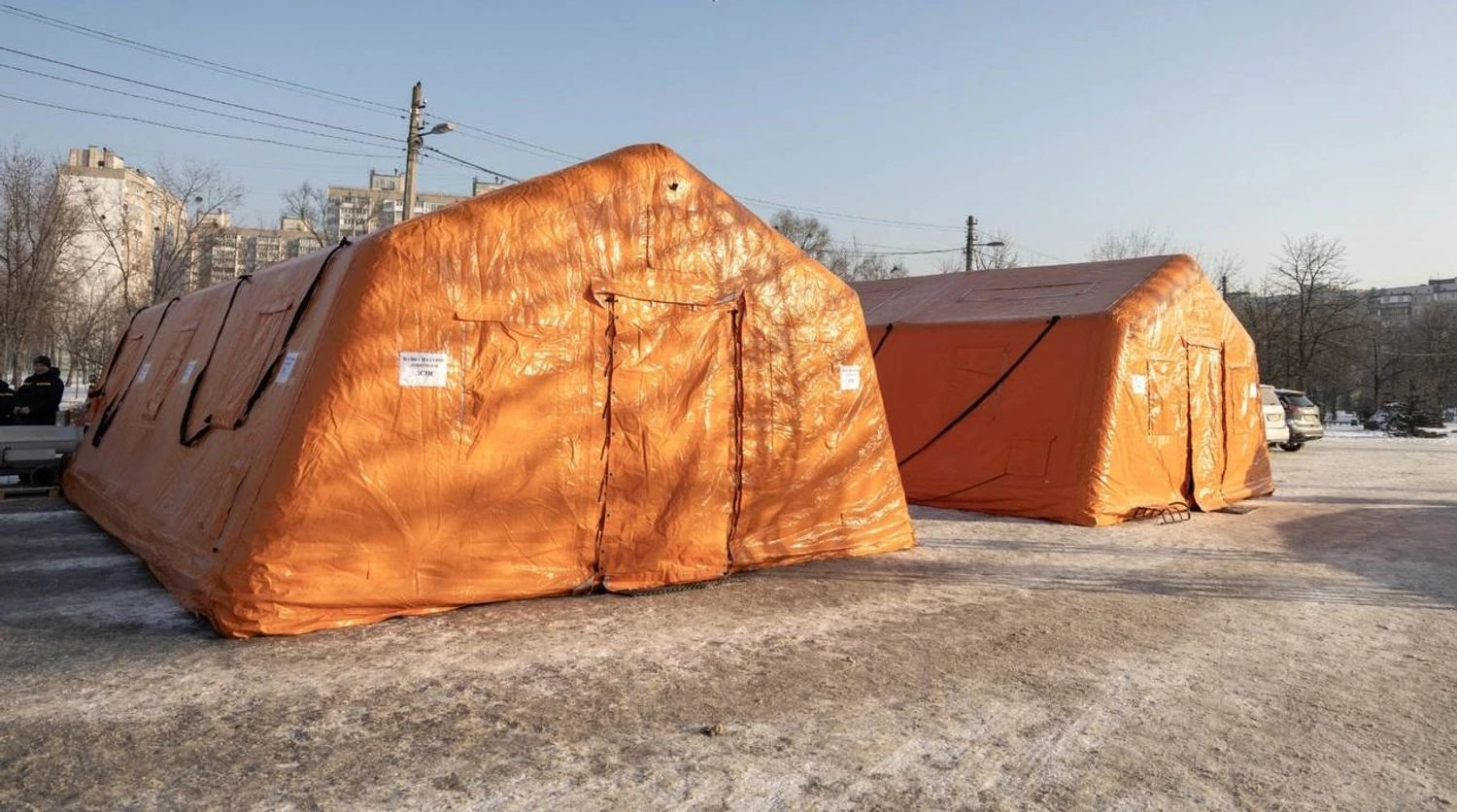
In Kyiv, 1,395 Points of Invincibility are operating, including 211 tents run by the State Emergency Service (DSNS). Read where to find help today, why these points are important, and what they mean for the safety of Kyiv residents over the coming week.

By Tetiana Suchkova-Ladik
February 6, 2026 · 2 min read
Briefly
In Kyiv, 1395 Points of Invincibility are operating, of which 211 are State Emergency Service (SES) sites deployed in tents. These data were published on Telegram by Minister of Internal Affairs Igor Klymenko and reported by the UNN agency. In just the last 24 hours nearly 9,000 people turned to the SES, and since the points began operating — about 174,000.
How the network operates
The points are intended for temporary support: they are autonomous, equipped with heating and power generators, offer hot drinks, places to warm up and psychological assistance. Almost 990 SES rescuers and more than 300 units of special equipment have been involved in recovery measures.
Our locations are autonomous, equipped with heating and power generators. Visitors are offered hot drinks and the opportunity to warm up. If necessary, the number of such points will be increased. The enemy strikes not only infrastructure but also human endurance. That is why our psychologists are working at these locations as well. Since the beginning of the year they have provided consultations and assistance to almost 34,000 citizens
— Igor Klymenko, Minister of Internal Affairs
What this means for city residents
Locations can be found in the Diia app. This is important: when operating under limited heat and power supply, quick access to information about the nearest point saves time and reduces health risks.
According to DTEK, on Friday the company increased power supply to homes in the Dniprovs'kyi and Darnytskyi districts that remained without heat after the shelling. Planned outages are scheduled only from 8:00 to 11:00 and from 18:00 to 21:00 — this allows planning the operation of the points and household needs.
Snow, black ice and subzero temperatures complicate the situation, but do not stop our work. We are operating in an intensified mode. We coordinate the actions of all services. We are doing everything possible to restore heat to homes as quickly as possible and help people get through these difficult days
— State Emergency Service of Ukraine
Why this is important now
The combination of cold weather, black ice and the impact of shelling on the energy sector increases pressure on social infrastructure. Points of Invincibility are not a decorative initiative but an element of civil defense: they reduce the risk of hypothermia, provide basic medical and psychological aid and buy time for the restoration of communications.
Conclusion
The network is withstanding the load — this is confirmed by thousands of requests and the forces involved. But demand may rise if frosts and damage to power lines continue. Check locations in Diia, share information with your neighbors and follow official announcements from the SES and energy suppliers. Whether resources will be sufficient for an extended period is a question for coordinators and partners. For now, the network is operating, and it matters for the safety of every Kyiv resident.