18 Mobile Boiler Units for Hospitals: How Kyiv Ensured Heat for Medical Facilities After Missile Attacks
After missile-and-drone strikes on the capital’s energy system, Kyivteploenergo rapidly deployed 18 mobile boiler units — they are heating 13 hospitals across six districts until the permanent networks are restored. We examine why this is important for patient safety and what it means from a technical and international perspective.

By Tetiana Suchkova-Ladik
January 9, 2026 · 2 min read
What was done
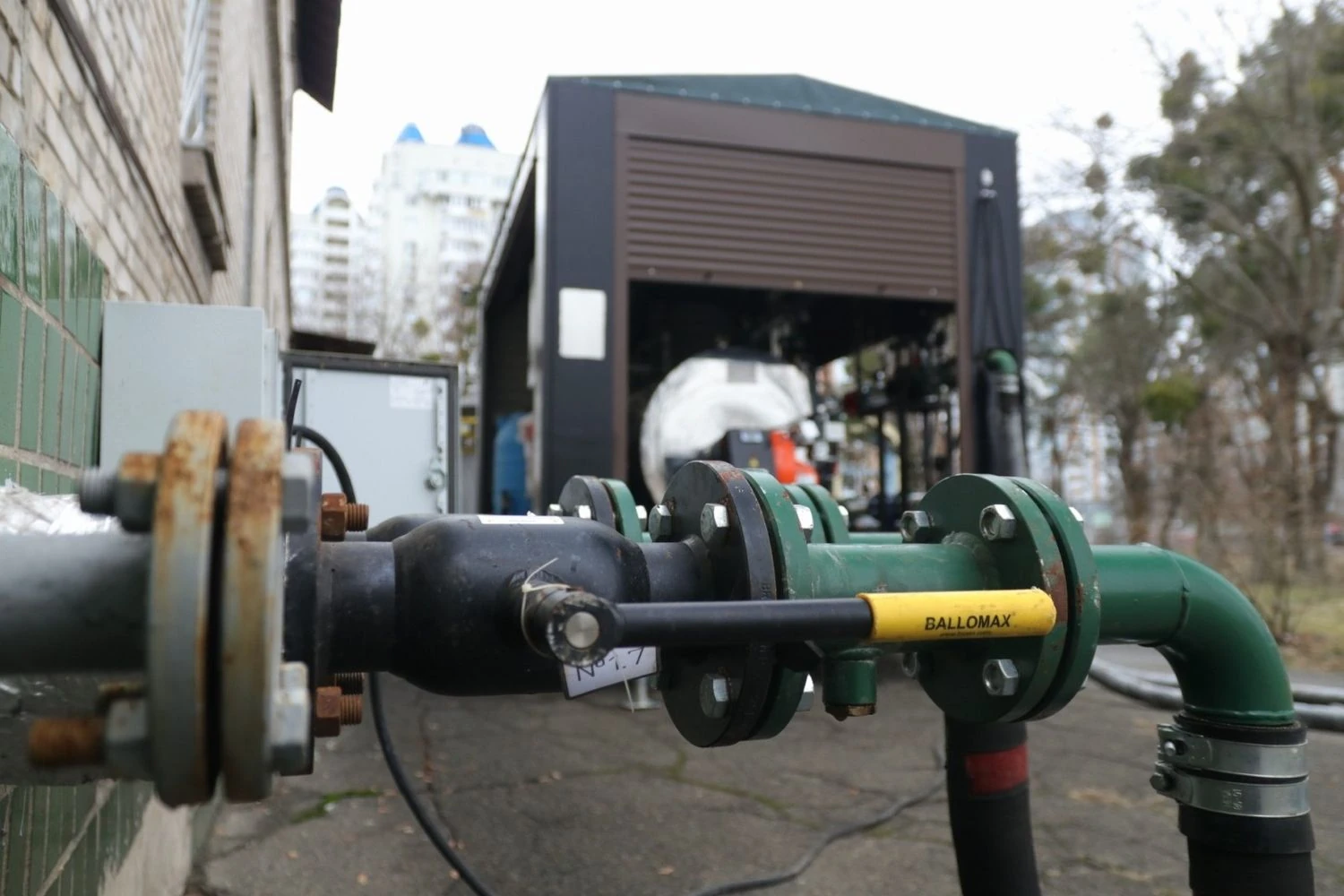
After large-scale attacks on Kyiv's energy infrastructure, the municipal enterprise Kievteploenergo deployed 18 mobile, transportable boiler units to ensure uninterrupted heating for medical facilities. These installations are currently providing heat to 13 hospitals in 6 districts of the city until stationary heat supply is restored, the Kyiv City State Administration (KMDA) and the UNN news agency report.
Why this matters
Hospitals are critical infrastructure: even a short interruption of heating complicates the work of intensive care units, maternity wards and inpatient departments. Mobile boiler units allow the treatment regime and temperature control for patients and equipment to be maintained until network repairs are completed.
"The boiler equipment allows long-term autonomous operation and provides heating for hospitals until heat supply from stationary heat sources is restored."
— KMDA
Technical and international context
Last year the number of mobile boiler units in Kyiv rose to 69 units thanks to cooperation with the Belgian international cooperation agency Enabel. The new installations have a capacity of 1,800 kW each, three times greater than previous models — significantly increasing autonomy and the ability to heat large facilities.
On January 9, as a result of missile‑drone attacks, parts of Kyiv were left without heating and electricity — according to reports, more than 500,000 consumers were without power. The rapid reallocation of resources to reserve sources, including mobile boiler units, became a critical element of the response.
Consequences and outlook
This operation is an example of systemic preparedness: technical modernization, international cooperation and the availability of fuel reserves reduce risks for patients and give the city administration time to repair networks. However, mobile solutions are a temporary measure: for stability, restoration of stationary infrastructure, fuel supply and planned investment in the resilience of the energy system are needed.
The expert community notes that the increase in mobile capacity is an important marker of trust from partners (notably Enabel) and a signal for further investment in the resilience of urban infrastructure.
Question for the next step
Will these operational measures turn into long-term investments in the energy independence of medical facilities? The answer depends on the speed of network repairs, access to funding and international support. For now — this is a concrete technological response that keeps hospitals operating and saves lives.