1,834 People Behind the Scenes of Comfort: How Irpin's Municipal Services Weathered This Winter
On the eve of their professional holiday, the city's first deputy mayor summed up: 1,834 housing and communal services workers kept the city running despite freezing temperatures, breakdowns and wartime risks. We explain why this matters for every resident.

By Tetiana Suchkova-Ladik
March 13, 2026 · 2 min read

People who provide everyday safety
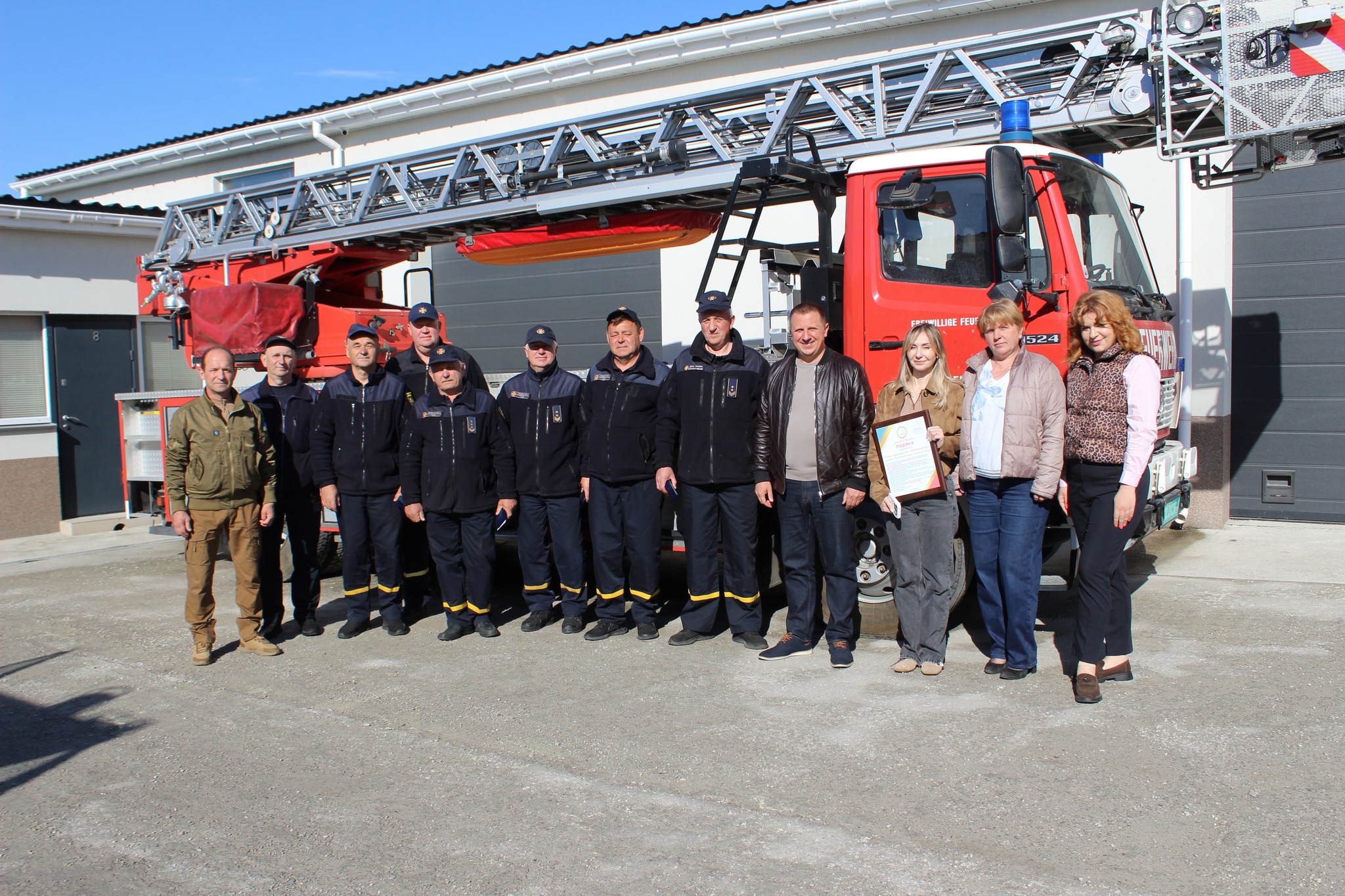
On the eve of the Housing and Utilities Workers' Day, the first deputy mayor of Irpin, Oleksandr Pashchynskyi, visited the community's municipal enterprises and thanked their teams. By his count, 1,834 people work in the community's housing and utilities sector — engineers, operators, road crews, repair teams and maintenance workers whose actions directly affect your safety and comfort.
What this season meant for the city
This winter was a trial: freezes, snow, sharp temperature fluctuations and a large number of emergency situations. The conditions were complicated by the wartime context — frequent shelling, power outages and additional loads on the networks. That is why the routine work of utility workers becomes a key element of the community's resilience.
Pashchynskyi emphasized the role of specific units: Municipal Enterprise "UZhKG Irpin" (Irpin Housing and Communal Services) cleared roads and ensured vehicle passage, the City Improvement Department maintained parks and squares, Irpinvodokanal (Irpin Water Utility) responded promptly to pipe bursts, Municipal Enterprise "Teploenerhopostach" was responsible for heating homes, and Municipal Enterprise "Ridne Selo" handled infrastructure in the community's settlements. The Department of Infrastructure Development coordinates these efforts at the city level.
"This winter was a real test for the utility services. Freezes, snow, sharp temperature changes, a large number of emergency situations. Many of them worked overtime, sometimes without days off, to respond promptly to all the challenges," — emphasized Oleksandr Pashchynskyi.
— Oleksandr Pashchynskyi, first deputy mayor of Irpin
Why this matters to you
Your heat, water and ability to get to work depend on the daily labor of these 1,834 people. When infrastructure operates reliably, it reduces risks to life and the community's economy: fewer emergencies, stable services for businesses and a more predictable daily life for families.
Conclusion
Greeting the teams is not merely a formality. It is a reminder that the city's resilience is built in everyday life: technical crews, dispatchers, repair teams — their work ensures normal life even in difficult conditions. The next step for the community and partners is to provide these workers with safe conditions, technical resources and stable funding so that 1,834 people can work more effectively and with fewer risks.