440 kW for Irpin Central Hospital: a generator that enhances energy resilience
Serhiy Prytula’s charitable foundation donated a 440 kW generator to a hospital — we explain why this is important for patients, medical staff and the community during prolonged power outages.

By Tetiana Suchkova-Ladik
March 25, 2026 · 2 min read
In brief
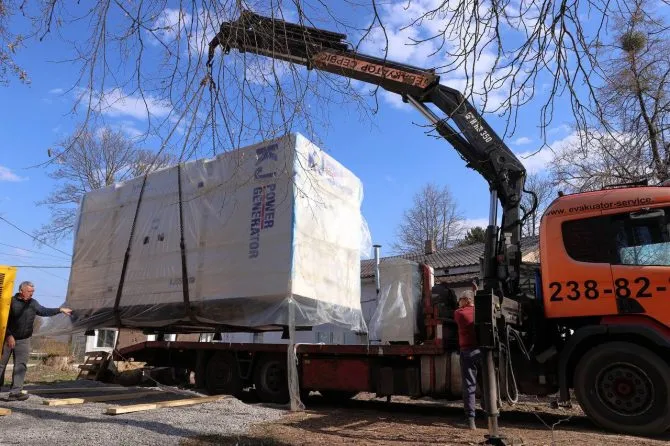
Serhiy Prytula's charitable foundation delivered a generator with a capacity of 440 kW to the Central Irpin Hospital. This is not just equipment — it is an additional layer of protection for operating rooms, intensive care, and life‑critical diagnostic equipment during prolonged power outages.
What changed
Previously the hospital had two backup sources — 300 kW and 200 kW. According to city officials, their capacity was insufficient to fully cover needs in critical situations. The new unit makes it possible to ensure uninterrupted operation of key departments and reduce the risk of transferring patients in the event of prolonged outages.
"Until now the hospital had two generators with capacities of 300 and 200 kW, but their resources were insufficient to fully meet needs during prolonged power outages. The new generator allows uninterrupted operation of operating rooms, intensive care, diagnostic equipment, and all of the hospital's critically important systems under any conditions"
— Oleksandr Pashchynskyi, First Deputy Mayor of Irpin
Why this matters
The hospital's energy resilience directly affects patient safety: uninterrupted power reduces risks during surgeries and ensures operation of intensive care and diagnostic equipment. For the community, it means reduced strain on the emergency medical system and a lower likelihood of evacuations or transfers of patients to distant facilities.
Context: volunteerism and local policy
The delivery from Serhiy Prytula's foundation is an example of rapid volunteer aid that complements state and municipal efforts. At the same time, Irpin approved a draft program to partially compensate co‑owners of multi‑apartment buildings for the purchase of generators or backup power kits — a signal that the city is working on systemic solutions, not just local purchases.
What's next
The generator strengthens the hospital's protection, but the effect will depend on several practical steps: integrating the equipment into the existing electrical network, regular maintenance, and ensuring fuel supplies during prolonged crises. If these conditions are met, Irpin residents will gain a significantly more reliable medical infrastructure — a concrete contribution to the community's resilience during trials.
Brief outlook
Technical assistance from volunteers and foundations quickly fills critical gaps. The next task is to turn such solutions into systemic policy: planning, financing, and technical support for backup power in all critical facilities.