Energy Hell Near Kyiv: When the Private Interests of Regional Power Companies Become a Threat to People's Lives
While the country fights an external enemy, residents of the Kyiv region have found themselves in the grip of internal inaction. Sofiivska Borshchahivka and Bilohorodka have been living for a month in a reality where seeing your breath in the room is the norm and flushing the toilet with a basin is a daily quest.

By Tetiana Suchkova-Ladik
January 27, 2026 · 2 min read
Ice age 20 kilometers from the capital
Imagine: brutal frosts outside, and +8°C in your home. You try to heat 110 square meters with two portable fan heaters during those miserable three hours when the power comes on, but the appliances barely work because of low voltage. This is not footage from an apocalypse movie, but the daily survival of thousands of Ukrainians in the Bucha district as of January 2026.
The situation is critical:
- Around 1,000 homes in Kyiv itself remain without heating, and in the Kyiv region that number reaches thousands.
- Nearly 60% of residents of the capital and adjacent districts are constantly without electricity.
- The energy collapse has halted water supply: people are forced to flush toilets using basins, and frozen feces have become the new housing-and-utility reality.
Why transformers are burning: Attacks or systemic greed?
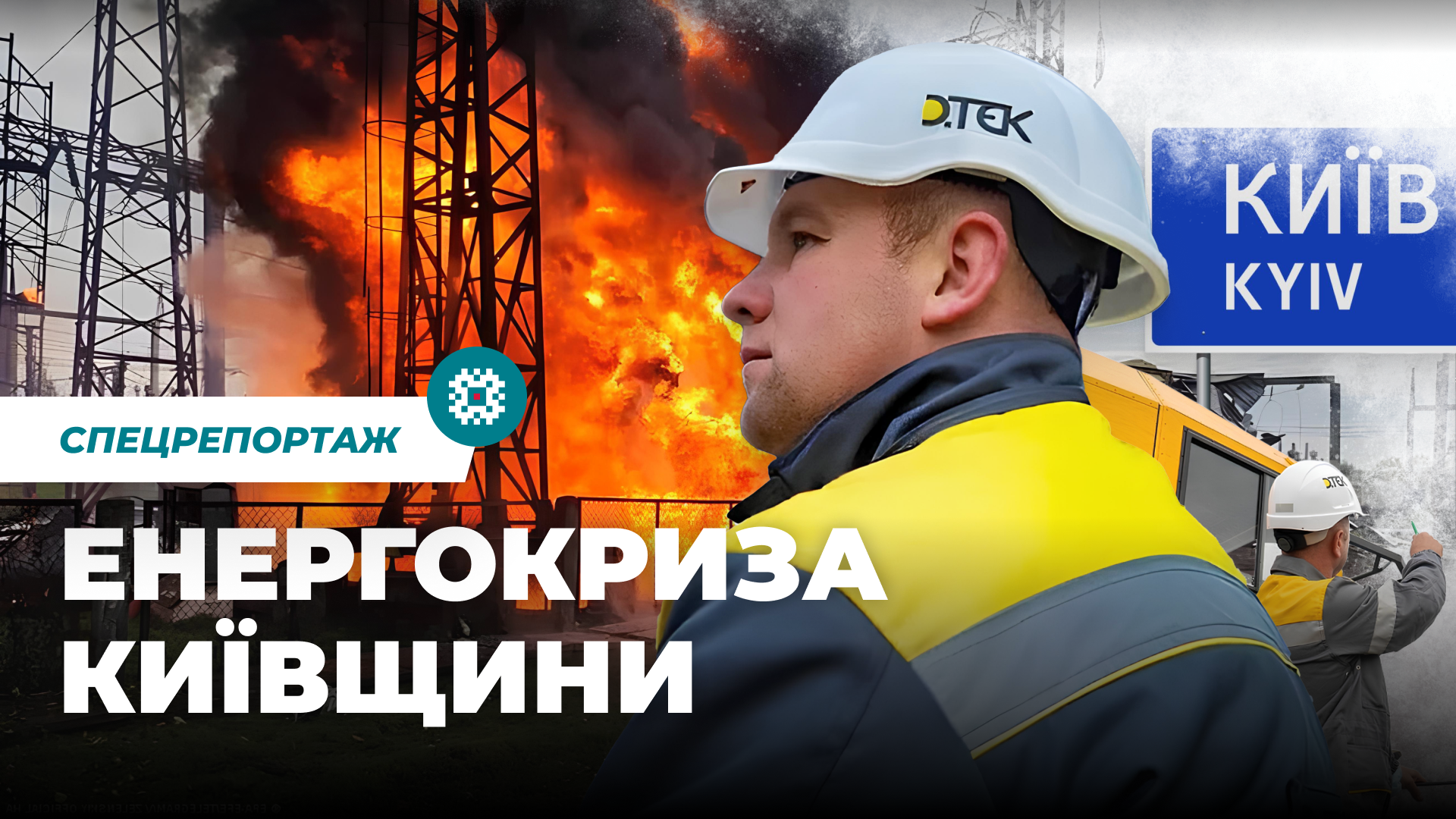
Western analysts and energy experts emphasize: you cannot blame everything solely on missiles. The war has merely exposed the metastases of a system that has rotten for years. While officials report "schedules", in Sofiivska Borshchahivka (group 2.1) transformers are burning in open flames.
The reason is cynical and simple: equipment designed for 50 private homes was for years overloaded with new townhouses and shops. "They collected connection fees, added extra load — and now the networks are simply melting," residents complain. This is not merely a technical error; it's systemic neglect of safety for the sake of profit.
"We're tired of getting sick. The house is fully electrified, there's no gas. We depend on electricity that effectively doesn't exist, even when the schedules say it's 'on'. It's 8°C in the house — that's not living, it's survival."
– A resident of Sofiivska Borshchahivka
Wall of indifference: How the regional power company stonewalls people
When an outraged community went to the oblenergo office with a collective complaint, they were met not by problem-solvers but by locked doors. People waited for hours to be received while their passport details were recorded with no guarantees of help. The monopoly's internal communication is paralyzed: operators often brush off requests, claiming that people allegedly have power, even though entire neighborhoods remain in darkness.
Community strength against systemic collapse
This story could have ended tragically if not for the effect of social proof and solidarity. Tired of waiting for oblenergo repair crews, the residents of Bilohorodka self-organized. The community themselves found specialists who were able to restore the electrical panel, proving: when private entities fail to act, only unity saves.
Context: War demands meticulous work from energy professionals, but it does not absolve responsibility for decisions made long before the shelling. Miscalculations in managing strategic assets carry too high a price — one people are paying today with their own health.