Irpin‑2026: where major road repairs will be carried out and traffic lights installed — what will change for residents
City authorities have earmarked funds in the 2026 budget for major infrastructure upgrades. Details — which streets will be renovated, where traffic lights will be installed, and why this matters for the community’s safety and mobility.

By Tetiana Suchkova-Ladik
March 15, 2026 · 2 min read
Brief and to the point
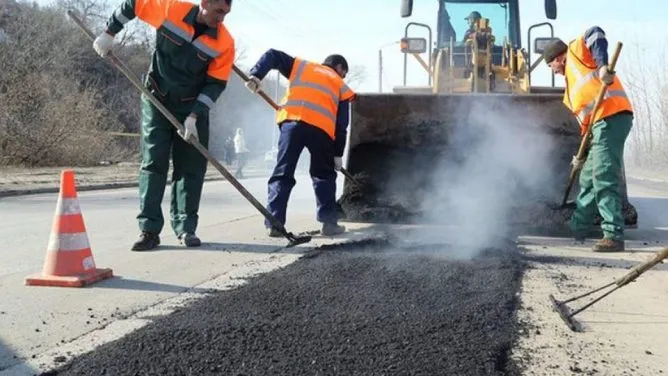
In the Irpin community they are moving from patch repairs to planned capital works — this became possible with the stabilization of temperature conditions and funds allocated for 2026. This approach reduces the risk of repeat pavement damage and saves the community money in the medium term.
"For 2026 we have allocated funds for capital road repairs and for laying new roads where they did not exist before"
— Anzhela Makeieva, acting mayor of Irpin — secretary of the council
Planned locations
According to the city council announcement, capital repairs and new construction are planned for the following sections:
- Verikivskoho Street — from Vasyl Stus Street to Ivan Drach Street;
- Troitska Street — from Hromadyanska Street to Lychaka Street;
- Poltavska Street — from Aviakonstructora Antonova Street to Lesia Ukrainka Street;
- Dovzhenka Street;
- Tyshchenka Street — from No. 29a to No. 43;
Separately, the construction of a new road is planned on Romodanova Street (from Vyhovskoho Street to Olena Teliha Street) with sidewalks and water drainage systems.
In the Stoyanka neighborhood a reconstruction of the intersection of Pavla Hlazovoho Street — Nezalezhnosti Street — lane (with the organization of a roundabout) is planned to increase throughput capacity and reduce accidents.
Where traffic lights will appear
The city also announced the installation of new traffic lights at two critical intersections:
- the intersection of Universytetska Street and Mykola Rudenko (Matrosova) Street;
- the intersection of Soborna Street and Mineralna Street.
Why this matters
By moving from patch repairs to capital works, the authorities address several tasks at once: they increase safety for pedestrians and drivers, reduce spending on frequent local repairs, and improve access for emergency response services. The drainage systems on Romodanova are not only about comfort but also reduce the risk of flooding and pavement damage after heavy rains.
"Investments in roads are investments in the community's mobility: getting to work faster, transporting children to school more safely, allowing utility workers to operate more effectively, and enabling emergency services to arrive more quickly"
— representative of the infrastructure department of the Irpin community
What’s next
Now the key questions are implementation timelines, contractor tenders, and quality control. Residents should expect temporary inconveniences during the works, but the long-term effect should be noticeable: fewer potholes, better drainage, and safer intersections.
Does this mean the end of patch repairs? No — the strategic approach will combine operational and capital works. However, the community is already taking a step toward systemic infrastructure changes that increase its resilience and quality of life.