Kyiv prepares to restrict truck access January 6–10 due to heavy snowfall — what it means for traffic and deliveries
Due to expected snowfalls, fog and icy conditions, the Kyiv City State Administration together with the Kyiv Regional Military Administration are preparing 55 control points and possible temporary restrictions on heavy and oversized vehicles — measures that will affect logistics, traffic congestion and the operation of communal services.

By Tetiana Suchkova-Ladik
January 5, 2026 · 2 min read
Briefly
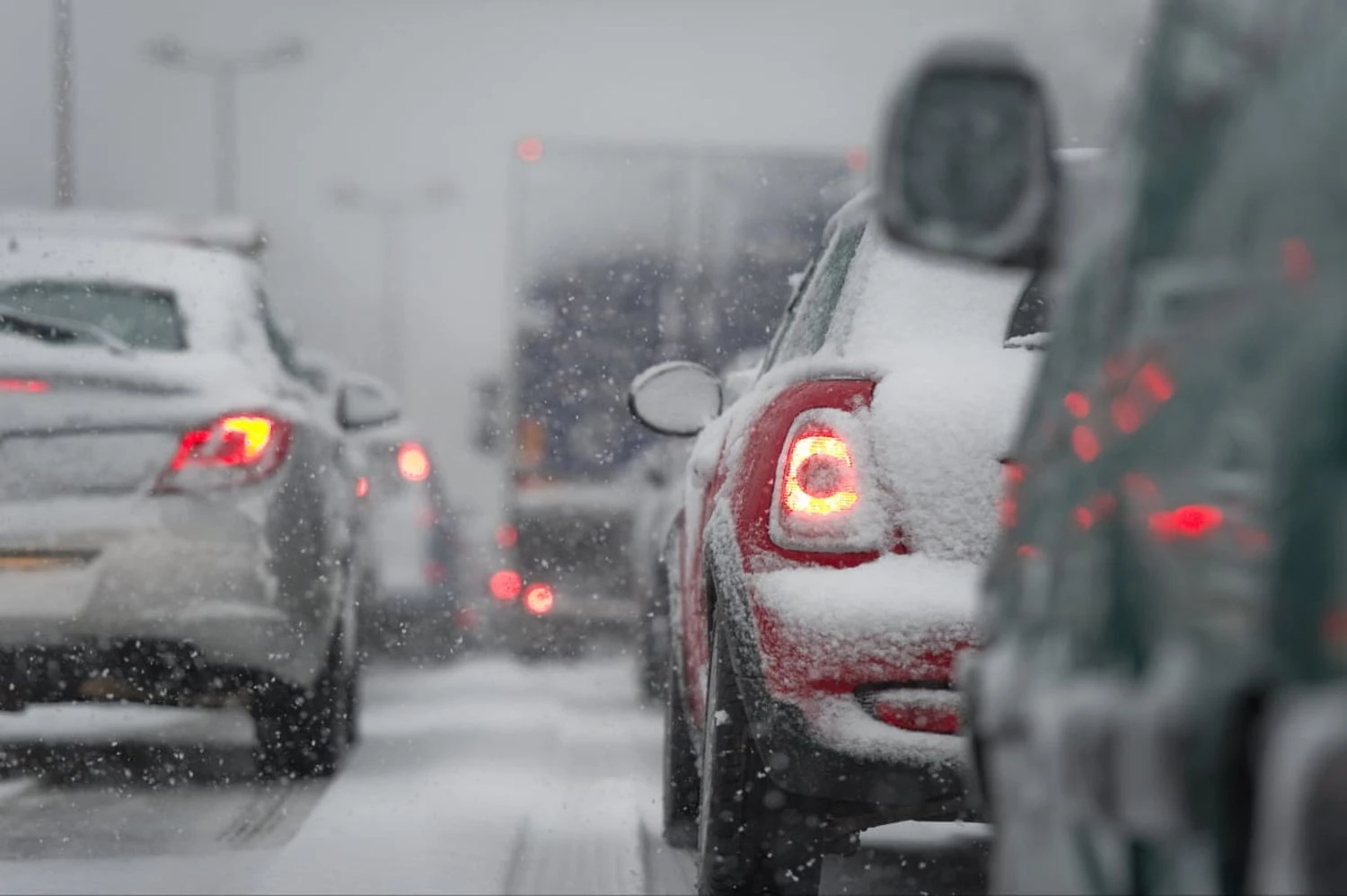
From January 6 to 10, meteorologists forecast variable winter weather in Kyiv and the region — snowfalls, wet snow with rain, fog and icy conditions. Because of this, city authorities do not rule out temporary restrictions on the entry of heavy and oversized vehicles. To control traffic, 55 checkpoints and layover areas on roads of national importance have been designated, report the KMDA and KOVA (source: UNN).
“From January 6 to 10 variable winter weather is expected with changing pressure and temperature fluctuations. Snowfalls are possible, alternating with wet snow and rain. In places — fog, freezing rain, and icy roads.”
— meteorologists (UNN report)
Why this matters for Kyiv residents
Restrictions on heavy freight vehicles are a preventive step to reduce the risk of traffic jams and free lanes for snow‑clearing equipment and emergency services. For residents this means possible delays in deliveries, altered public transport routes, and increased attention to parking rules — illegally parked cars may be towed.
Practical advice
- Monitor official announcements from the KMDA and KOVA — decisions on restrictions are made promptly depending on the evolving weather situation.
- Plan routes in advance: if you are a truck driver — take into account possible checkpoints and layover/parking areas.
- When possible, prefer public transport on days with bad weather — this helps municipal crews work more effectively.
- Do not leave cars on road shoulders or in places where they can obstruct snow removal; improperly parked vehicles will be towed if necessary.
- Pedestrians — walk carefully on sidewalks and cross the road at marked crossings.
“We urge Kyiv residents during bad weather to use public transport instead of private cars. This will help avoid traffic jams and speed up the work of municipal services and specialized equipment.”
— KMDA
The logic is simple: fewer trucks in the city means fewer disruptive delays and better conditions for the machinery that clears the roads. For business and logistics this is a signal — check delivery schedules and arrange alternative routes. For residents — plan trips and avoid adding unnecessary strain to city services.
Conclusion
City authorities are taking preventive measures to maintain traffic flow and ensure emergency services can operate during severe weather. Our practical checklist: check official notices, adjust routes, and when possible choose public transport. Such coordination is the best way to get through a winter episode without unnecessary risks for the city.