Kyiv mobilizes extra buses on January 9 — what will change for travel and why it matters
Because of icy conditions and severe frosts, up to 40 trolleybuses and up to 25 trams will operate at night, while daytime service will be covered by duplicate bus routes. We explain how this will affect travel around the city and the operation of emergency services.

By Tetiana Suchkova-Ladik
January 8, 2026 · 2 min read
Systematic work for traffic safety
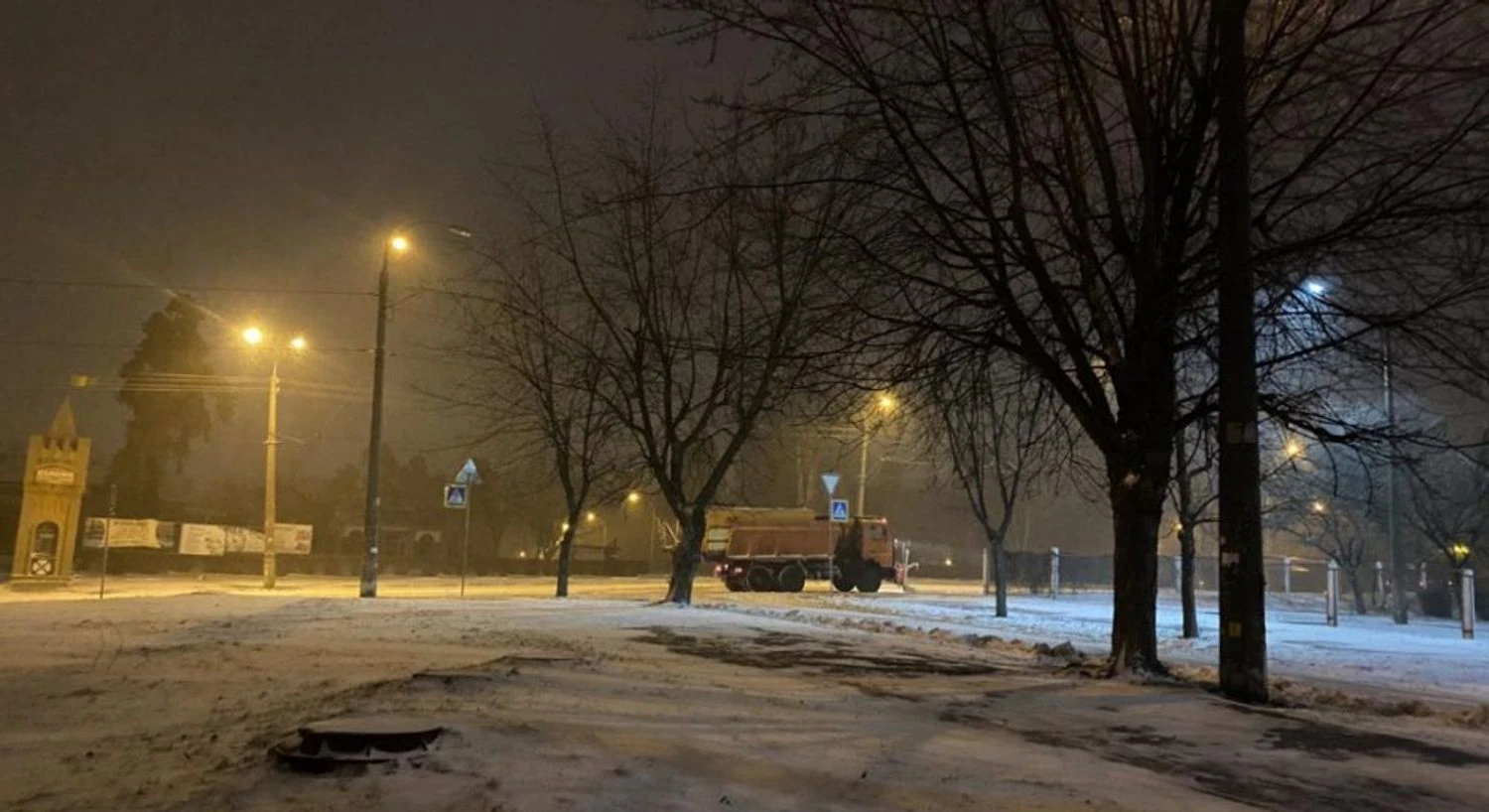
Due to deteriorating weather conditions, a set of measures is planned in Kyiv for January 9 to preserve transport connections. At night, up to 40 trolleybuses and up to 25 trams will be put into service — this is being done to prevent icing of the contact network and reduce the risk of accidents during the cold period. During the day, duplicate bus routes will be organized on key directions.
What will change specifically
Bus duplication will affect, in particular, the following directions:
- the high-speed tram routes No. 1 and No. 3 will be replaced — bus service between Starovokzalna Street and the "Zhulia Verna" station;
- instead of trams No. 12 and No. 17 — buses between Taras Shevchenko Square and Pushcha-Vodytsia.
The organization of duplicate routes is carried out in operational mode with priority given to routes with the highest passenger flow, in order to minimize inconvenience for the capital's residents.
"The organization of duplicate routes is being carried out in operational mode, primarily on routes with the highest passenger flow."
— Kyiv City State Administration
Operation of emergency and energy services
Energy crews in Kyiv and the region have moved to an intensified mode of operation — a standard practice during severe frosts and heavy precipitation. Fallen trees have been reported in some areas, which can cause temporary traffic delays; the relevant services are responding promptly to such incidents.
Road maintenance crews are working in locations where short-term accumulations of meltwater are possible, to prevent flooding and keep access open for special equipment and public transport.
What Kyiv residents should do
To help services and reduce delays, residents are asked, where possible, to refrain from traveling by private car and to use public transport. Drivers are advised not to park at the roadside; pedestrians should be cautious, keep to sidewalks and cross at marked crossings. There are also recommendations to prepare for severe cold and possible disruptions to infrastructure.
Brief forecast
If the frost and precipitation persist, short delays on certain routes are possible. The priority goal is to maintain the city's mobility and ensure safe transportation of passengers. The more Kyiv residents use public transport and follow simple safety rules, the sooner services will return everything to normal operation.