Kyiv switches electric transport to replacement buses: what will change for passengers
Due to emergency power outage schedules in the capital, trams and trolleybuses have been temporarily suspended — the city is deploying replacement buses, including route No. 3‑T. We explain how this will affect travel today.

By Tetiana Suchkova-Ladik
January 10, 2026 · 1 min read
What happened
Today in Kyiv, electric public transport on the left and right banks temporarily stopped due to instability in the power system. According to the Kyiv City State Administration (KMDA), the city has moved to emergency blackout schedules, as a result of which trams and trolleybuses have ceased operating; the metro is currently running as usual. This was reported by UNN with reference to the KMDA and the municipal enterprise KP «Kyivpastrans».
Which routes have been put into service
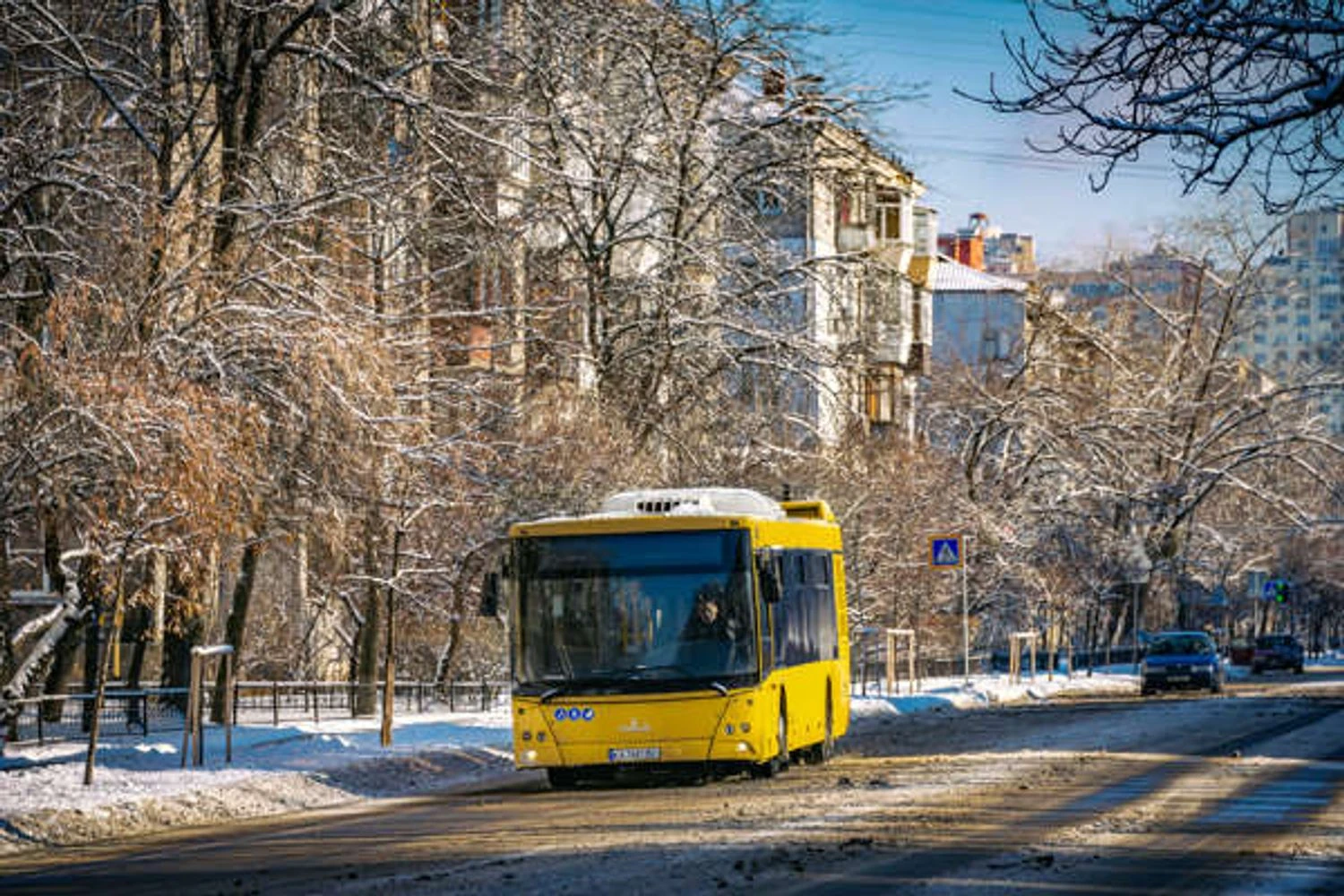
To maintain passenger mobility, KP «Kyivpastrans» has organized replacement bus routes. The most notable example is route No. 3‑T (Starovokzalna Street — Ring Road), which duplicates the Borshchahivka high-speed tram. This helps preserve connectivity between key districts while power supply is being normalized.
"Due to the unstable situation in the power system, electric transport on the left and right banks of the capital has temporarily stopped. KP «Kyivpastrans» is launching replacement bus routes"
— KP «Kyivpastrans», press service (KMDA/UNN statement)
What passengers need to know
Plan your travel with extra time: replacement buses have different speeds and service intervals. Check current announcements on the KMDA and «Kyivpastrans» websites or in route apps. Also bear in mind that emergency power outages are in effect in the city and region, which has temporarily limited the operation of some water supply and heating systems.
Context and consequences
Such forced measures are not uncommon during peak loads on the power system. Launching replacement buses is an example of the operational adaptation of urban infrastructure: a short-term step that mitigates the social consequences of outages. At the same time, it underscores the need for investment in network resilience and backup power sources for critical services.
City authorities and municipal services are demonstrating their ability to respond quickly. The next step is more predictable information schedules and long-term technical solutions so that such interruptions become the exception rather than the norm.