Kyiv battles black ice: over 360 vehicles and around 3,000 municipal workers on road duty
When temperatures shift during the day, icy conditions return even despite overnight road treatment. We look at which resources are being deployed, what this means for Kyiv residents, and how to prepare for complications in the coming days.

By Tetiana Suchkova-Ladik
January 7, 2026 · 2 min read
Mobilization of resources
According to the Kyiv City State Administration (KMDA), more than 360 pieces of equipment and about 3,000 municipal workers have been deployed to fight the icy conditions in Kyiv. UNN reports, citing the KMDA.
On main thoroughfares, bridges, descents and inclines, 276 units of Kyivavtodor's specialized equipment are operating. Residential courtyard areas are serviced by more than 2,000 employees of communal management companies and about 50 pieces of equipment. In parks and squares — 39 pieces of equipment and 725 employees of Kyivzelenbud.
Residential courtyards are being cleared and treated by more than 2,000 employees of communal management companies and about 50 pieces of equipment. In parks and squares, 39 pieces of equipment and 725 Kyivzelenbud employees are working
— KMDA
Manual clearing is being carried out by 459 workers in 69 crews, who treat stops, narrow sidewalks, stairs, safety islands and pedestrian crossings.
Why the icy conditions return
The KMDA explains that cycles of precipitation and temperature fluctuations lead to the recurrent formation of ice even during continuous surface treatment. It is physically impossible to remove ice simultaneously across all sections of a large city — resources are allocated by priority, with main thoroughfares, bridges and public transport routes addressed first.
Ice and icy conditions caused by precipitation and temperature fluctuations can reappear during the day even with continuous work by municipal services. City services constantly perform cleaning and anti-icing treatment, but it is physically impossible to eliminate icy conditions simultaneously across all parts of the city
— KMDA
Impact on Kyiv residents
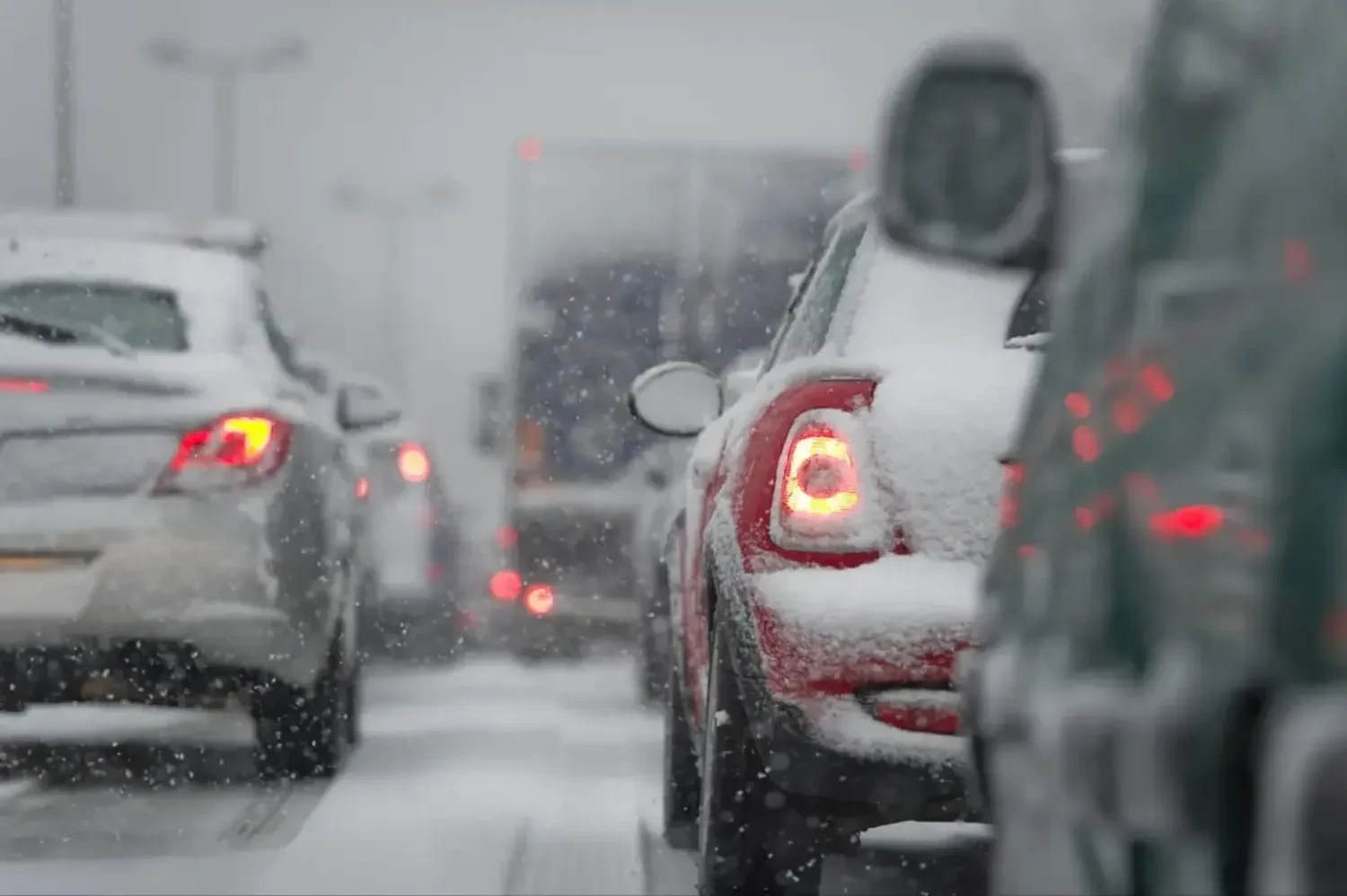
Due to worsening weather conditions, a traffic accident involving 13 vehicles has already occurred, complicating movement towards Vyshhorod. For drivers and pedestrians this means increased risk, possible public transport delays and reduced throughput on a number of streets.
Forecast and practical advice
Meteorologists predict wet snow, rain and icy conditions on January 8 (yellow level of danger). On the night of January 9 significant snowfall with blizzard conditions is expected, increasing the risk of renewed ice on the roads. We recommend allowing extra time for trips, choosing public transport where possible, dressing for slippery surfaces and reporting hazardous areas via municipal services.
This is not a one-off operation but a daily coordination of thousands of people and pieces of equipment — the city system is working to maintain mobility and safety. Next steps depend on the weather: from meteorologists' assessments to the allocation of equipment by priority, but at every stage both drivers' responsibility and reports from residents about problematic areas are important.