Kyiv upgrades Lukianivska: renovation of Exit No. 1 and what it means for passengers
At Lukianivska metro station a phased replacement of entrance doors is underway — repairs to Exit No. 1 begin tomorrow. We explain how this will affect daily commutes, operating hours, and safety amid possible air‑raid alerts.

By Tetiana Suchkova-Ladik
March 3, 2026 · 2 min read
What’s happening
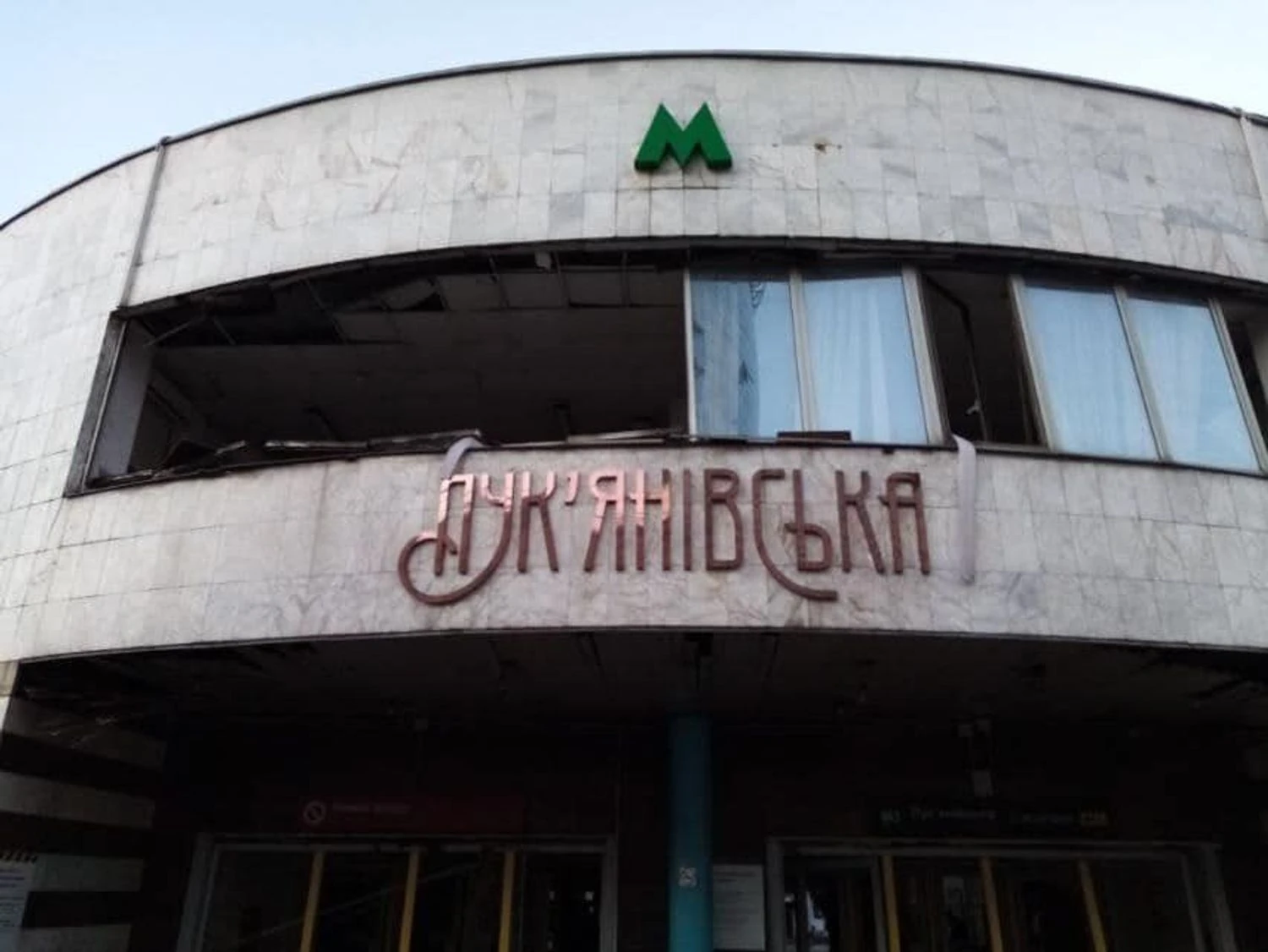
At the capital’s Lukianivska metro station, a staggered update of the entrance door groups is underway. According to the Kyiv City State Administration (KMDA) (via UNN), tomorrow, March 4, repair work will begin on Exit No. 1 toward Yurii Illienko Street. The work is being carried out in stages to minimize the impact on passengers.
“At Lukianivska station, work continues on the staggered replacement of the entrance door groups. Tomorrow, March 4, specialists will begin repair work on Exit No. 1 toward Yurii Illienko Street.”
— Kyiv City State Administration, statement via UNN
How this will affect passengers
According to official information, the station’s operating regime will not change — both exits will remain open. The current schedule for today is:
- Exit No. 1 (on the Yurii Illienko Street side) – from 5:35 to 22:28;
- Exit No. 2 (on the 'Kvadrat' shopping center side) – from 5:36 to 22:27.
In other words, during the working day the station is available for entry and exit, and repairs will be carried out so as not to deprive residents of their usual logistics.
Why this matters
Door modernization is not just an aesthetic change. New entrance groups improve passenger safety, convenience, and the resilience of the infrastructure under heavy use. This also reduces the risk of escalator accidents and eases evacuation or sheltering in case of threat.
City services emphasize that systematic technical maintenance is part of supporting the city’s overall mobility during the war, when the reliability of critical infrastructure is of primary importance.
In alert mode
“If an air raid alert is declared, all underground metro stations operate around the clock as shelters. All vestibules are open for entry.”
— Kyiv City State Administration
Thus, regardless of repairs, underground stations remain available as shelters if needed — another reason why the work is planned in stages and with safety in mind.
Conclusion
This local upgrade is an example of how the city is investing in the safety and comfort of daily trips. Plan your route, but do not expect major restrictions: the station will operate as usual, and the repair should make trips more reliable. Follow official KMDA announcements in case of operational changes.