Kyiv Metro changes schedule Jan. 1–2 to accommodate holiday demand
Due to a projected decline in ridership, the metro is temporarily adjusting service intervals — what this means for Kyiv residents and how it's connected to the "3000 km Across Ukraine" program.

By Tetiana Suchkova-Ladik
December 30, 2025 · 2 min read
Briefly
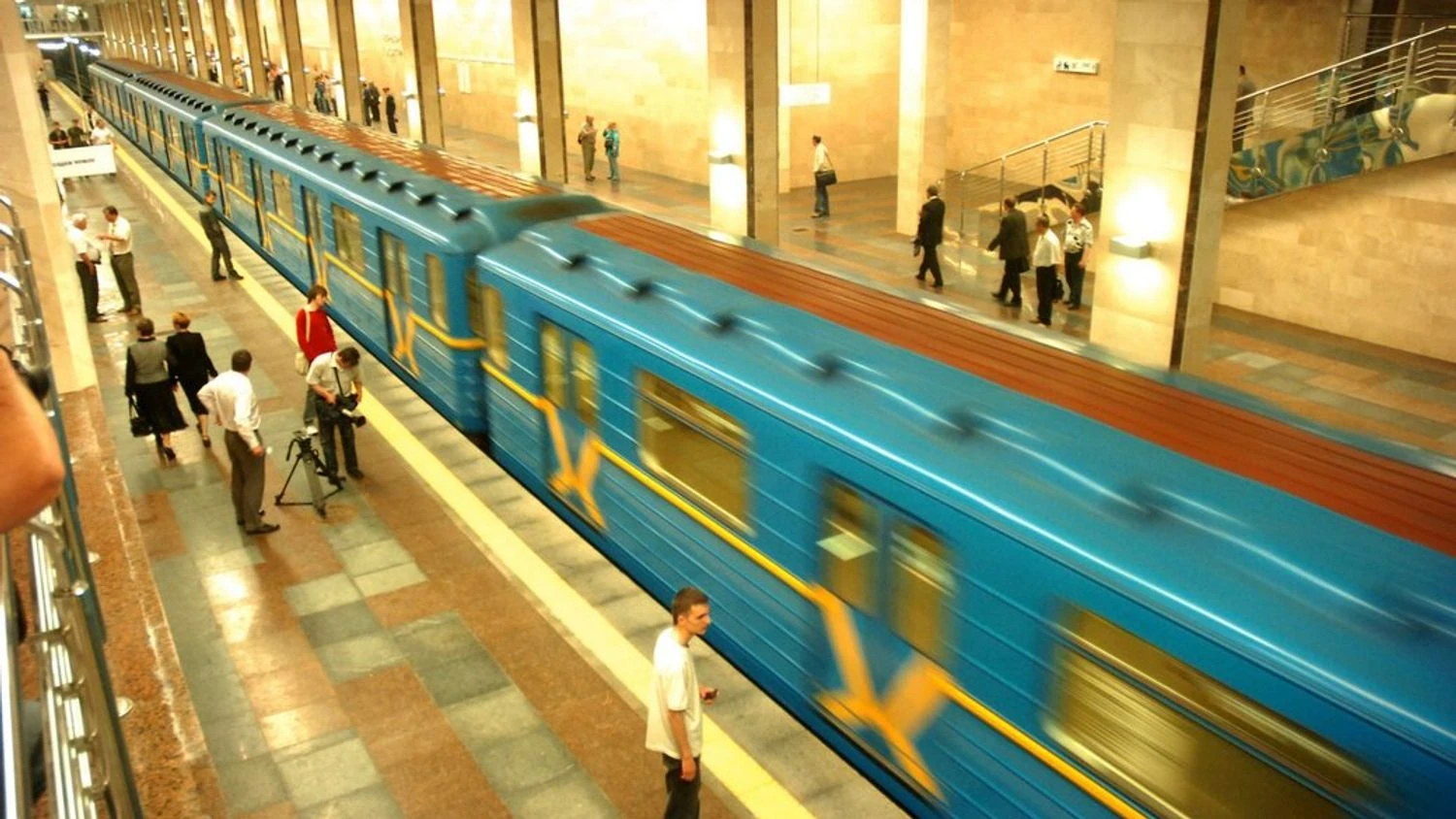
UNN, citing the official Kyiv portal, reports: on Wednesday, January 1, and Thursday, January 2, 2020, the Kyiv Metro is changing its schedule on all three lines. The reason is a forecasted decrease in passenger traffic during the New Year holidays.
Details of changes
January 1: in the morning peak hour the interval between trains will be 3–4 minutes; after the peak — about 5–6 minutes. January 2: trains will run at 3–4 minute intervals throughout the day. January 3–4: the usual weekend schedules will apply — 6–7 minutes.
"On January 1, in the morning peak hour the interval between trains will be 3–4 minutes. After the end of the peak hour and during the day the waiting time for a train will be about 5–6 minutes. On January 2 trains will run at 3–4 minute intervals throughout the day, including during the morning and evening peak hours. On January 3 and 4 the usual weekend train schedules will operate — 6–7 minutes"
— Municipal Enterprise "Kyiv Metro", official statement
Why this matters
The decision is driven by practical needs: reducing unnecessary runs on low-demand days saves energy resources, technical assets, and staff reserves, while maintaining transport availability during key hours. It is an example of how city infrastructure adapts to citizens' behavior during the holidays.
Social context
At the same time, it is reported that under the "3000 km Across Ukraine" program about 40,000 tickets have already been purchased — a sign that some holiday travel has shifted to intercity routes, which also affects metro passenger flows.
What it means for passengers
Practically, this means slightly longer waits outside peak hours (5–6 minutes on January 1) and a consistent presence of trains during periods of high demand. We recommend following official announcements from the municipal enterprise in case of further adjustments.
Conclusion
Not an emotional cutback, but an operational optimization: this is how the city reduces costs and maintains service during the holidays. Whether this approach becomes standard practice for future holidays will depend on passenger behavior and the operator’s operational data.