Youth Council at the Bilohorodka Village Council
Today we are creating a new, self-governing Ukrainian republic of the future. A republic that relies on self-governing territorial communities and on active, conscious citizens who strive for positive change and are ready to engage in necessary actions.
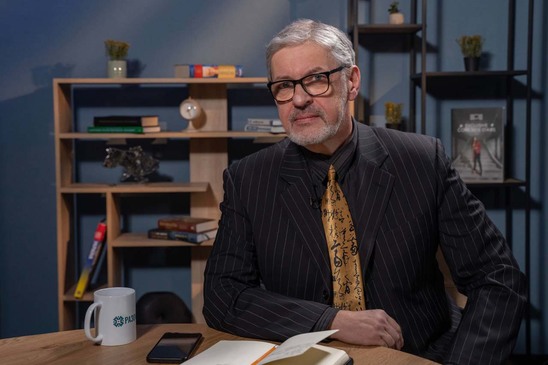
By Oleg Bazylewicz
November 15, 2025 · 3 min read
Today we are creating a new, self-governing Ukrainian republic of the future. A republic that relies on self-governing territorial communities and active, conscious citizens who strive for positive change and are ready to engage in necessary actions. We aspire to an Ukraine where the voices of all citizens are heard. An Ukraine where active citizens have the experience to influence decision-making. Gaining such experience should not be postponed "for later." It can begin from a young age.
Youth Councils
Youth councils are advisory and representative bodies on youth policy that are established at the village, settlement, and city levels. The main task of such councils is to facilitate the interaction between the executive bodies of local self-government and the youth of the territorial community. In simpler terms, these councils are created so that the voices of young people are heard by local self-government bodies, and the specific needs and interests of young people in the community are taken into account in decision-making.
It is no secret that young people are a rather specific group that can significantly differ from other age groups in terms of worldview, and especially in terms of aspirations, fears, and hopes – all those things that adult leaders of various levels may simply not understand, not see, or overlook due to their own age-related characteristics.
Stakeholders
A certain contradiction arises. We understand that future adults are the current youth, and that the future belongs to those who are young today. However, important decisions made today that shape this future are formed by "conditionally adult" representatives of older age groups. This is not about competence, but about the issue of full representation of key stakeholders.
In English, there is a multifaceted term – stakeholders. Regarding decision-making, "stakeholders" are those people whose lives and well-being are directly affected by these decisions. In other words, they are directly concerned, interested parties who have to live with the consequences of decisions. Therefore, the youth council ensures full representation of the youth of the community in setting and discussing issues that are important to young people.
It may seem that how can a young person, or even a youth council, advise adults, experienced individuals who are believed to "know better." But this is about full representation and communication. It is important that the youth of the community can propose initiatives and have an advisory voice in setting and discussing important issues. Because youth are the main stakeholders, especially in matters concerning the long-term development of the community. And stakeholders have the right to have their voice.
The Community of the Future
A community can only be full and self-governing when there are active, conscious citizens. The youth council is the platform that provides young people with the necessary experience in discussing important decisions, setting tasks, and forming initiatives, communicating with other "stakeholders," and interacting with local self-government bodies as well as public officials in the field of youth policy.
Working in youth councils fosters the development of leadership skills, communication abilities, and understanding of the principles of government operations, preparing youth for effective civic engagement. It can be considered that the youth council is a form of initiation, a civic maturation of a young person.
The youth council is a school of active citizenship. It is from the graduates of this school that future employees of local self-government bodies, local activists, opinion leaders, and influencers will be recruited. From these young people, a social "support framework" for community development will be formed – the most active, passionate layer of the community that will lead the community and drive it forward in the future.
Youth Council at Bilohorodka Village Council
- According to the Ministry of Youth and Sports, as of December 2024, 613 youth councils have already been established in Ukraine.
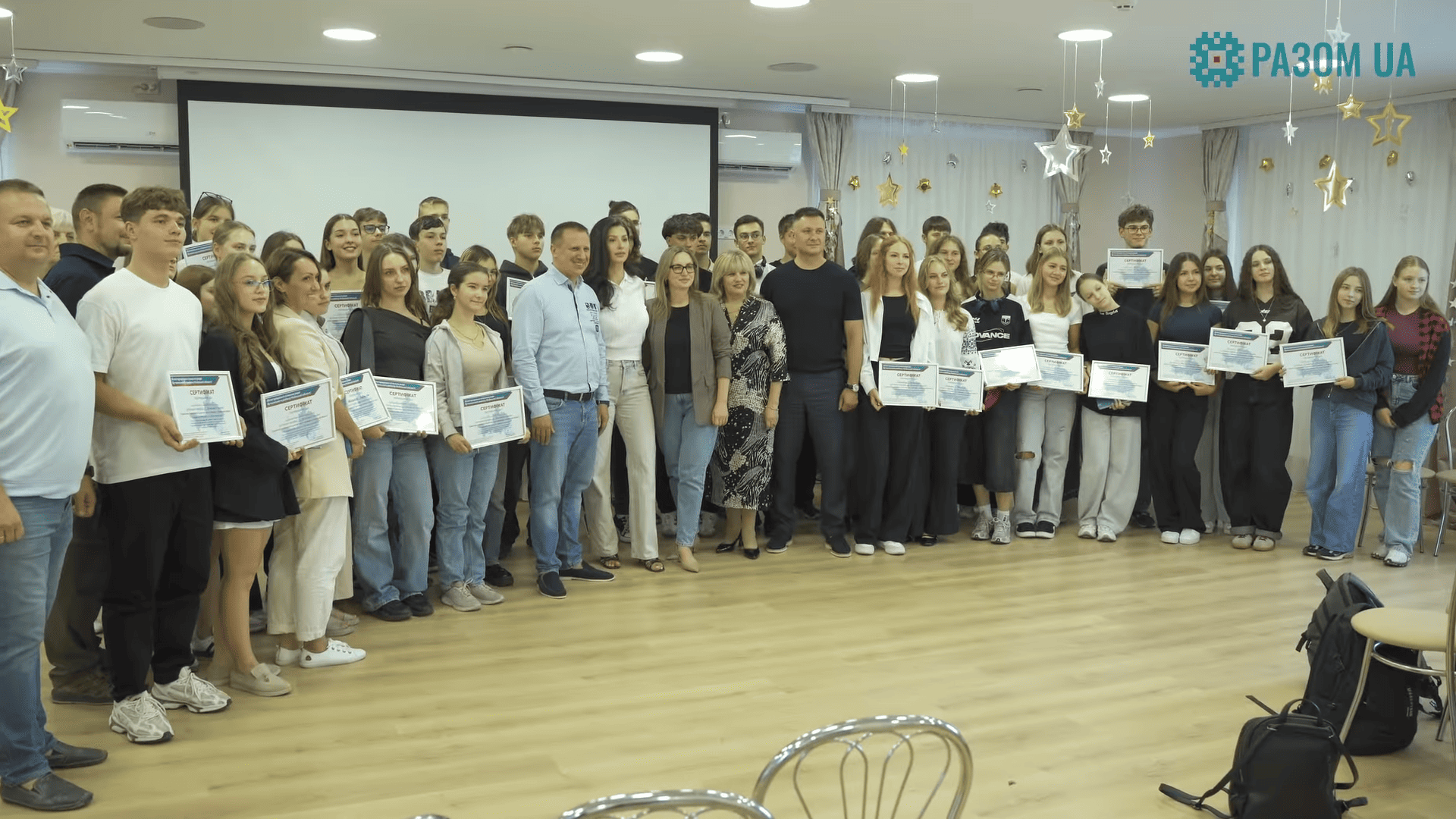
One such council is the Bilohorodka council. It was created to interact with local self-government bodies, represent the interests of youth in forming relevant decisions, and address issues related to the lives of young people and their participation in all areas of community life, as well as organizing and conducting youth events and informational-educational work among youth.
"Over time, they will replace adults in decision-making and responsibility for the future of the community," – with these words, Anton Ovsienko, the head of the Bilohorodka village, is hard to disagree.