New housing for IDPs in Kyiv region: regional authorities sign memorandum with charities
Kyiv region is expanding its program to provide housing for internally displaced persons. The head of the Kyiv Regional Military Administration, Mykola Kalashnyk, signed a memorandum with the charity "Housing for IDPs," which will launch new building reconstruction projects in several communities across the region.

By Tetiana Suchkova-Ladik
December 19, 2025 · 2 min read
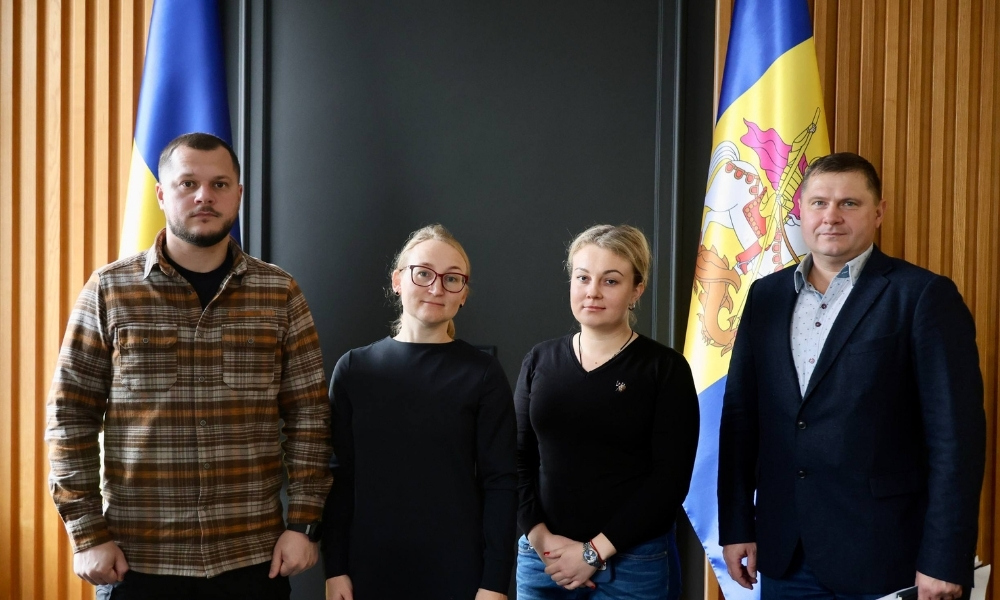
The Kyiv Regional Military Administration (KOVA) has officially formalized a partnership with the charity "HOUSING for IDPs". KOVA head Mykola Kalashnyk signed a memorandum that specifies exact addresses and the scope of upcoming works. The main principle is not merely to provide a roof over people’s heads, but to create a space for full life and integration into new communities.
Geography of restoration: where will new homes appear?
The cooperation is built on the principle of giving a "second life" to abandoned or non-residential buildings. This approach allows housing to be put into operation faster and makes rational use of community resources. Key projects for 2025–2026:
- Stavyshche settlement: start of reconstruction of a building that will house 40 modern apartments.
- Zavorichi village (Kalytian community): conversion of a former dormitory into homes for 38 families.
- Byshiv village: adaptation of non-residential premises into a multi-apartment building for dozens of families.
Importantly, this is not the first successful experience of such cooperation. In 2024, a similar project in Irpin already allowed 19 families to receive the keys to their own homes. The new initiatives scale up this successful model.
Real numbers and challenges
Today, more than 234,000 internally displaced persons are registered in the Kyiv region. Among them are 48,000 children and over 10,000 people with disabilities. Although more than 1,700 places for accommodation have been created in the region since the beginning of the year, real demand remains colossal.
Mykola Kalashnyk emphasizes that the region is seeking support not only from charities but also from international business. An example is cooperation with the Italian company Novello, which specializes in rapid ecological construction. The combination of different formats—from reconstruction to the quick erection of eco-houses—will enable the region to provide stability for those who need it most.
"Housing is a basic right to security and the first step toward a stable future. We are working to make the Kyiv region for every family not just a place of evacuation, but a real new home."
— Mykola Kalashnyk, head of KOVA
Expanding the housing stock is not only about square meters, but also about a boost to local economies, new jobs and social cohesion in difficult times.