New risks at "Nova Bucha": How a developer's systemic error has put thousands of residents on the verge of losing power
In Bucha, where life is actively being revived, an acute social conflict has erupted over electricity supply. Thousands of residents of the condo association "Nova Bucha-1" have been left hostage to the developer's temporary schemes, unpaid debts and bureaucratic delays. Although power is currently being supplied as normal, the risk of disconnection remains critical, prompting urgent intervention by city authorities.

By Tetiana Suchkova-Ladik
December 16, 2025 · 2 min read
Hostages of a temporary scheme: a problem that goes beyond the contract
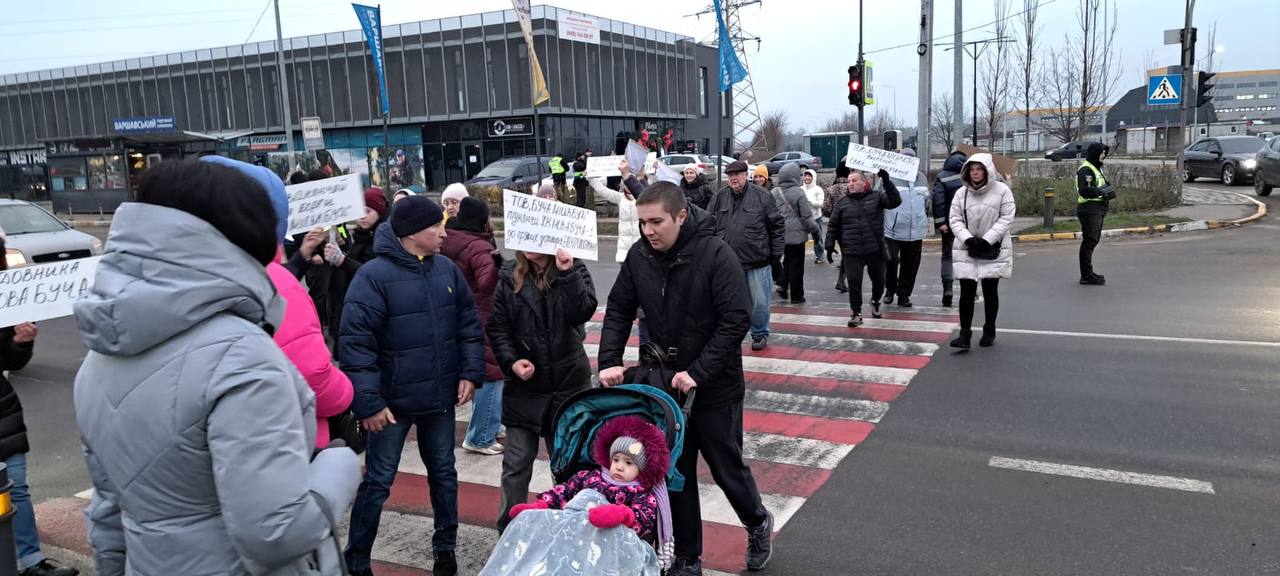
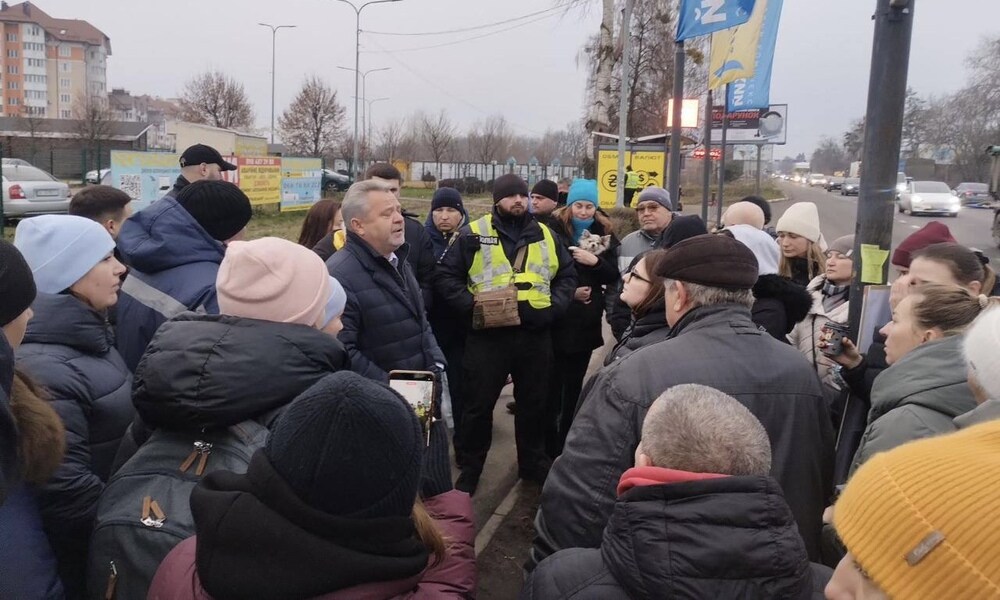
A peaceful rally of residents of the apartment buildings of the HOA "Nova Bucha-1" drew attention to a fundamental problem that often arises in the new construction sector. Bucha City Council, while emphasizing that the issue of power supply is a matter of contractual relations between the HOA, the developer and the supplier (DTEK), recognized the high social significance of the situation.
That is why, lacking direct powers, the city council took on the role of mediator. This is a necessary step to protect citizens from the consequences of systemic shortcomings that arose already at the stage of construction and the commissioning of housing. Joint efforts are needed to quickly find a way out, because at stake — the comfort and safety of thousands of families.
Risk analysis: debts and "Ukrzaliznytsia"
The situation that has developed has two main, interrelated causes that create a threat of supply restrictions:
- Critical indebtedness: According to current legislation, the existence of a consumer's debt to LLC "DTEK Kyiv Regional Electric Networks" (the distribution system operator) is a direct basis for applying sanctions, up to disconnection. This is a risk that requires immediate resolution.
- Unfinished connection scheme: The main systemic error lies with the developer. The housing was connected to the electrical network under a temporary scheme by laying a line from the networks of JSC "Ukrzaliznytsia". However, the procedure for approving the transition to a permanent connection scheme has still not been completed. This creates legal uncertainty and is a ticking time bomb for residents.
This practice of developers using temporary schemes, which then shifts responsibility onto residents and local authorities, is unacceptable and requires strict oversight.
Step-by-step rescue plan: restoring order
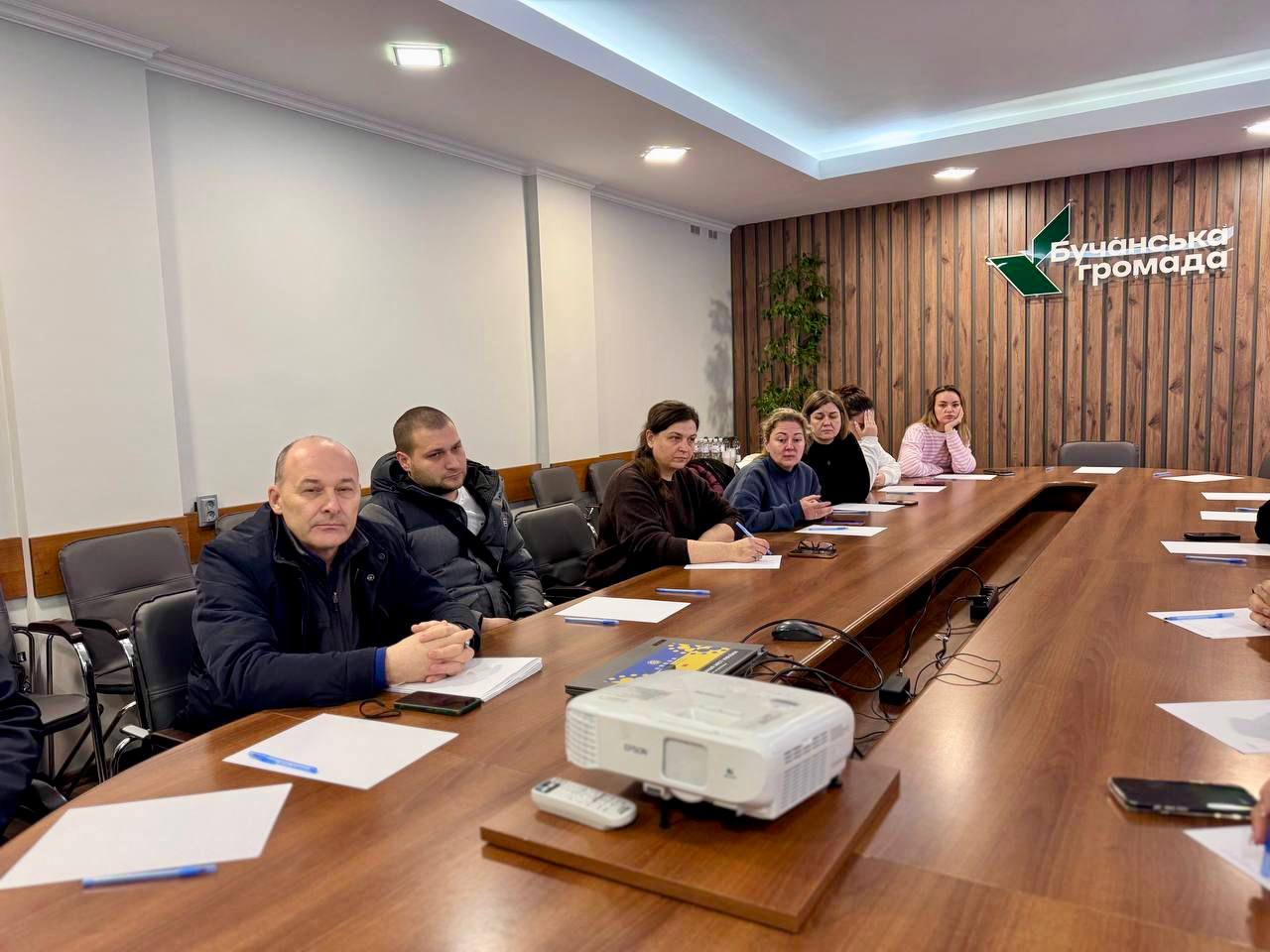
To resolve the crisis, Bucha City Council initiated an urgent working meeting. Representatives of the HOA, the developer and DTEK are to sit at the negotiating table. The purpose of this meeting is not simply to defer the problem, but to develop a clear step-by-step action plan that will ensure stability for citizens:
- Repayment of the existing debt;
- Fulfillment of all technical conditions;
- Completion of the procedure to transition to a permanent power supply scheme.
The results of the meeting and subsequent steps will be reported by the city council additionally. This should become a precedent that will force developers to take their obligations to the community more responsibly.