One train between "Livoberezhna" and "Arsenalna": how the Kyiv metro will operate during emergency power outages
Kyiv City State Administration reports: due to emergency power outages, only one train will operate between the left and right banks at 20–25 minute intervals. We explain what this means for travel and the safety of Kyiv residents.

By Tetiana Suchkova-Ladik
January 9, 2026 · 2 min read
Briefly and to the point
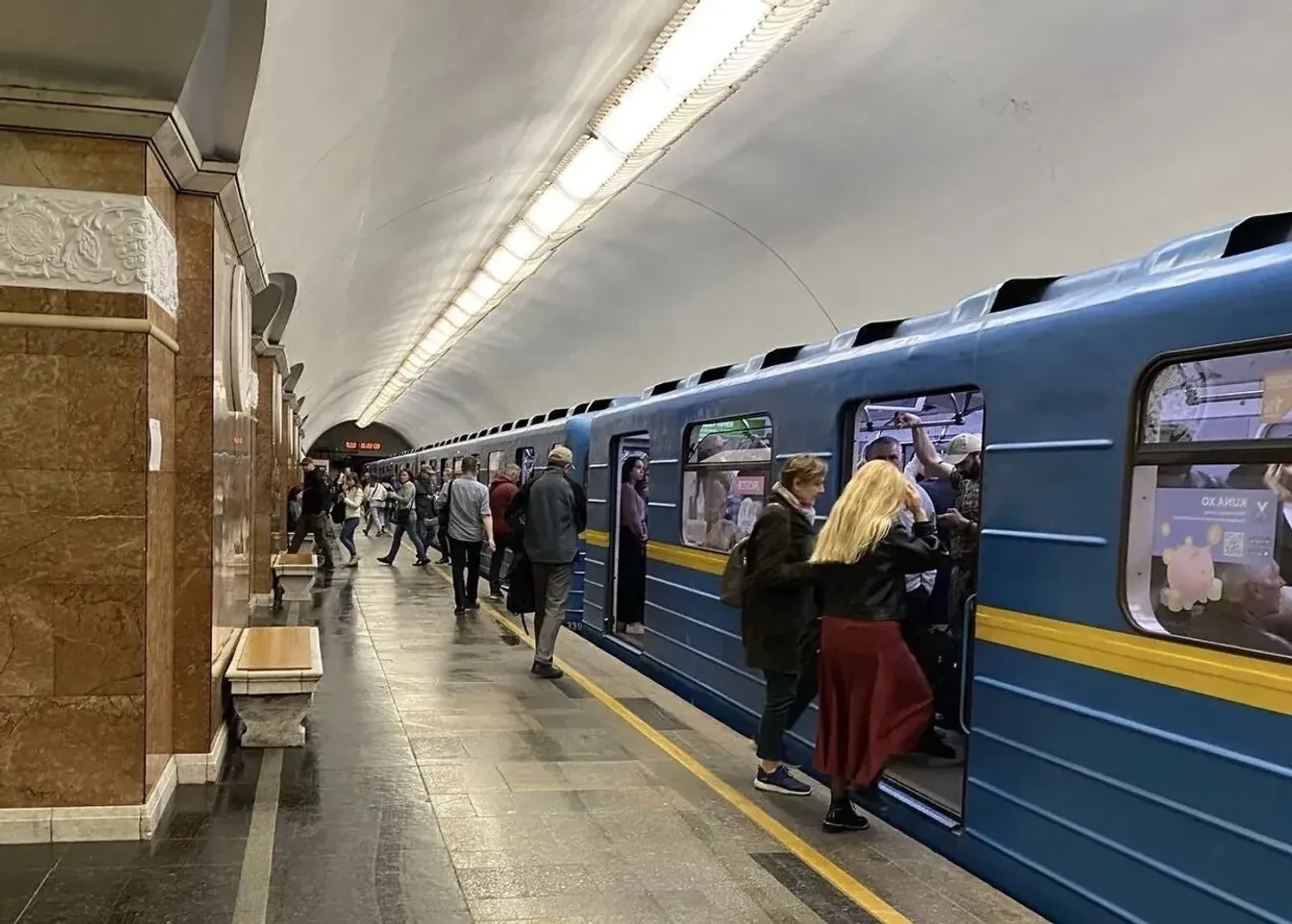
The Kyiv metro has temporarily changed operations between the left and right banks of the city due to power supply problems following a massive attack by Russia. According to the KMDA (via UNN), one train will run between the stations «Livoberezhna» and «Arsenalna» to carry passengers at an approximate interval of 20–25 minutes.
What exactly is changing
The train will run without stopping past the stations «Hydropark» and «Dnipro», meaning these stations are temporarily excluded from the direct cross-river route. Passengers are advised to use the metro only when necessary and to plan their trips in advance.
“Between the stations 'Livoberezhna' and 'Arsenalna' one train will run to transport passengers from the left to the right bank given the current power supply situation. The approximate interval is about 20–25 minutes.”
— KMDA (statement relayed via UNN)
Why — briefly about the reasons
After massive attacks on the power system, energy workers are forced to implement emergency outages; priority is given to critical infrastructure — hospitals, heating and water supply, and pumping stations. In these conditions the metro is optimizing operations to minimize risks to passengers and to ensure the uninterrupted functioning of key sections of the network.
“Information about changes in service will be broadcast at stations and also via the official pages of KMDA and the metro.”
— KMDA
What passengers should do
Plan trips taking the extended interval into account; if possible, choose surface transport or postpone travel. Follow official updates from KMDA and the metro: information about service will be broadcast at stations and online. Respecting the rules and being patient today contributes to safety and a faster return to normal city life.
Context
This temporary adjustment of service is an example of how the war affects daily infrastructure: not only the front, but also the power system and transport require coordinated actions. The work of energy and transport workers now is a matter not only of comfort but of the safety of Kyiv’s residents.
Follow the official channels of KMDA and the metro — they remain the most reliable source of operational information.