After reviewing 60 reports: Irpin approved the second tranche under the "eRecovery" program
The Irpin City Council commission reviewed 5 interim and 55 final reports and approved payment of the second tranche of compensation — what this means for families already rebuilding their homes.

By Tetiana Suchkova-Ladik
March 16, 2026 · 1 min read
Review and decisions
Today the commission of the Irpin City Council on compensation payments under the state program “eVidnovlennya” reviewed a total of 60 reports — 5 interim and 55 final — and approved the payment of the second tranche of cash compensation for housing reconstruction.
"In addition, the commission approved the payment of cash compensation for housing reconstruction (the second tranche). This is an important stage for a family that has already begun construction and will now be able to continue the work."
— Serhii Kanyura, Deputy Mayor of Irpin
What this means for families
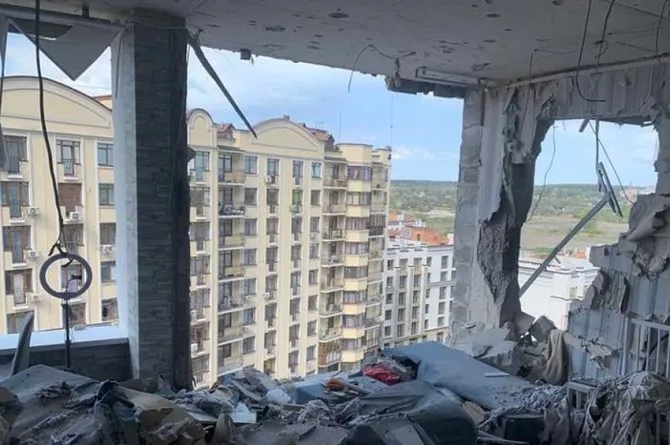
The commission's decision is not a formality: it allows families that have already begun restoration to receive funds to continue the work. For people whose homes were damaged or destroyed during the war, this is often a matter of completing fundamental stages — demolition, walls, roofing, or finishing work.
Context and next steps
The “eVidnovlennya” program is a state mechanism designed to turn expert conclusions and reports into real payments. The decision of this commission is part of the procedure for verifying documents and confirming completed work. Now the key issues are prompt processing of payments and control over the targeted use of funds, so that the money reaches those who need it as quickly as possible.
This is an example of how local administration and state programs can together ensure the restoration of everyday life and security for thousands of Ukrainian families. The next question is how quickly the practice will turn into lasting results on the ground.