Over 200,000 Kyiv residents kept warm as 211 mobile "Points of Invincibility" from the State Emergency Service keep the city running during power outages
When the enemy strikes the energy infrastructure, the response is not rhetoric but logistics. How the State Emergency Service’s network of mobile centers is providing heat, food and safety to Kyiv residents right now.

By Tetiana Suchkova-Ladik
February 10, 2026 · 2 min read
Relief network in operation
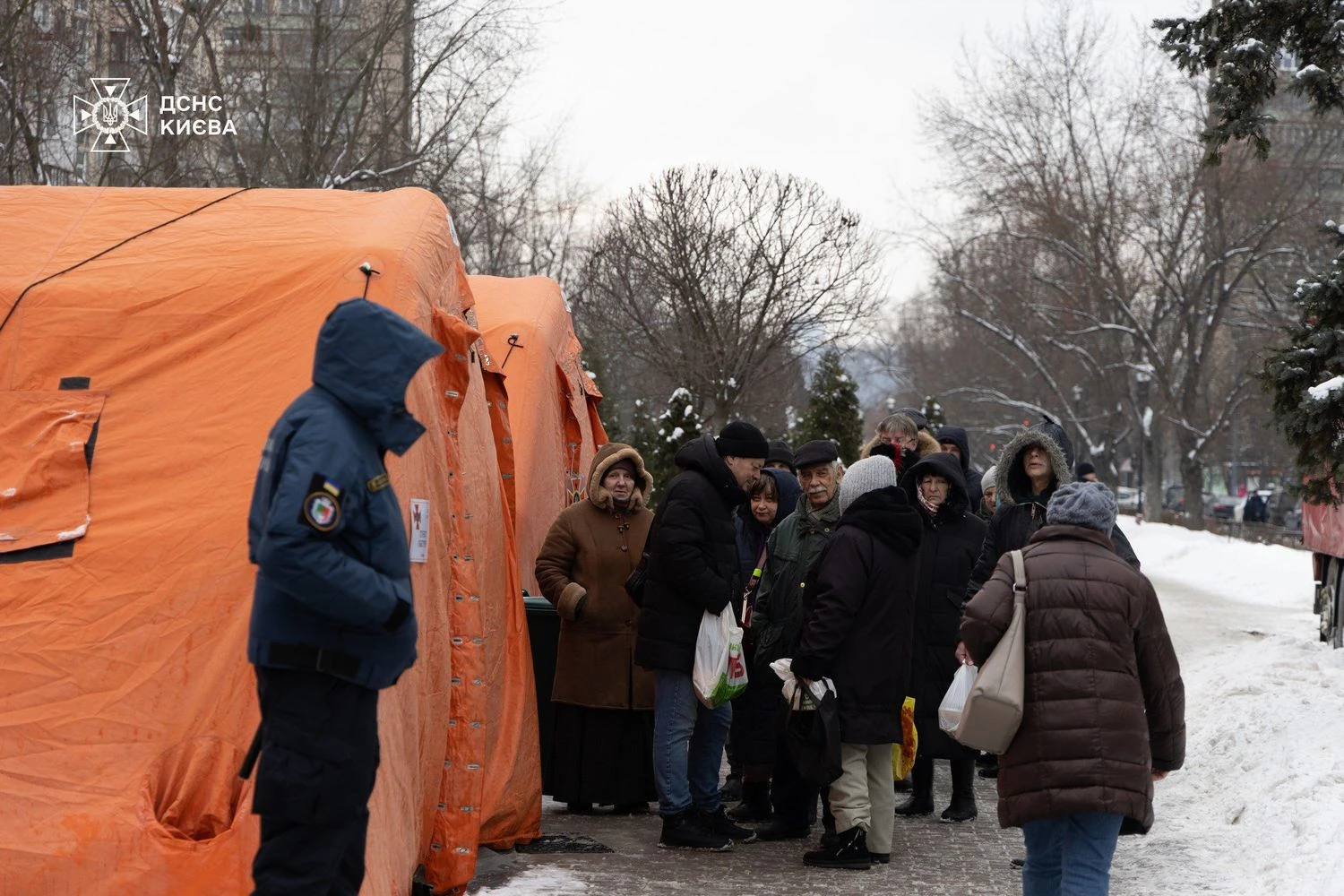
In the capital, 211 mobile Points of Invincibility are operating continuously, deployed across 108 locations. According to the State Emergency Service of Ukraine and reports from UNN, more than 200,000 Kyiv residents have used these services since they began operating. The points provide hot tea, warm food, a place to rest and necessary assistance from rescuers and volunteers — basic services that genuinely reduce risks during power outages and cold spells.
Why this matters
Attacks on energy infrastructure are a deliberate tactic that strikes at the resilience of civilian life. Points of Invincibility are not a headline-grabbing show but an operational survival infrastructure: they ease the burden on hospitals, give people warmth and food, and buy time for network restoration.
"The Points of Invincibility continue to operate around the clock, meeting people's basic needs and creating a safe support space for everyone who needs it."
— State Emergency Service of Ukraine, press service
South: rapid dispatch of aid after strikes
As a result of overnight strikes on the energy system in Odesa region, more than 95,000 residents were left without electricity; in Kiliya roughly 9,000 people are without gas and heating. Headed there are: 7 powerful generators for critical infrastructure, 8 high-capacity heaters for immediate warming, 5 field kitchens and an additional 10 aid points. The State Emergency Service stresses that, if necessary, the volume of assistance will be increased.
What this means for Kyiv residents and the country
These figures are not abstract. They show how state and volunteer logistics operate under pressure: rapid coordination of equipment, people and resources keeps the city functional. For a resident, it is a concrete place to go for help; for the system, it is a test of the scale of response.
Conclusion
The network of Points of Invincibility does not replace the restoration of the power system, but it mitigates the effects of attacks and buys time for repairs. The next question is whether it will be possible to swiftly scale up assistance in the south and preserve service availability in the event of new strikes. The answer will determine how resilient civilian infrastructure remains in the coming cold weeks.