More than 600 aid packages in Irpin: how the community and international partners support IDPs and low‑income residents
When people leave their homes, it's not loud declarations but systematic work on the ground that matters. The Irpin community, together with the UN and charitable organizations, distributed more than 600 kits of essential supplies — we explain who is behind the logistics and why this matters for the region's stability.

By Tetiana Suchkova-Ladik
March 27, 2026 · 2 min read
What was done
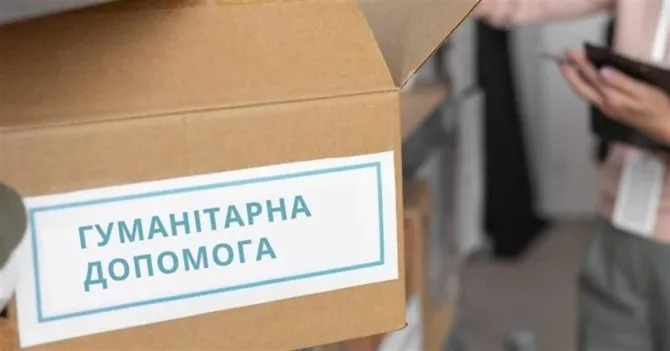
In the Irpin community, low-income families and internally displaced persons received more than 600 kits with essential items. The distribution took place at three locations simultaneously: the hubs of the charitable foundations “For Ukrainians” and “Foundation of Good Deeds,” and in the premises of the Lozno-Oleksandrivka settlement military administration.
Partners and scale of assistance
This wave of deliveries complemented an earlier one — in February, eligible groups and the community’s IDPs received 350 warm kits and essential goods as part of a pilot project from the UNHCR. Altogether this amounts to about 950 aid items, which significantly eases the daily life of many families in a community that ranks among the top three in Kyiv Oblast for the number of hosted displaced persons.
“Our community is among the top three in Kyiv Oblast that have become home to people forced to flee the war. We were prepared for this and we search daily for new ways to support them. On behalf of the Irpin community I thank the UNHCR team and the Charitable Organization ‘Coordinating Humanitarian Center’ for such necessary assistance for our people! I also thank the Ministry of Social Policy, the Kyiv Regional Military Administration, the Council of Volunteers under the Kyiv Regional Military Administration (KOVA), the Irpin IDP Council and all the charitable foundations that joined the aid deliveries,”
— Anzhela Makeieva, Acting Mayor of Irpin
Why it matters
Essential assistance is not just about items. It is about reducing social pressure, preserving family incomes and preventing crises at the local level. Effective coordination between local authorities, international agencies and foundations allows for a faster response to needs and makes distribution more transparent.
Where to turn
If you belong to categories in need of assistance or are an internally displaced person, contact:
Diana Bondar, Municipal Non-Commercial Enterprise “Center for the Provision of Social Services” — 0673697256
Alyona Nazarenko, Charitable Foundation “For Ukrainians” — 0989620582
Telegram channel: Charitable Foundation “Foundation of Good Deeds”
What’s next
This is an example of how local coordination and international support produce real results. The next challenge is to turn such operations into a regular system of assistance and accompaniment for IDPs: not only kits, but also access to services, employment and housing. Whether there will be enough resources and attention for sustainable integration is a question for partners and authorities — one to which Irpin is offering a constructive response today.