Service on Kyiv metro's Red Line restored — schedule changes due to energy blockades and what it means for residents
Trains are operating between "Akademmistechko" and "Lisova", but intervals have been changed due to electricity shortages following enemy attacks. We explain how this will affect daily commutes and what steps the city recommends.

By Oleg Bazylewicz
December 27, 2025 · 1 min read
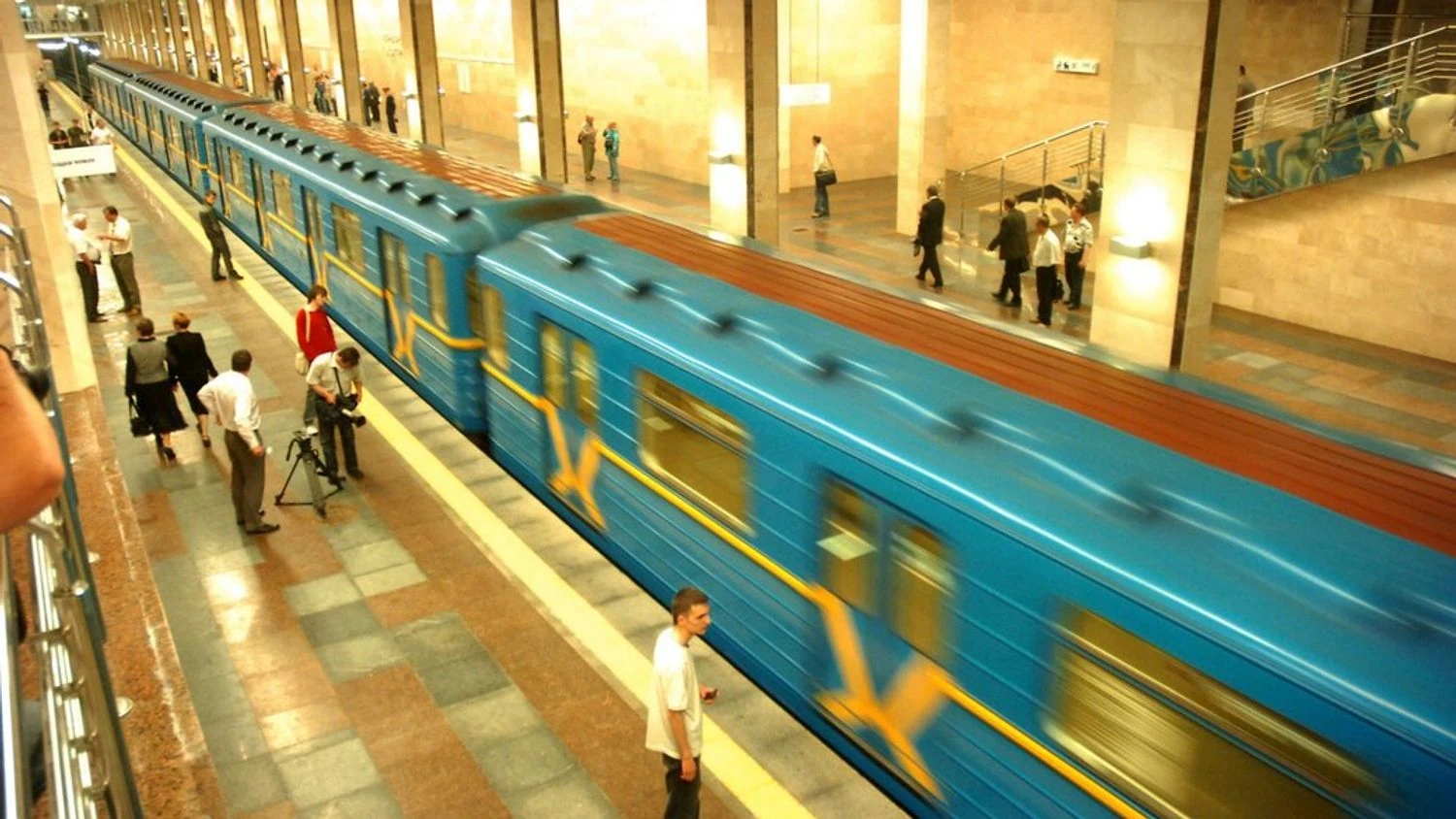
Kyiv Metro has resumed service on the "red" line between the stations Akademmistechko and Lisova. Trains are already running on a revised schedule — city authorities explain the decision by restrictions in power supply following enemy attacks. The information was released by the Kyiv City State Administration (KMDA), and details were provided by UNN.
New service pattern on the "red" line:
- Akademmistechko — Arsenalna: trains every 6 minutes;
- Dnipro — Lisova: interval — 12 minutes.
What happened and why
According to the KMDA, the restoration of service was made possible thanks to the recovery of part of the power supply and organizational measures by the metro. At the same time, the city remains in an adaptation mode: due to a shortage of capacity the schedules have been changed to reduce the load on substations. This information is reported by UNN, citing official sources.
"Metro service has been restored between 'Akademmistechko' and 'Lisova', but due to the difficult situation with power supply the schedules remain modified."
— KMDA
Other lines and advice for passengers
The "blue" and "green" lines are operating normally — with no changes to their schedules. City authorities ask Kyiv residents to plan trips taking into account the extended intervals on the "red" line, arrive at stations in advance and monitor updates on the KMDA's official resources and the metro's accounts.
Practical advice: use alternative routes if necessary, allow extra travel time during peak hours, and check official information before leaving.
Conclusion
This is an example of the rapid adaptation of urban infrastructure to the consequences of attacks: authorities are restoring critical services, but doing so with regard to limited energy capacity. If stress in the power system persists, the metro's operating regime may change again. A question to watch: will the stability of power supply be sufficient to return to pre-war service schedules?