Tram services in Kyiv restored after power outage — what it means for residents
After widespread power outages, trams have returned to Left Bank routes. We explain what work the rescue crews carried out, why trolleybuses are not yet fully back in service, and what this means for every Kyiv resident.

By Tetiana Suchkova-Ladik
December 28, 2025 · 2 min read
Brief — what happened
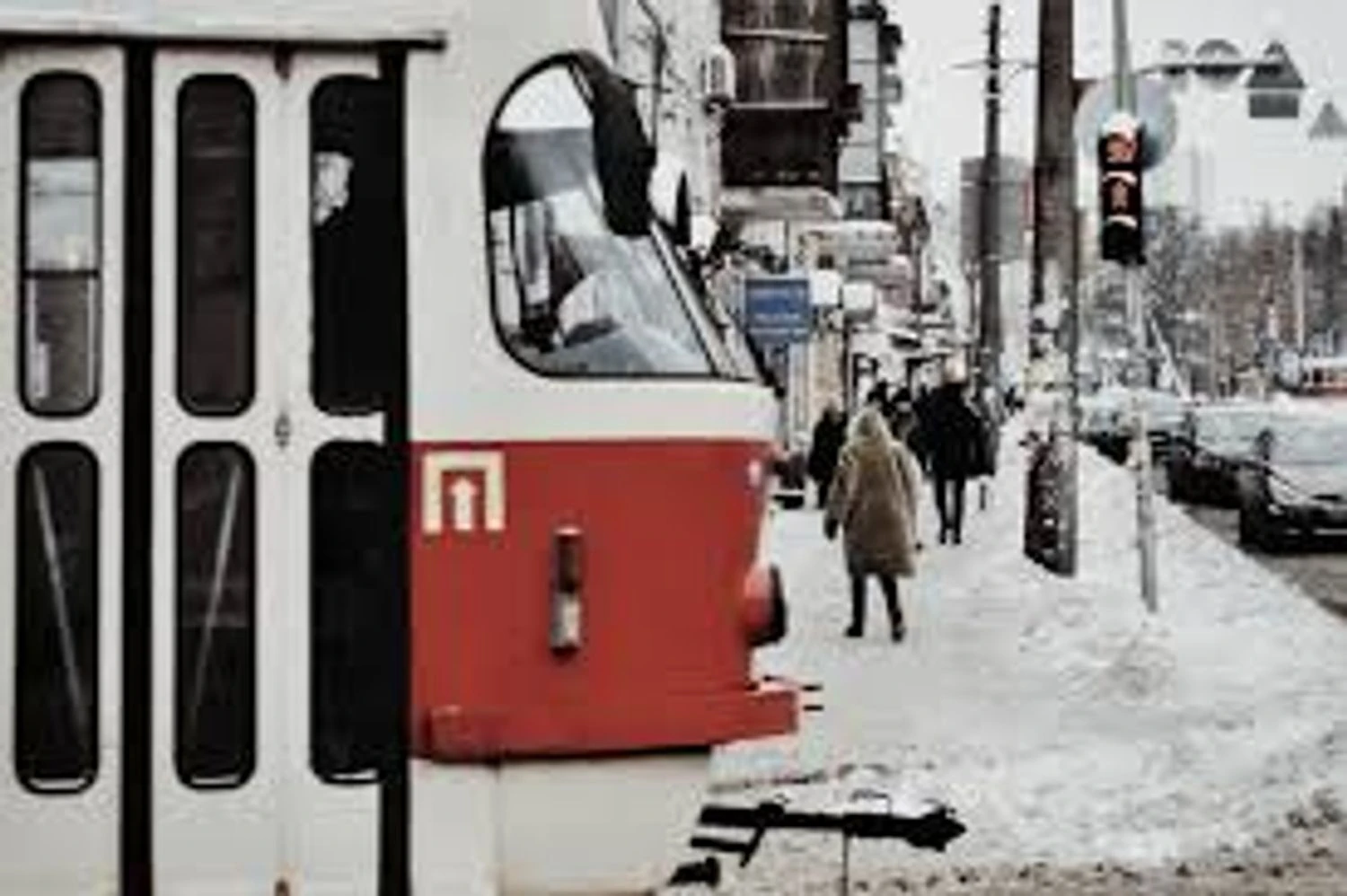
According to the Kyiv City State Administration (KCSA) and Ukrainian National News (UNN), tram service has been fully restored after a temporary power outage on the left bank. Work to restore trolleybus operations continues: city services and emergency crews are working on reconnecting and adjusting the contact network.
"Tram service has been fully restored"
— Kyiv City State Administration, official post
Context: why this happened and how serious it is
Previously, Russian strikes on energy infrastructure left more than 500,000 consumers without power in Kyiv and the region. In the Chernihiv region, more than 22,000 customers remain without electricity. In these conditions, restoration priorities are determined by critical routes and the need to ensure emergency services can operate.
Trams were returned to service as a priority because they serve key transport corridors and guarantee mass mobility for residents even with limited power supply. The trolleybus network requires additional inspections of the contact network and transformer substations, so full restoration may take longer.
What it means for residents
The return of trams is not just about comfort: it restores the ability to get to work, to hospitals, and to support the logistics of key services. For Kyiv residents it reduces pressure on road traffic, eases crowding in the metro, and helps stabilize public life.
At the same time, energy vulnerability remains. City and energy services continue to operate in an enhanced mode, so local restrictions or temporary route adjustments are possible.
Looking ahead
Systematic work by crews, investments in infrastructure protection, and coordination with energy providers are the keys to ensuring such outages have a smaller impact on city life in the future. For now, it is important that transport corridors are being restored and residents are returning to their usual rhythm — a sign of the responsiveness and resilience of urban infrastructure.
Whether this level of preparedness will be sufficient during future strikes is a question for energy and city planners. But today it is important to give due credit to the crews who, amid air-raid threats, are restoring the city's transport.