Fair Light and Safe Roads: How Kyiv Region Is Adapting to Energy Challenges
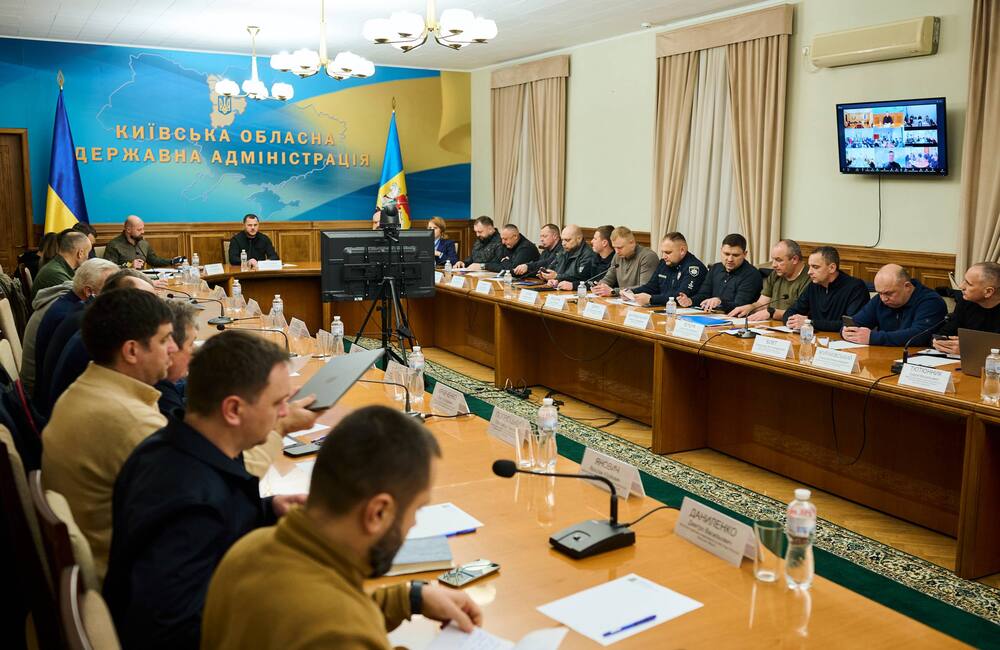
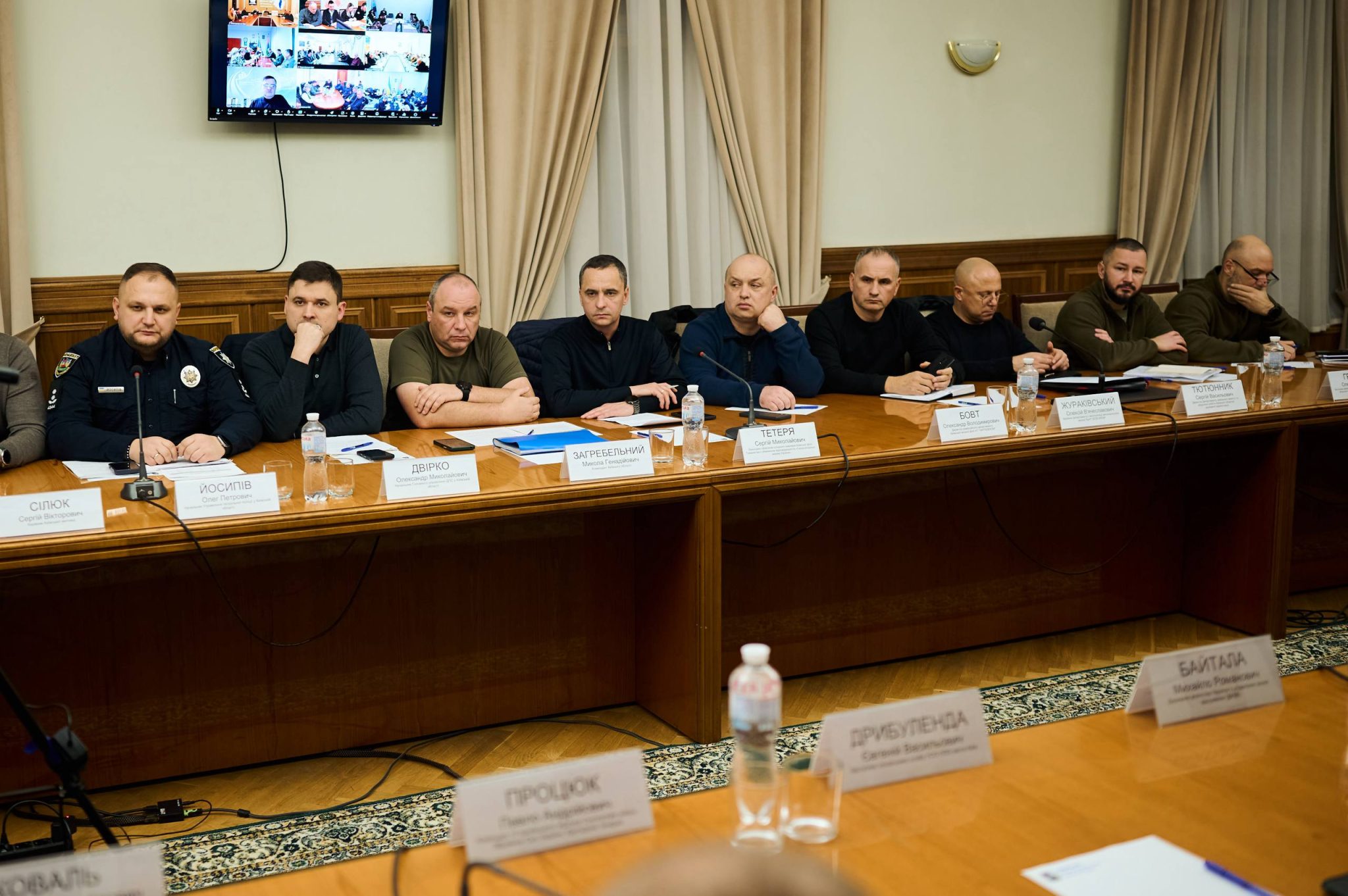
Kyiv region continues to demonstrate resilience in the face of energy terror. At the latest meeting of the operational headquarters of the region’s Defense Council, chaired by Mykola Kalashnyk, key priorities were outlined: recovery after attacks, fair distribution of electricity, and stable communications for every community.

By Tetiana Suchkova-Ladik
December 19, 2025 · 1 min read
Energy justice: megawatts for people
One of the headquarters' main decisions was to review the connections of sub-accounts of critical infrastructure. Now these facilities (if they are not life-critical) have been moved to general hourly shutdown schedules. This freed additional megawatts of capacity for household consumers, ensuring a more even distribution of light in residents' homes across the region.
Special attention has been paid to road safety. With traffic lights going out, the risk of accidents increases, so network operators are actively equipping key intersections with backup power systems. This is critically important in the winter period, when daylight hours are short and weather conditions are severe.
Communications and connectivity: no panic
So that communities are not left in an information vacuum, the Kyiv region is implementing two strategic measures:
- Stable network: Communities are signing agreements with mobile operators to provide generators. This guarantees the operation of communication towers even during prolonged blackouts.
- Direct communication: Local authorities are obliged to clearly inform the population about the causes of outages and realistic timelines for restoration. Transparency with residents is the foundation of stability in the region.
“Our task is not simply to eliminate the consequences of the attacks, but to make the system resilient. Every area, from the operation of traffic lights to the stability of mobile internet, is under the control of the operational headquarters.”
— Mykola Kalashnyk, head of KOVA

Thanks to a systematic approach, the operational headquarters knows exactly which community needs reinforcement and where work has already been completed. This allows resources to be used rationally and helps avoid delays in restoring the region's essential services.