Court returns wing of the Tereshchenko estate to Kyiv — what this means for the protection of cultural heritage
The Northern Commercial Court of Appeal confirmed the decision to return the premises of the Tereshchenko Estate’s annex to Kyiv’s municipal ownership. We examine why this is not only a legal victory but also a test for the restoration and preservation of the city’s cultural heritage.

By Tetiana Suchkova-Ladik
December 17, 2025 · 2 min read
Court’s position and its significance
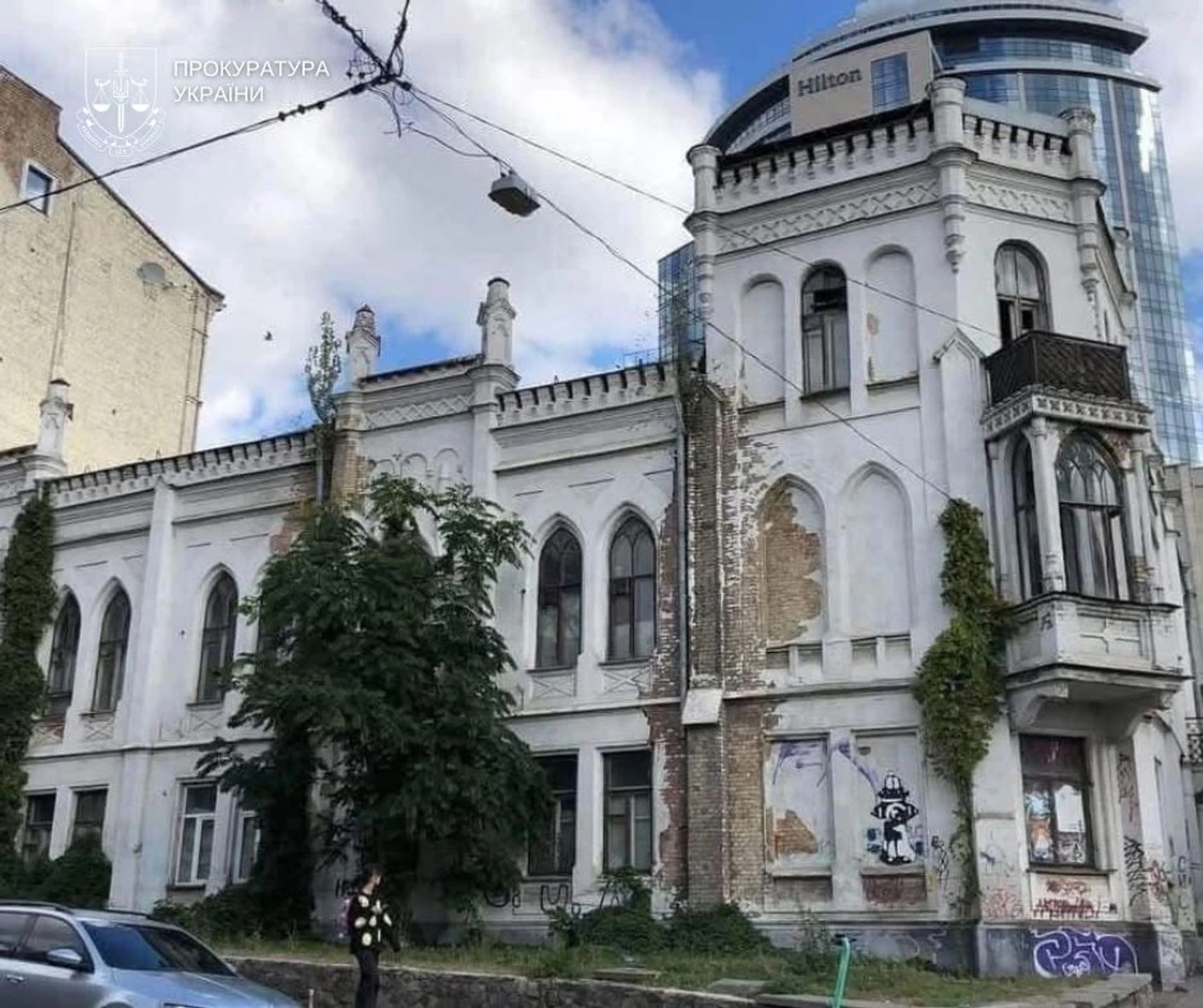
The Northern Appellate Commercial Court confirmed the return of the wing of the Tereshchenko Estate to the communal ownership of Kyiv. The decision upholds the first-instance ruling — a step that has far-reaching consequences for the protection of urban monuments and the restoration of justice regarding community property.
"The Northern Appellate Commercial Court, in the case filed by the Kyiv City Prosecutor's Office, left in force the decision on returning to the territorial community of Kyiv the premises located in the wing of philanthropist Ivan Tereshchenko's estate"
— Kyiv City Prosecutor's Office (reports UNN)
Brief history and the reason for the lawsuit
The Tereshchenko Estate is a late 19th-century architectural monument in the Venetian Gothic style. Philanthropist Ivan Tereshchenko lived and worked here; in 1917–1918 some rooms were used by officials of the Ukrainian People's Republic.
In 2006–2008 a series of transactions resulted in part of the estate being registered to a private entity. As the prosecutor's office established, it did not take measures to restore or preserve the site, so in March the court had already annulled the private owner's title to 158 sq. m of the wing, and earlier the city had been returned the main portion — 1,134 sq. m.
Why this matters to Kyiv residents
First, it is a matter of protecting cultural heritage: monuments are an integral part of the urban space and identity. Second, it sets a legal precedent: the courts have confirmed the possibility of returning unlawfully alienated properties, which is significant for other cases across the country.
Heritage protection experts and lawyers note that the court's decision creates momentum for systematic restoration, but also places concrete tasks on the city regarding financing, technical assessment, and planning of the works.
What's next
The legal aspect of the case is closed for this fragment of the estate: the appeal confirmed the return. The next stage is to turn the court victory into real protection: carry out an expert assessment of the building's condition, develop a restoration project, and find resources for its implementation.
This is also a test for the city authorities and the public: can institutions use the precedent to protect other monuments from wrongful alienation and decay? Will there be enough attention and resources for the Tereshchenko Estate to become not only symbolically, but actually, a restored space for Kyiv?