Kyiv Faces Shortage of Bus Drivers: How It Affects Mobility and What Kyivpastrans Proposes
Public transport is the artery of the capital. When there aren’t enough drivers, it affects passenger flows, schedules and the city’s readiness for peak loads. Kyivpastrans has announced official employment, free training and salaries of up to 40,000 — we examine whether that will be enough.

By Oleg Bazylewicz
January 27, 2026 · 3 min read
Shortage in numbers
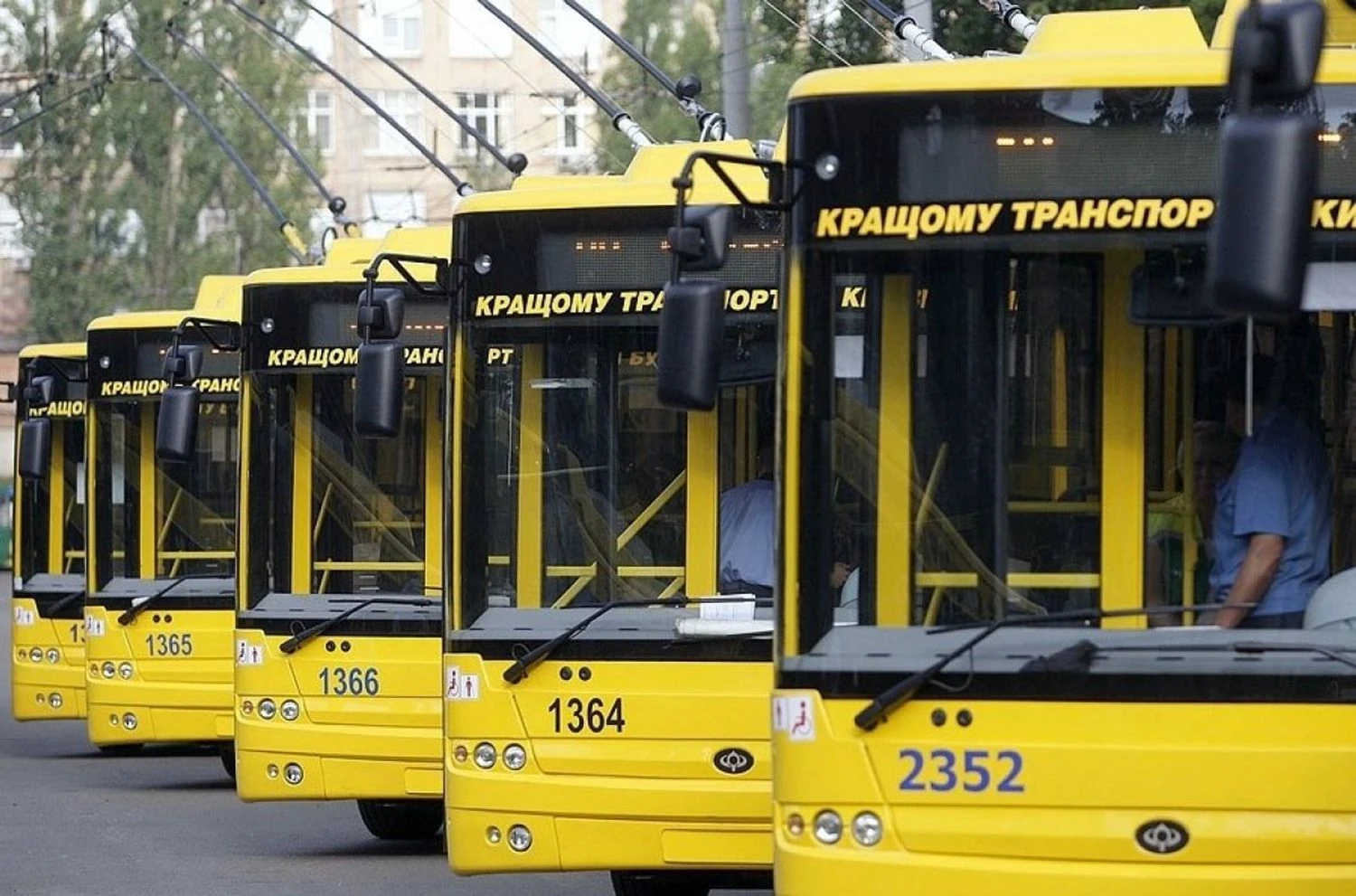
According to KP «Kyivpastrans», the enterprise lacks staff across all types of surface public transport — the most acute need is for bus drivers. Specific indicators are 32% of the requirement for buses, 25% for trolleybuses and 21.6% for trams. These gaps do not disappear with the arrival of spring or changes in schedules — the shortage is systemic, the enterprise says.
"The need for bus drivers stands at 32%. For trolleybus drivers – 25%, for tram drivers – 21.6%. The necessity to increase the number of drivers persists regardless of seasonality. Transport operations are planned taking into account the existing passenger flow and its peak loads. In particular, given the current situation in the energy system of Kyiv, drivers of electric transport who have the appropriate qualifications and the required category of license are temporarily being assigned to work on bus routes"
— Andriy Kovalenko, director of production, KP «Kyivpastrans»
Why this matters for Kyiv residents
Public transport provides the city's mobility and access to work, education and medical services. When drivers are missing, the rhythm of life suffers: departures are reduced during peak hours, load on adjacent routes increases, and the risk of schedule disruption in emergencies grows. For the capital this is not only a matter of comfort but also a question of infrastructure resilience.
What is offered to candidates
The enterprise is responding to the shortage with a package of measures. Key employment conditions include official employment, shift schedules, annual paid leave, the possibility of obtaining exemptions in accordance with legislation, organized transfers and free travel on the enterprise’s surface public transport. They also emphasize openness to employing people with disabilities, provided there are no medical contraindications.
As for pay — preliminary average monthly figures are: UAH 38,556 for bus drivers, UAH 38,140 for tram drivers and UAH 40,277 for trolleybus drivers. At the same time, salary size depends on the driver class, hours worked, type of rolling stock and route.
"At the same time, drivers' salary levels depend on the driver class (I, II, III), hours worked, type of rolling stock, route, etc. KP 'Kyivpastrans' continues to work on strengthening its workforce and ensuring the stable operation of the city's public transport"
— Andriy Kovalenko, director of production, KP «Kyivpastrans»
Training personnel — an investment in safety
Training of new drivers takes place at a separate unit — the Training and Course Complex of KP «Kyivpastrans». The program combines theory and practice on specialized equipment and concludes with a state-standard certificate of a qualified worker. The duration of training depends on the candidate’s level of preparation:
- bus drivers (category D) — 8 weeks (with a category B or C license and driving experience ≥3 years);
- category DE — 4 weeks (with bus driving experience ≥1 year);
- training for tram and trolleybus drivers without experience — 12 weeks.
Training can be completed free of charge by referral from the Employment Center or through the enterprise's internal programs — this is an important channel for replenishing staff.
"The training program includes both theoretical lessons and practical driving on specialized equipment. After completing the training, participants receive a state-standard certificate of a qualified worker."
— Andriy Kovalenko, director of production, KP «Kyivpastrans»
What’s next: challenges and possible solutions
The current offers are competitive: steady pay, social guarantees and free training are strong motivating factors. At the same time, to close a systemic shortage requires a comprehensive policy: retaining experienced employees, fast qualification of newcomers, flexible schedules and logistical support (for example, transfers). Industry experts also point to the need for coordination with the staffing services of the Employment Center and local government programs.
A question to the reader and to the city: can Kyiv turn these temporary measures into a systematic strategy for retaining and attracting drivers? The answer affects not only travel comfort but also the operational resilience of the capital.
Source: interview with Andriy Kovalenko, director of production of KP «Kyivpastrans», enterprise materials.