Thaw in Kyiv increases risk of falling icicles — how to protect your family and car
Warming and southerly winds increase the risk of snow sliding off roofs and ice falling. The State Emergency Service and the Kyiv City State Administration remind people of simple but effective safety rules that can save lives.

By Tetiana Suchkova-Ladik
February 11, 2026 · 2 min read
Quiet but real: why this is worth knowing right now
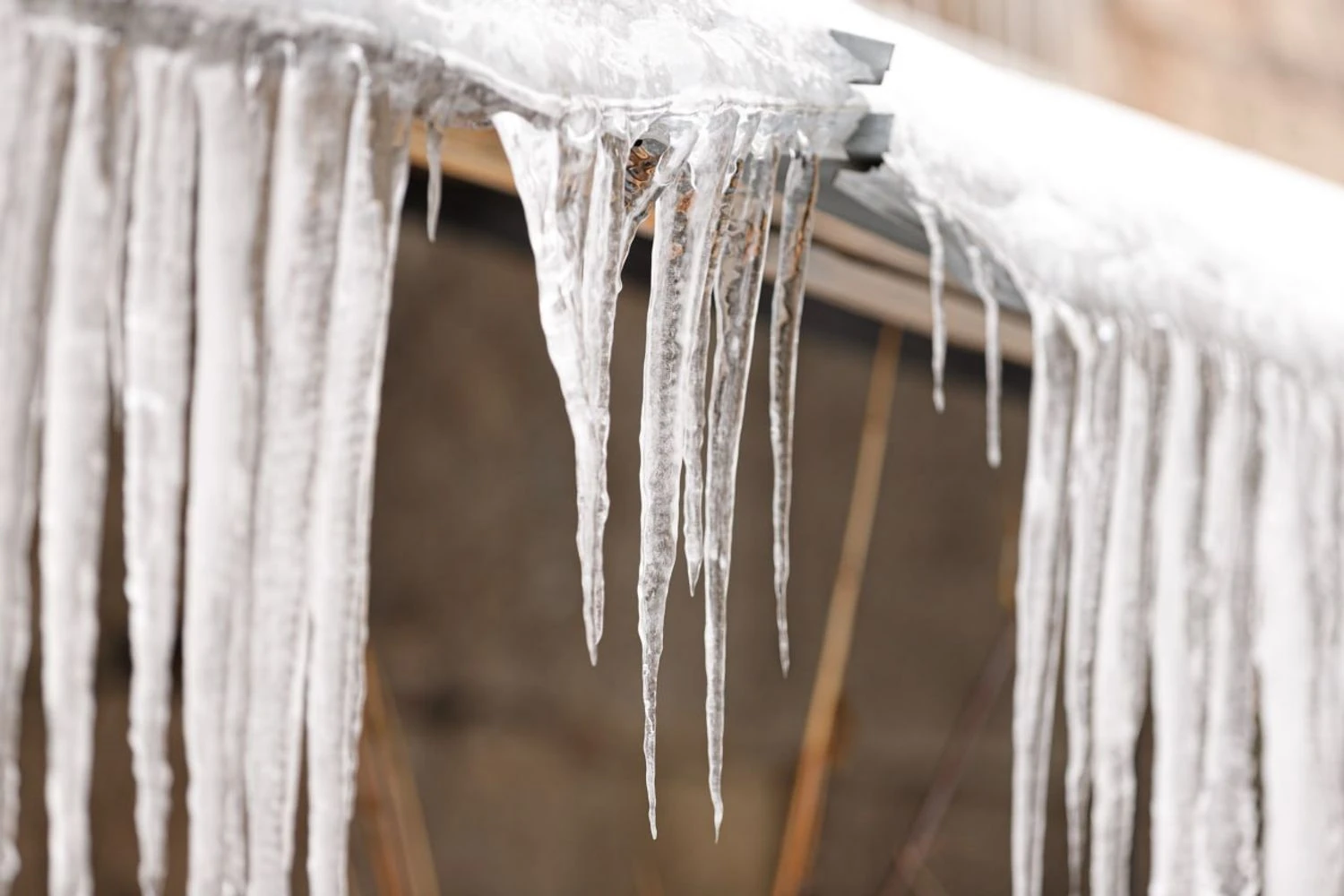
After frosty nights, a brief thaw creates a classic danger — snow on roofs and icicle formations become unstable. This week meteorologists forecast nighttime frosts down to -18 °C, but daytime temperatures in the west and south may rise to +5 °C, and together with a strong southerly wind this increases the likelihood of avalanche-like snow slides and falling icicles in densely populated areas.
Official advice — short and to the point
"Do not stand under building cornices where icicles have formed. Keep a distance of at least 3–4 meters from walls and avoid parking under facades."
— State Emergency Service of Ukraine
What to do on the street — practical tips
Keep your distance: in areas with drifts and cornices, walk around facades at a distance of 3–4 meters, and do not stop under roof overhangs.
Don't look up if you hear a noise: it's better to move quickly and calmly away or press against the longest possible stretch of wall to minimize the area exposed.
Don't park cars right next to buildings: vehicle damage is not the worst consequence; falling ice can cause injuries to pedestrians.
Children and strollers — extra attention
Do not leave children unattended near facades or under eaves. When walking with strollers or sleds, choose sidewalks away from risky sections.
Who to notify and what to do in case of danger
If you see large icicles or roofs prone to snow slides — report them through the official channels of the Kyiv City State Administration (KCSA) or the State Emergency Service of Ukraine (SES). Municipal services have priority work lists, but prompt reports from citizens speed up the response.
Context: how to prevent this systemically
The cause is the combination of freezing temperatures and a sharp thaw. Municipal services and housing managers should clear roofs and install protective barriers, and citizens should adapt their behaviour. This simple cooperation reduces the number of injuries and damages in the city.
A small tip for every resident of Kyiv: share these rules with relatives and neighbours — following simple safety measures today saves not only cars, but lives.
"Following basic rules during a thaw is not panic, but a civilized responsibility toward yourself and those around you."
— experts in urban safety and rescuers
While municipal services work on clearing roofs, our individual vigilance is the simplest and most effective form of protection. Report dangerous areas through the official channels of the Kyiv City State Administration (KCSA) / State Emergency Service of Ukraine (SES) and take care of yourself and your loved ones.