Supreme Court orders demolition of car wash and tire service on the Lybid River — land worth UAH 9 million returned to the community
The February 10, 2026 decision put an end to the court dispute: the Lybid’s riverbank lands cannot be used without permits. We examine what will change for Kyiv’s environment and how this will affect officials’ accountability.

By Tetiana Suchkova-Ladik
February 16, 2026 · 2 min read
Summary of the decision
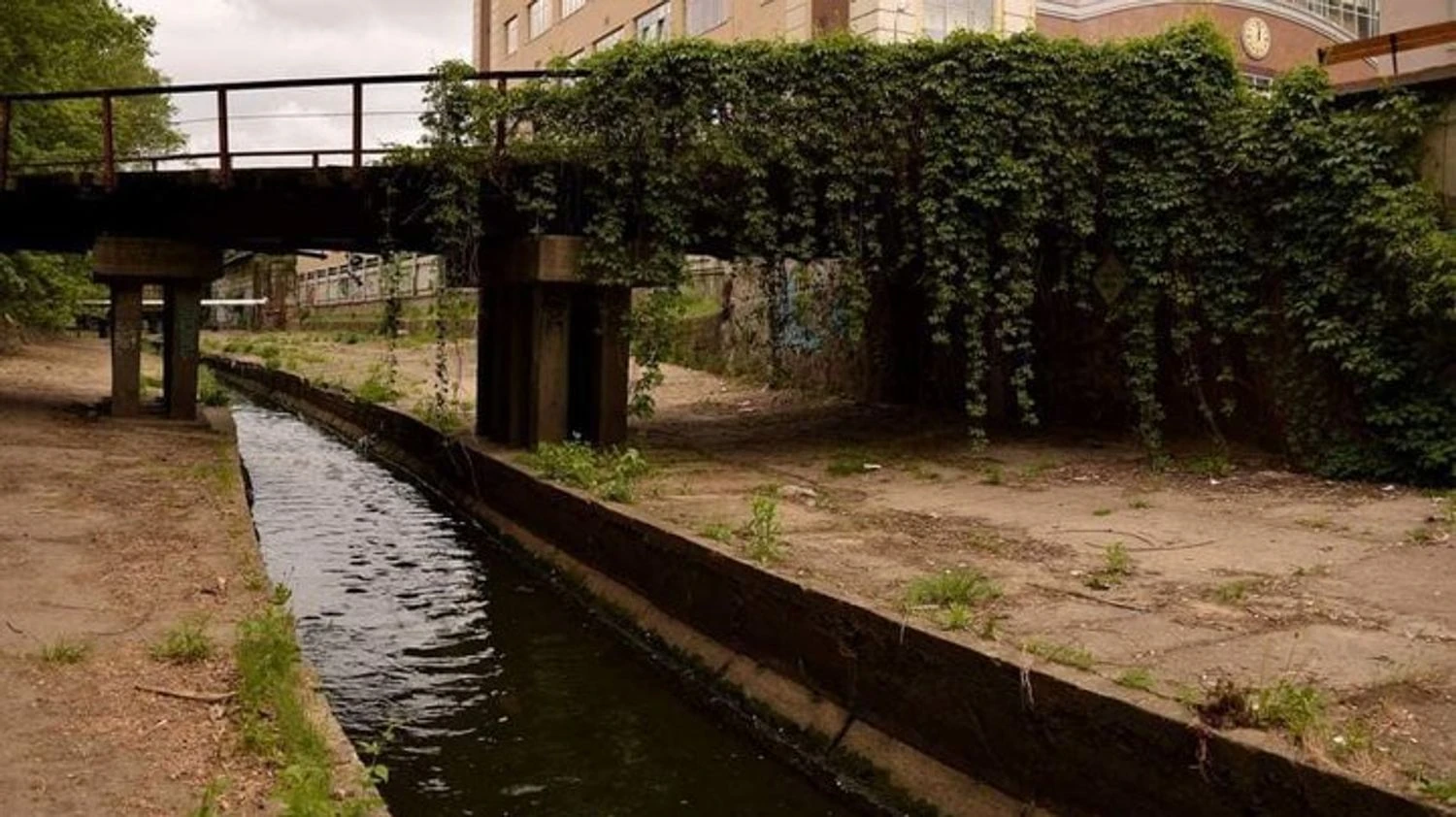
On February 10, 2026, the Supreme Court dismissed the cassation appeal and upheld earlier rulings: permanent structures — a car wash and a tire service — were illegally erected on the protective riparian strip of the Lybid River, with a total area of almost 300 sq. m. According to the Office of the Prosecutor General and UNN, the court ordered the demolition of the structures and the return of the land to the Kyiv community; its approximate value is about UAH 9 million.
"Courts at all levels agreed with the prosecutor's arguments that building a car wash and a tire service on the protective lands of the Lybid River violates land and water legislation and also leads to negative environmental consequences."
— Office of the Prosecutor General
Why it matters
The decision has not only a local but also a systemic dimension. First, it confirms the priority of protecting riparian strips in judicial practice — these zones act as a filter and a shield for urban waters. Second, the verdict aligns with the Concept for the regeneration of the Lybid River in the capital — a step toward restoring the natural environment and minimizing pollution risk.
In addition, the prosecutors' court victory signals increased accountability: illegal use of valuable lands will no longer go without consequences, and returning plots to the community creates opportunities for public projects to restore the riverbanks.
What next
Practical implementation of the decision — demolition of the structures and the physical return of the plot to community control — depends on actions by local authorities and oversight by law enforcement. This is a test of the effectiveness of enforcing court rulings and of the city administration's ability to turn environmental plans into reality.
The decision also fits into a broader context of strengthened oversight of city services: recent proceedings against municipal officials (notably over winter road maintenance) indicate law enforcement's increased attention to efficiency and integrity in city management.
Conclusion
This case is an example of how state bodies and courts can protect public interests and the environment without loud rhetoric, but with concrete decisions. Now the key question is whether the court rulings will lead to actual demolition and restoration of the Lybid's shoreline, rather than remain a formal victory on paper?