Thaw in the metro: wet patches at stations — what's going on and is it safe to ride?
The Kyiv City State Administration explains: moisture at stations is the result of rising groundwater during the thaw and rains. Specialists are monitoring the situation — what passengers should do and what to expect next.

By Tetiana Suchkova-Ladik
March 6, 2026 · 2 min read
What happened
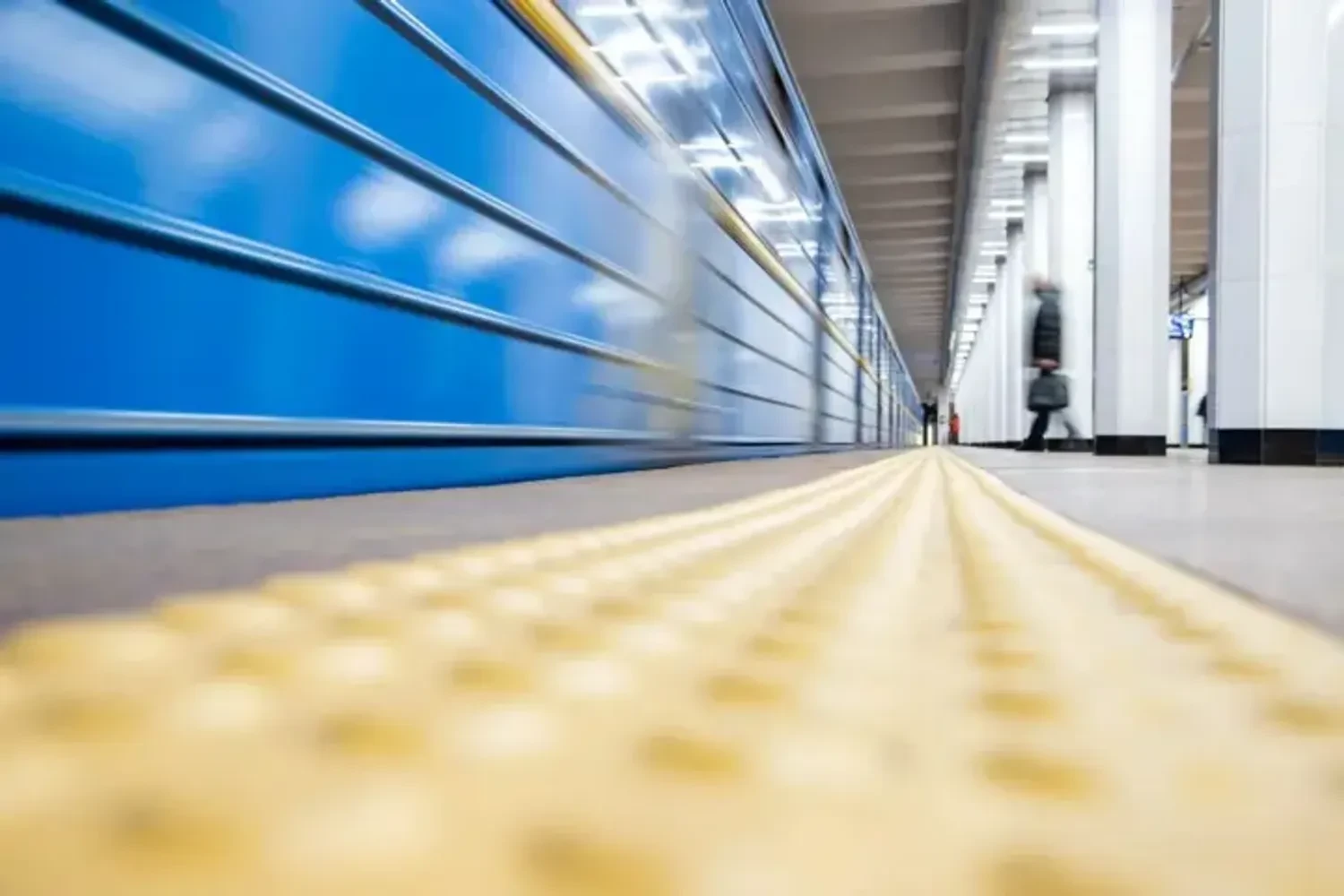
Kyiv Metro and the Kyiv City State Administration (KMDA) explained why wet spots appear at some stations during snowmelt or heavy precipitation: the groundwater level rises, and moisture seeps through in certain places. The information was reported by UNN, citing city authorities. The phenomenon is unpleasant, but for passengers it is more important to know whether it affects travel safety.
"All such spots are under constant monitoring by specialists. Leaks are eliminated as part of routine maintenance and scheduled repairs using modern materials and technologies"
— KMDA
Why this happens
Underground structures always interact with the surrounding ground. During thaws or intense rains the groundwater level rises — water finds weak points in waterproofing or passages in structures. For the metro this is a routine technical issue addressed through monitoring and scheduled repair work.
Is it safe to use the metro
According to the KMDA and the metro, the safety of train operations and passenger transportation is not compromised. Wet spots are mostly localized and are addressed as part of routine maintenance. This is an operational problem, not a critical accident.
What is being done at the stations now
At some stations, notably at 'Ippodrom', technical openings are temporarily opened in the suspended ceiling for ventilation and structural inspection — this is a planned control measure, not a sign of an emergency situation.
"Also at certain stations, notably 'Ippodrom', technical openings in the suspended ceiling may be temporarily opened — this is needed for ventilation and structural inspection"
— KMDA
Advice for passengers
Practical advice is simple: avoid standing near visible wet areas, follow staff instructions, and watch your clothing and belongings on escalators. We remind you of the recent incident at 'Vokzalna' station, when a passenger's trouser hem was pulled into an escalator — a telling example of why attentiveness is as important as technical control.
Brief conclusion: the situation is under the control of the services, and trains are currently running on schedule. Medium- and long-term resolution depends on systemic investments in waterproofing and infrastructure renewal — this is a matter not only of comfort but of urban resilience.