Kyiv to restore trams and trolleybuses to the Right Bank from Feb. 26 — what will change for passengers
After the stabilization of power-supply limits, Kyiv is gradually restoring electric transport on the right bank. This is not just a convenience — it is an indicator of the restoration of the city's rhythm and of logistical resilience amid strains on the energy infrastructure.

By Tetiana Suchkova-Ladik
February 25, 2026 · 2 min read
In brief
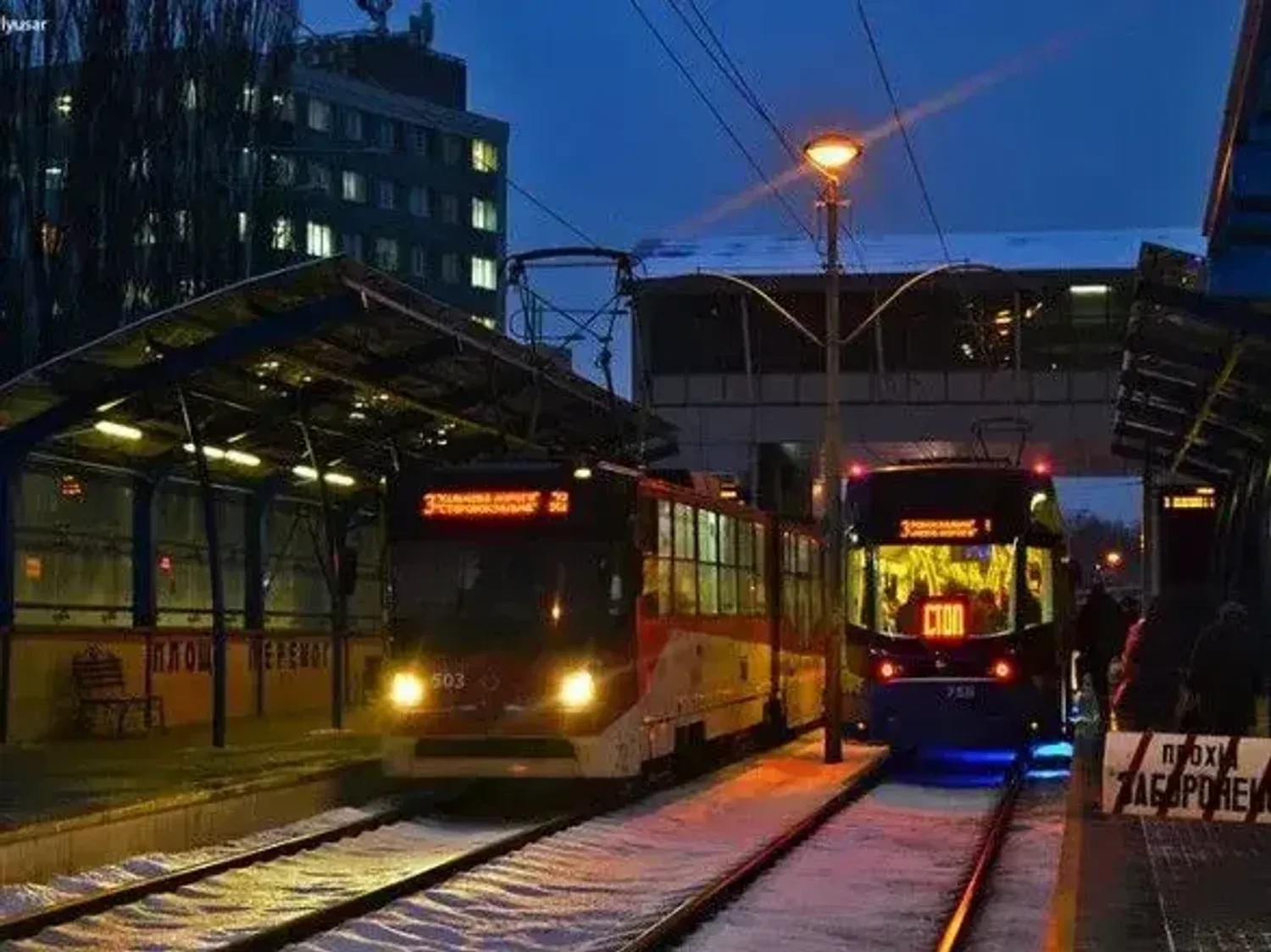
From February 26 Kyivpastrans will begin a phased resumption of electric transport on the right bank of the capital. UNN reports this with reference to the Kyiv City State Administration (KCSA). The reason is an improvement in the energy system and increased electricity supply limits, which made it technically possible to return trams and trolleybuses to routes.
Which routes are being resumed
Trolleybus services being resumed (partial list):
- No. 1, 3, 4, 5, 6, 7, 8, 9K, 11, 12, 14, 15, 16, 17, 18, 19, 22-K, 23, 24, 25, 26, 27, 28, 32, 33, 34, 35, 38, 39, 40, 40-K, 41, 42, 44, 45.
Tram services being resumed:
- No. 1, 2, 3, 11, 12, 14, 15, 16, 17, 18, 19.
Some bus routes that were temporarily not operating are also returning to service: No. 11-D, 35-K, 39, 75, 77, 79, 90-K, 120.
Why this matters
The resumption of routes is not just about comfort: it reduces pressure on private transport, restores access to workplaces, and strengthens the city's logistical resilience. For transport enterprises and their employees, it is a sign that the energy system can withstand the load under the current circumstances.
"The technical capability allows the resumption of electric transport on the right bank of the capital"
— Kyivpastrans / Kyiv City State Administration (KCSA)
Nuances and prospects
The return of services on the left bank and of routes that connect both banks will take place later — after further improvement in the energy situation and provided there are no new infrastructure damages. Some of the rolling stock freed up by this will be temporarily reallocated to strengthen bus routes on the left bank.
What this will mean going forward
If electricity supply limits remain stable, the city will be able to gradually resume more routes and increase the systemic utilization of public transport. This is a test for the energy system and urban logistics planning — and the speed at which the capital's full rhythm of life returns will depend on its success.