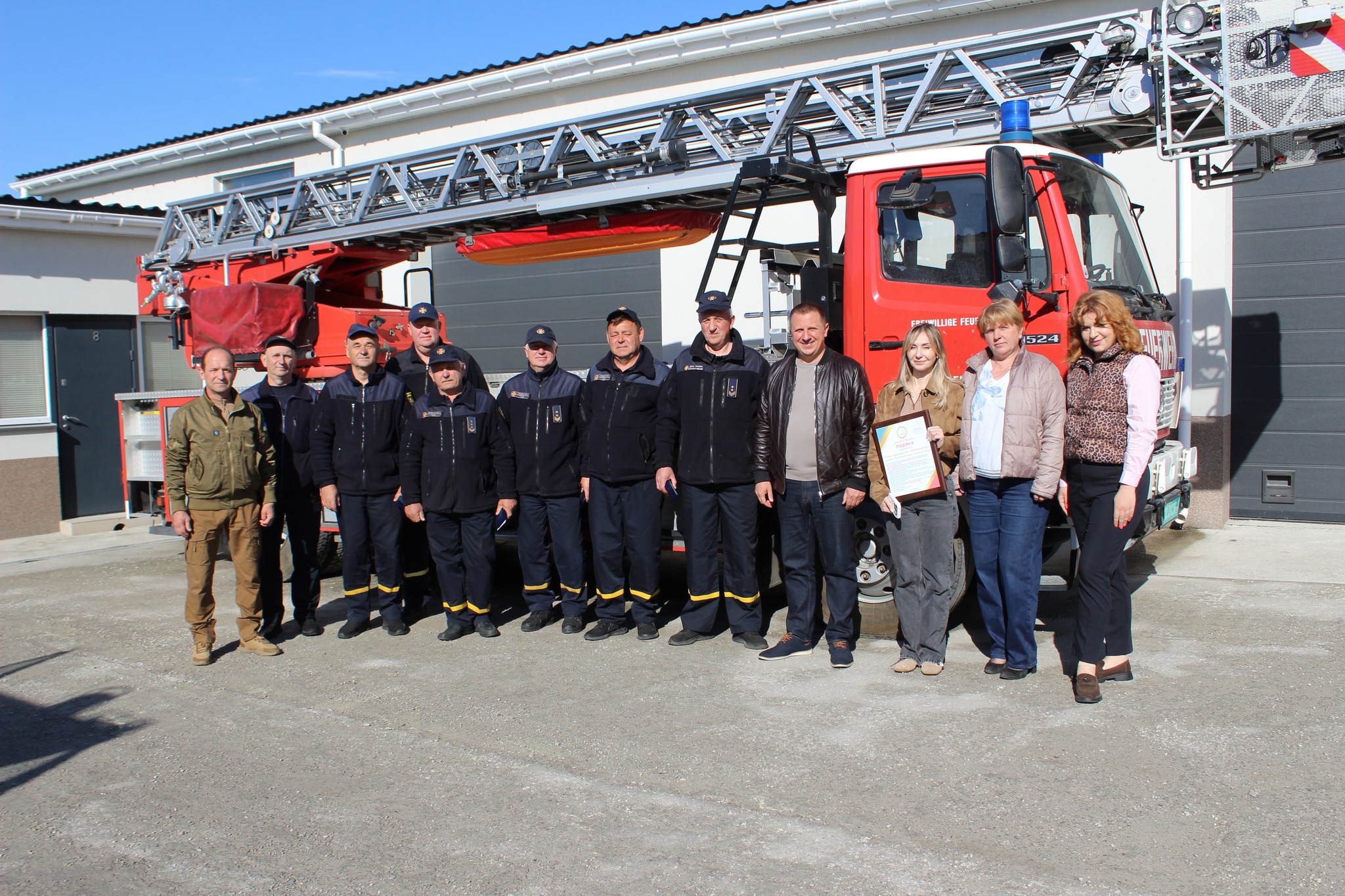
Healthy Future: Kyiv Region Expands Free Meal Program for Schoolchildren
The school meals reform initiated by First Lady Olena Zelenska is being scaled up. From September 1 of the next school year, the number of children receiving free hot lunches will be significantly expanded. Kyiv region, as a flagship of change, is already demonstrating results that are becoming an example for the entire country.
By Oleg Bazylewicz
December 17, 2025 · 1 min read
From Grades 1–4 to Full Coverage
Today in the Kyiv region more than 160,000 students receive free meals. Thanks to a state subsidy, all primary school pupils are provided with hot lunches (more than 70,000 children). Another 60,000 are children from priority categories, including internally displaced persons (IDPs) and those affected by the war, whose lunches are funded by local communities.
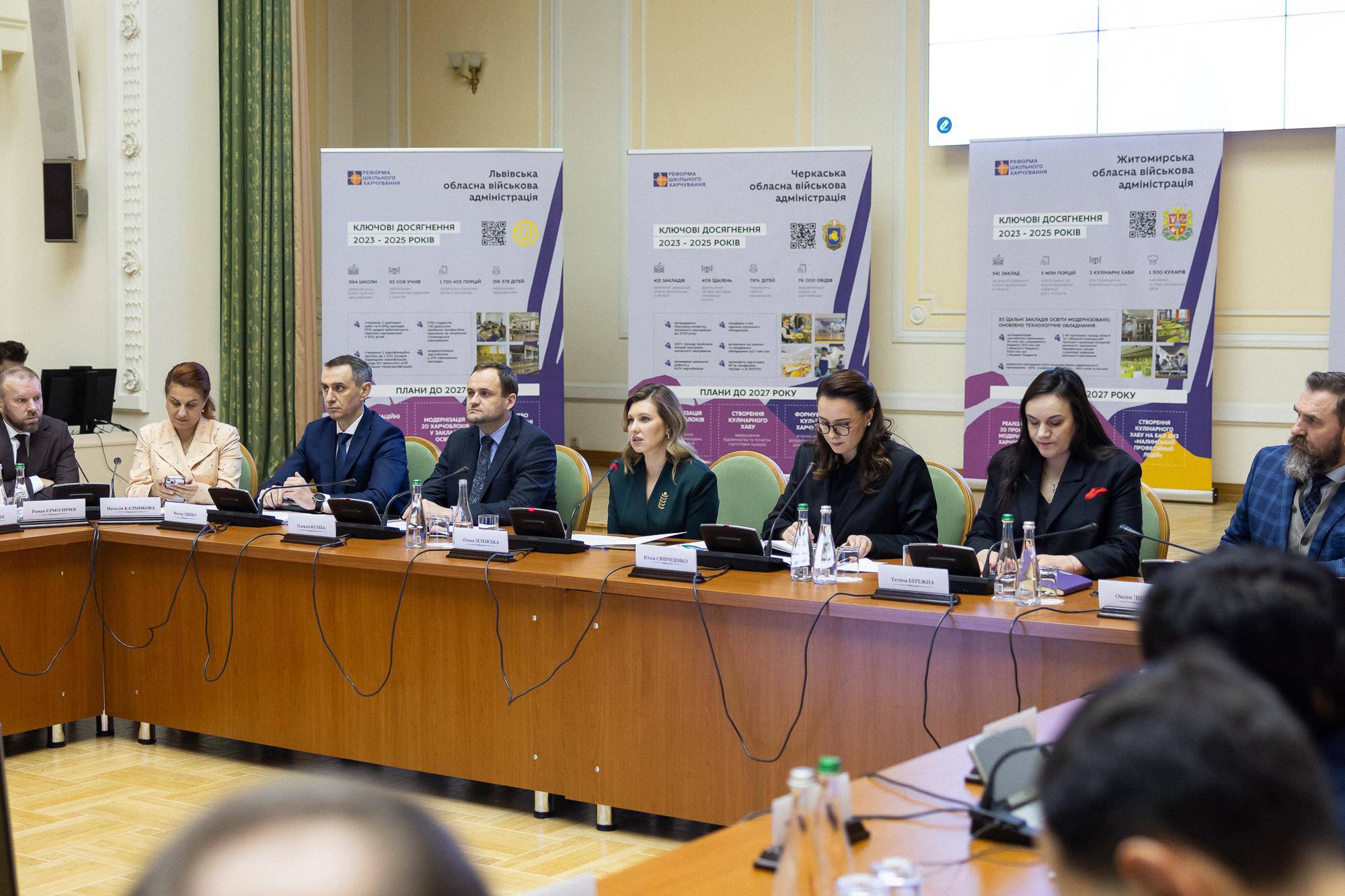
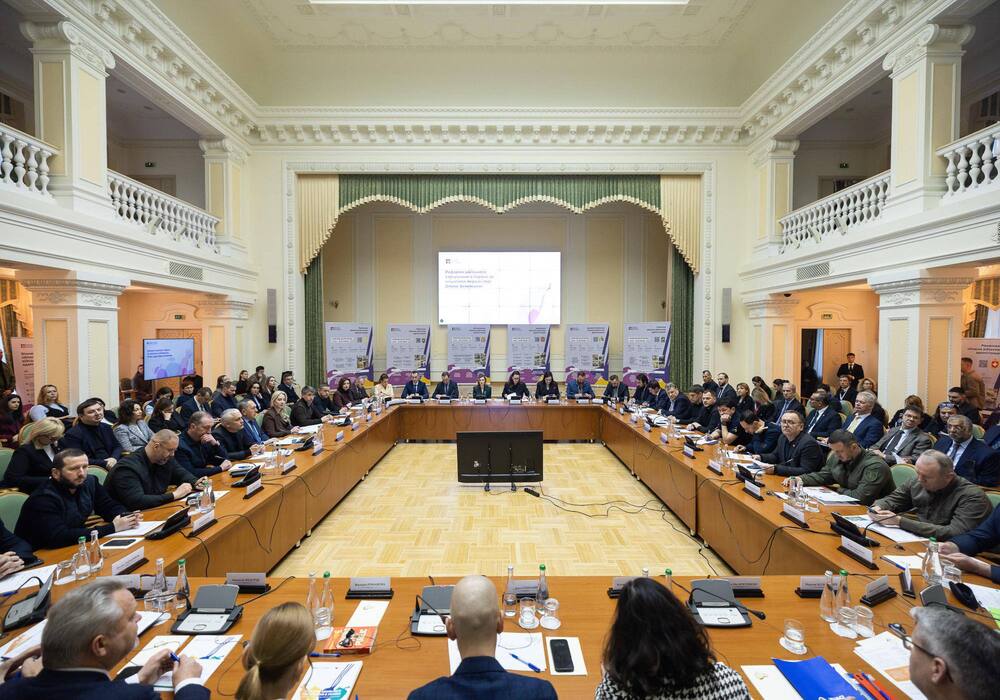
The next stage, discussed at an expanded meeting chaired by Yuliia Svyrydenko with the participation of Olena Zelenska, envisages even broader coverage. This is not just social assistance, but a strategy for the nation's survival and health in wartime.
Kitchens of the Future: Factory-Kitchens and Hubs
The Kyiv region has become a testing ground for unique innovations. In Bucha, the first factory-kitchen in Ukraine is already operating, preparing 7,500 portions daily. But this is only the beginning. Next up is the Vyshneve community, where an even more powerful facility will be built.
- Scale in Vyshneve: The new factory-kitchen will be able to produce up to 15,000 meals per shift.
- Safety: The facility will have a modern shelter, allowing it to operate without interruption.
- Professionalism: There are already three culinary hubs in the region where 2,800 cooks have been retrained according to the new HACCP standards.
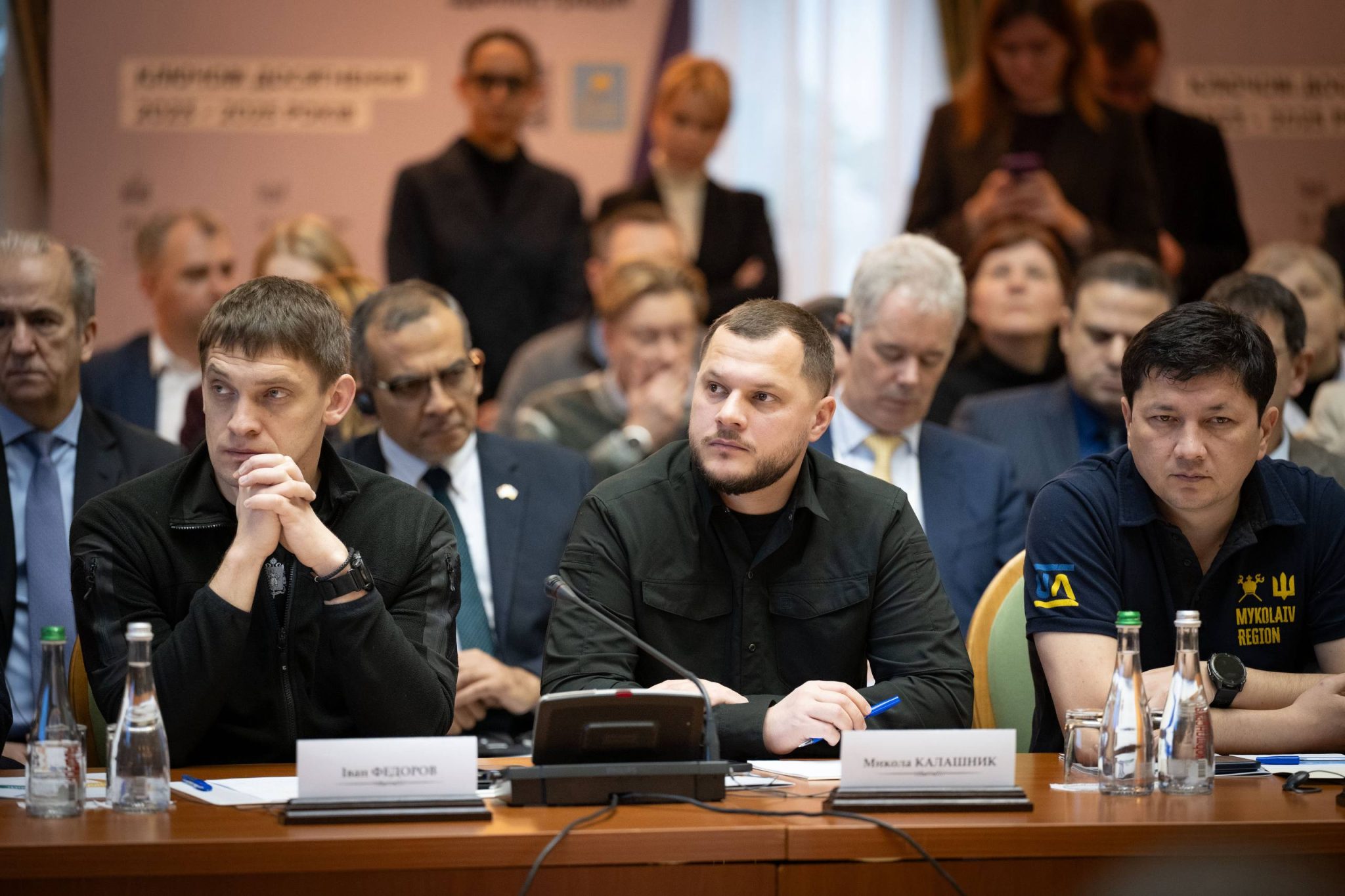
“The goal of the reform is not only to feed children but also to foster a culture of healthy eating from an early age. Every child, regardless of community, should have access to quality and safe food.”
— Mykola Kalashnyk, Head of the Kyiv Regional Military Administration
Context and Plans through 2027
The project is being implemented with the support of the United Nations World Food Programme and the active participation of territorial communities. By 2027, the region will modernize 14 anchor and 34 basic kitchens. The school meals reform is about a sense of stability and the state's care for children who are forced to study amid air-raid alerts.