26 unique museum objects added to the Register — strengthening state protection of cultural heritage
The Ministry of Culture on December 30, 2025 officially added 26 unique items to the State Register of National Cultural Heritage. We examine which artifacts have been granted a special legal status and why this matters for Ukraine’s security and identity.

By Tetiana Suchkova-Ladik
January 2, 2026 · 2 min read
What happened
On 30 December 2025 the Ministry of Culture of Ukraine issued Order No. 1123 and, on the recommendation of the Expert‑Fund Commission, entered 26 unique museum items from the state portion of the Museum Fund into the State Register of National Cultural Heritage. The information was released by the Ministry of Culture and conveyed to UNN.
Key items
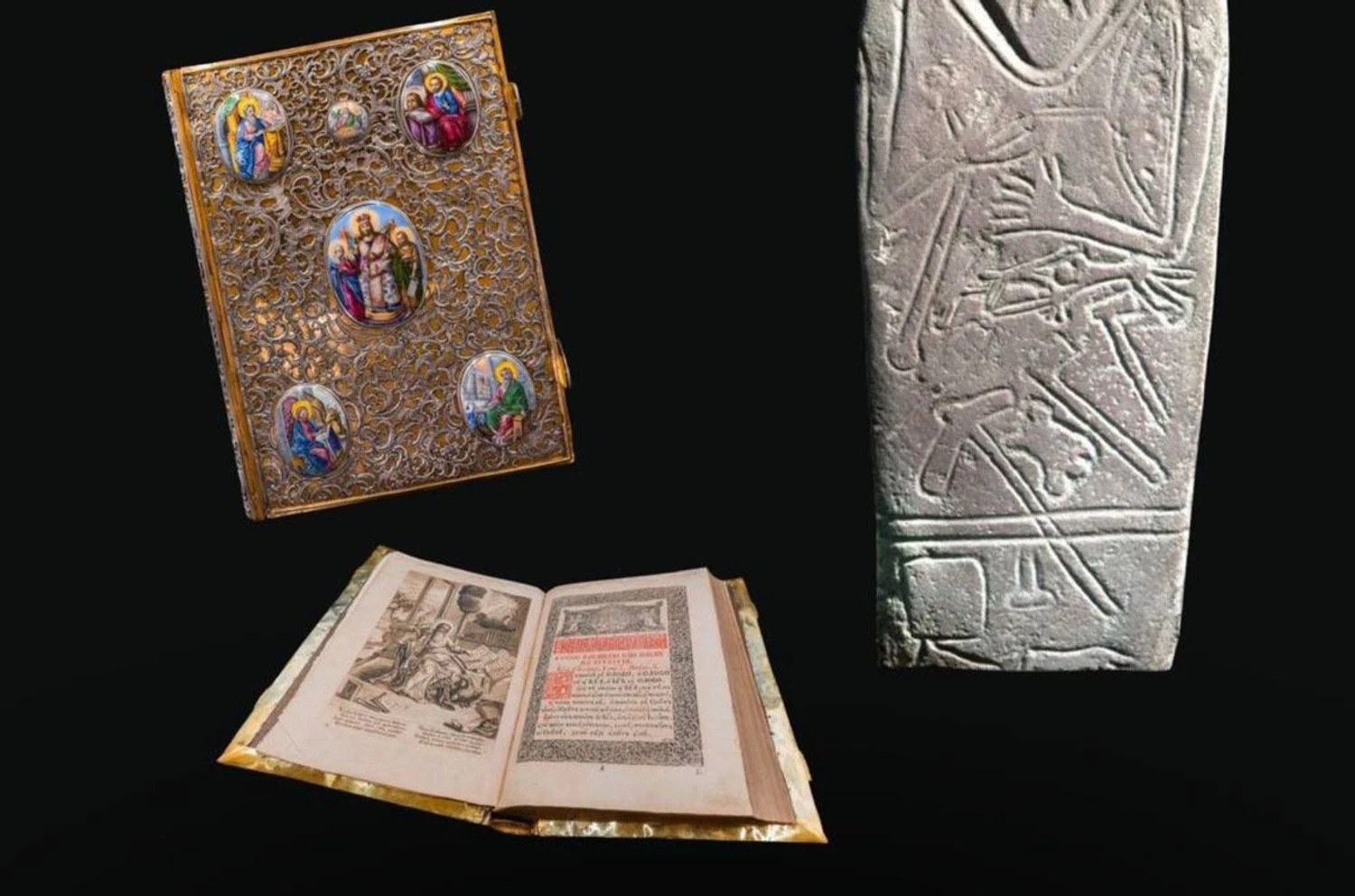
Among the reliquaries is an Altar Gospel from 1707, printed at the Lavra printing house at the behest of Hetman Ivan Mazepa, as well as the anthropomorphic stele the “Kernosiv Idol” from the II millennium BCE, a unique Bronze Age monument from the Northern Black Sea region.
The register also includes items from the collections of the National Reserve “Kyiv‑Pechersk Lavra” and museums in the Sumy, Dnipropetrovsk and Kharkiv regions. The National Museum of the History of Ukraine received a rare sword from the Kievan Rus period, found near Radomyshl (Zhytomyr region), dated to the second half of the 10th — the beginning of the 11th century; together with the sword the museum was transferred two more axes, finds of Viktor Moshchenko and his daughter Natalia.
Why this matters
Inclusion in the Register not only acknowledges an item's value — it grants a special state protection regime that complicates illegal circulation and strengthens the legal basis for restitution, scientific study and international requests for return. In the context of hybrid threats and active trade in cultural valuables, this is an important step in state policy to preserve heritage.
Museum-sector experts and archaeologists note that formalizing the status of artifacts in the Register increases the chances of securing funding for conservation and research, and also makes the items more accessible for official exhibitions and scholarly exchange with foreign institutions.
"The Register currently contains 264 unique monuments. Inclusion in the Register confirms the exceptional historical, scientific and artistic value of the items and guarantees their special state protection"
— Ministry of Culture of Ukraine
Consequences and questions
The fact of inscription is not the end of the work but the start of the practical phase: preservation, research and public communication. The state has marked these items as priorities, but now the question arises of resources for their conservation and secure storage.
To put this in a broader context: every officially recognized artifact is an element of the narrative about Ukrainian history and identity, which matters not only to specialists but also to citizens and international partners. Will there be enough state and international resources to preserve these objects and make them available to future generations?
The Ministry of Culture has promised to publish details of the full list of items and the procedure for further work with them in the documents accompanying the order.