Bad Bunny at the Super Bowl: 128.2 million viewers and breaking language barriers in global culture
The first fully Spanish-language halftime show drew hundreds of millions of views — what does this mean for music, platforms and countries that want to speak to the world in their own language, particularly for Ukraine.

By Tetiana Suchkova-Ladik
February 11, 2026 · 2 min read
What happened
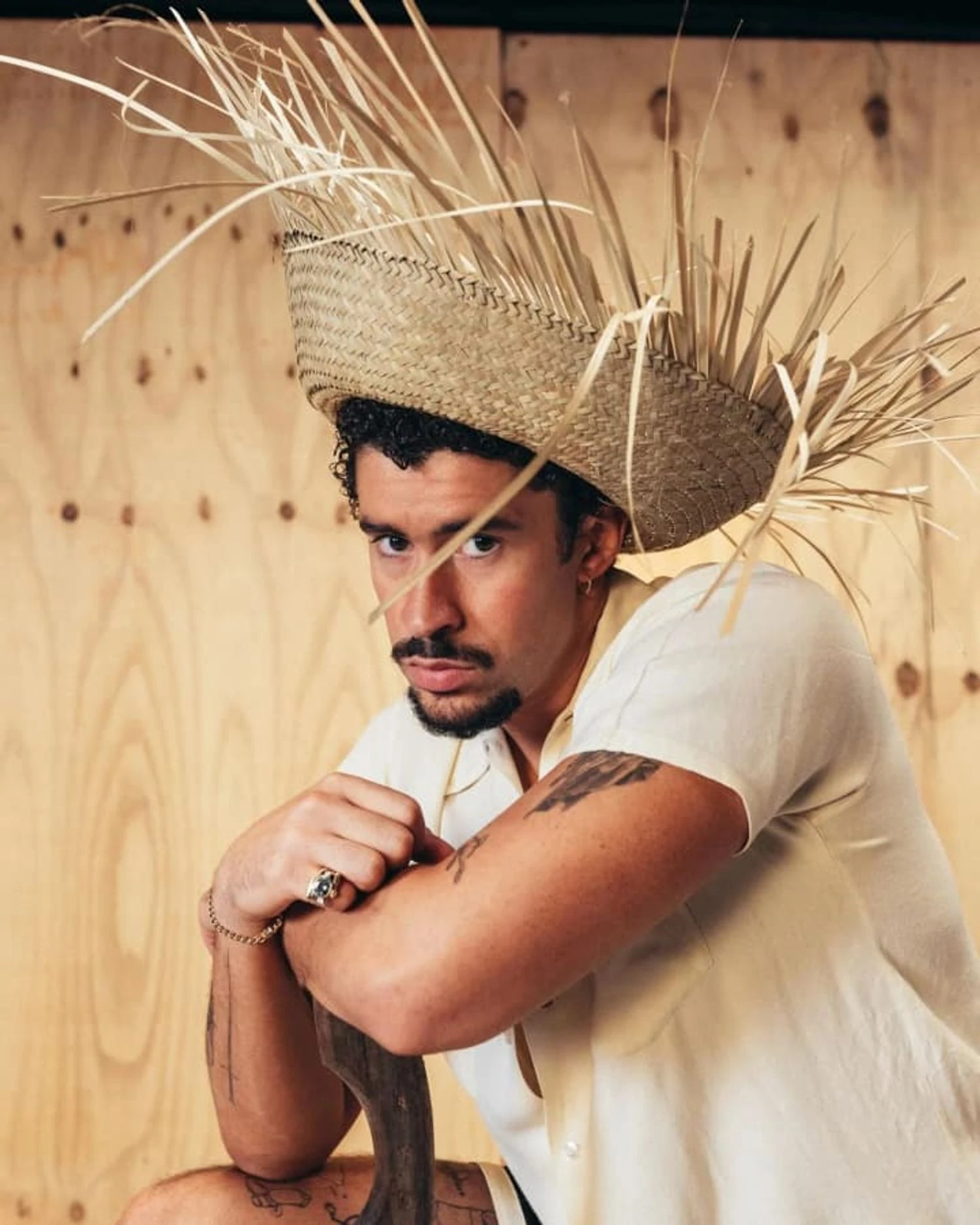
Bad Bunny became the first performer in Super Bowl history to stage a halftime show entirely in Spanish. According to Variety, citing Nielsen, the show's average television audience was 128.2 million viewers — higher than this year’s Super Bowl average rating (124.9 million), but below Kendrick Lamar’s record last year (133.5 million).
"Bad Bunny was the first performer to perform entirely in Spanish, and the broadcast attracted a massive audience and sparked a wave of views across the digital space."
— Variety / Nielsen data
Numbers and broader impact
Analytics show the show's impact goes far beyond the broadcast. According to Ripple Analytics, total views of halftime show clips (including artists' platforms, partners and influencers) reached about 4 billion views within 24 hours, up 137% from last year. Apple Music reports that Bad Bunny's music streams after the performance increased sevenfold, topping charts thanks to the tracks "DtMF", "BAILE INoLVIDABLE" and "Tití Me Preguntó".
"After the show, Bad Bunny's streaming numbers skyrocketed — a classic example of how one global event turns a cultural product into a mass trend."
— Apple Music / Ripple Analytics
Why it matters (and for Ukraine too)
This case demonstrates three important trends: first, language barriers on global platforms are becoming less critical; second, major broadcasts quickly convert into streams and sales; third, cultural weight is now measured not only by television primacy but by the ability to mobilize a digital audience. For Ukraine this is a signal: global attention is a resource that can be transformed into support for culture, reputation, and the creative sector's economy.
Bad Bunny additionally consolidated his industry standing — in November 2025 he won "Album of the Year" at the Latin Grammy Awards 2025 for the record Debí Tirar Más Fotos, underscoring the persistence of the effect after a major event.
Implications and outlook
Analysts note that such events change the rules of the game — platforms reward content that generates immediate interest from a global audience. That means investments in international showcases, translations, collaborations and social media promotion deliver long-term returns. For Ukraine the question is simple — how to leverage global platforms so our artists, language and cultural products achieve a similar multiplying effect?
In short: 128.2 million viewers and billions of digital views — not just records, but an example of how culture becomes a geopolitical resource. Whether Ukrainian cultural diplomacy will manage to use these mechanisms depends on the planning and speed of decisions by our partners and institutions.
"When language is the key to hearts, platforms provide the tools. The question is whether we can use them systematically."
— Media market analysts