Jennifer Lawrence — why she was passed over for the role of Sharon Tate and what it reveals about Hollywood's standards
An Oscar-winning actress revealed on a podcast that she was passed over for a role in a Quentin Tarantino film because she was allegedly "not beautiful enough." We examine what lies behind this and why the story matters not only to film fans.

By Oleg Bazylewicz
January 19, 2026 · 2 min read
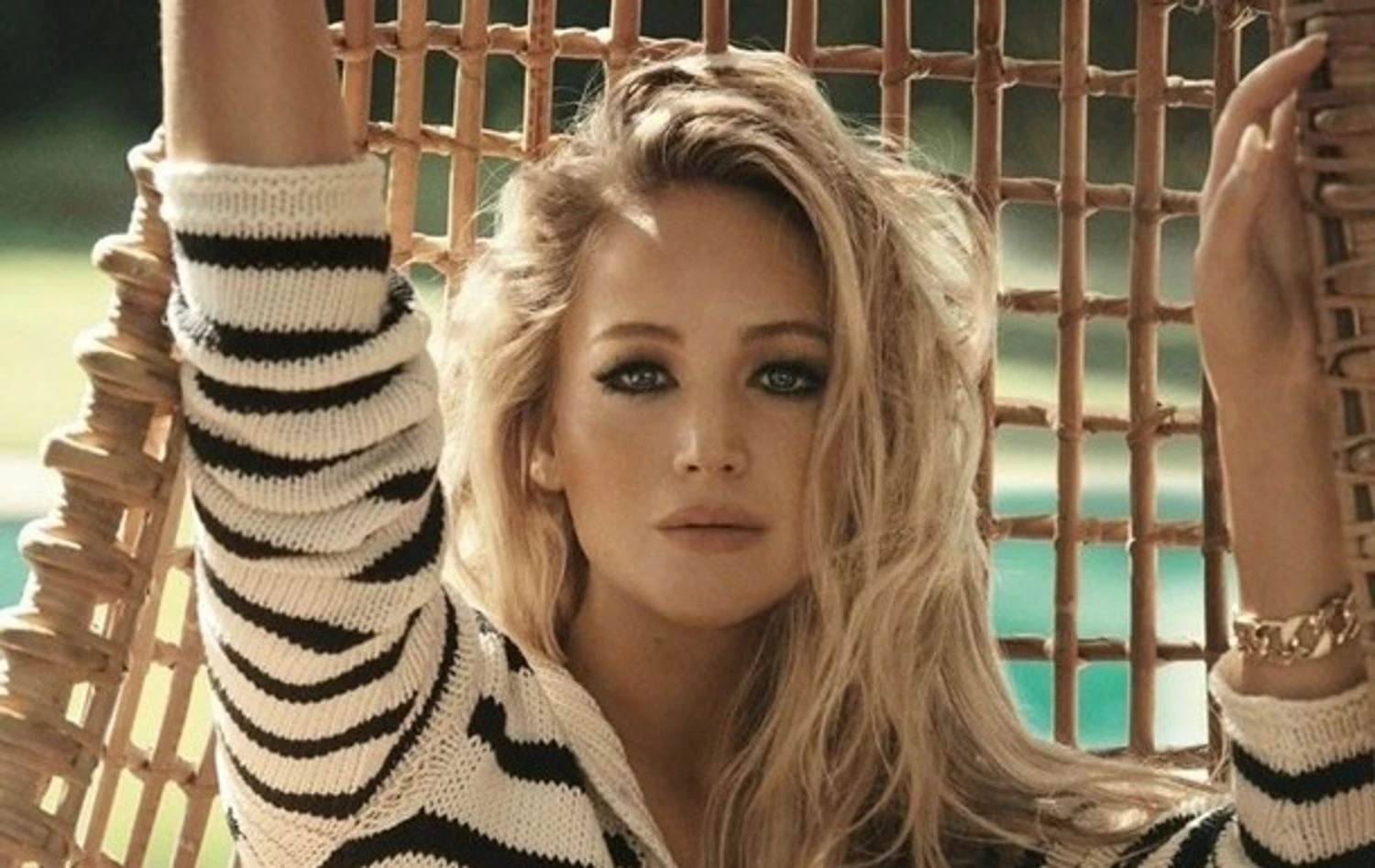
In the latest episode of the podcast Happy Sad Confused, Jennifer Lawrence spoke candidly about one episode of her career: she did not get the role of Sharon Tate in Quentin Tarantino's 2019 film. This was reported by UNN — and the actress herself confirmed the details of the conversation during the recording.
What happened
According to Lawrence, the director was inclined to consider her, but the "industry" supposedly decided otherwise. She described the situation like this:
"He wanted to take me, and then everyone said: she's not pretty enough to play Sharon Tate, and that was the end of it"
— Jennifer Lawrence, actress, podcast Happy Sad Confused
As a result, the role went to Margot Robbie. Tarantino previously confirmed that Lawrence had come to him to read the script; the director himself imagined her in the role of Squeaky Fromme, which was played by Dakota Fanning. Lawrence also jokingly recalled that she failed the casting for one of the leading roles in the Twilight saga for the same, as she put it, reason — regarding her appearance.
Context: why this is not just an "individual slight"
Casting for major projects is often decided by more than talent: physical resemblance to a historical figure, marketing calculations, producers' expectations, and audience reaction all play a part. In the case of Sharon Tate, artistic fit was not the only consideration; the image that would support the film's promotional campaign was also important.
Film analysts point out that such decisions systematically filter actresses according to beauty standards that change more slowly than artistic approaches themselves. This explains why even a well-known and successful actress can end up excluded from a particular role.
What this means for the audience and for the industry
Lawrence's story has two dimensions. First, it's an example of how industry mechanisms work — not always transparent and not always related solely to talent. Second, it's a reminder of the social effect: discussing such cases pushes public debate about representation, beauty standards, and professional criteria in cinema.
For the Ukrainian reader this is also a signal: cultural standards are formed systemically, and they change not only through isolated statements but through practice — who is chosen, who is promoted, who is backed in major projects. Talent is often not enough without support from new rules of the game.
Consequence? The conversation about beauty, representation, and professional criteria in cinema continues — and it matters not only for the stars but also for the audience that shapes demand for new stories and new standards.
While the industry adjusts its approaches, Jennifer Lawrence remains one of the most in-demand actresses of her generation, and the Tarantino case is another reason to talk about systemic casting practices.